







Jetour T2 earns five stars from ASEAN NCAP
Published Jan 27, 2026 06:39 pm


At A Glance
- The Jetour T2 achieved a five-star result with an overall score of 86.50 points in its first ASEAN NCAP assessment.
- Testing was conducted under the outgoing 2021–2025 protocol, covering adult, child, safety assist, and motorcyclist protection.
- Standard safety equipment across all variants includes six airbags, ESC, ABS, and multiple occupant detection systems.
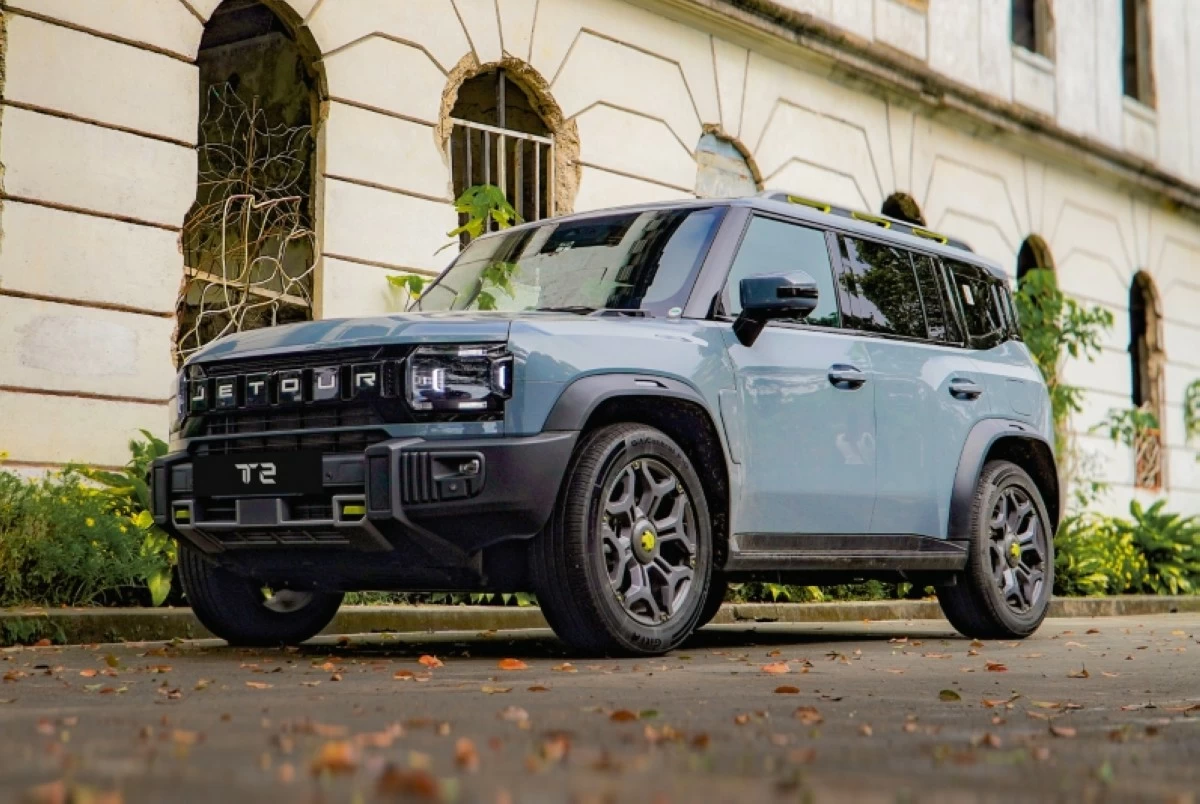
The Jetour T2 has earned a five-star rating in its first assessment under the ASEAN New Car Assessment Program, concluding the 2025 testing calendar conducted under the outgoing 2021–2025 evaluation protocol. The result places the rugged midsize SUV among the higher-scoring vehicles assessed in the final year of the current roadmap, ahead of the transition to a revised protocol in 2026.
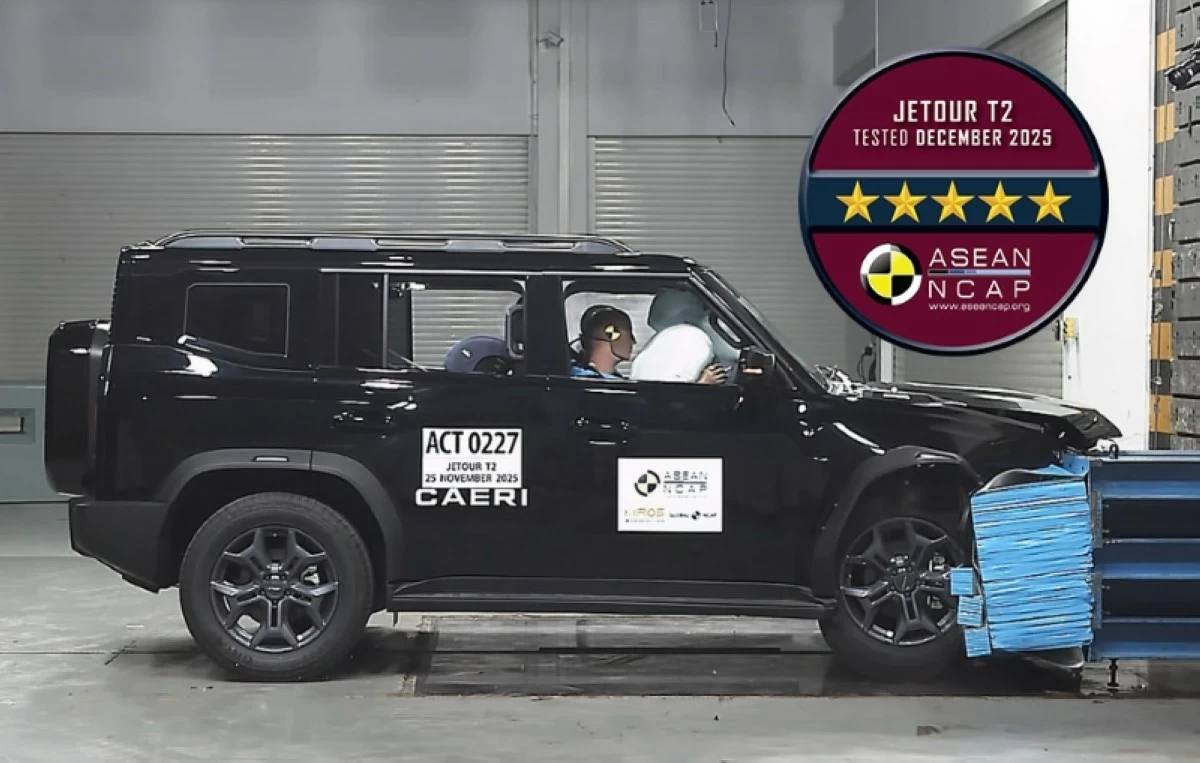
The Jetour T2 recorded an overall score of 86.50 points based on performance across four assessment pillars. Adult Occupant Protection accounted for 37.17 points, while Child Occupant Protection contributed 15.94 points. The model also scored 17.14 points in the Safety Assist category and 16.25 points for Motorcyclist Safety. Under the 2021–2025 protocol, Adult Occupant Protection carried a maximum of 40 points, while the remaining three categories were each weighted at 20 points.
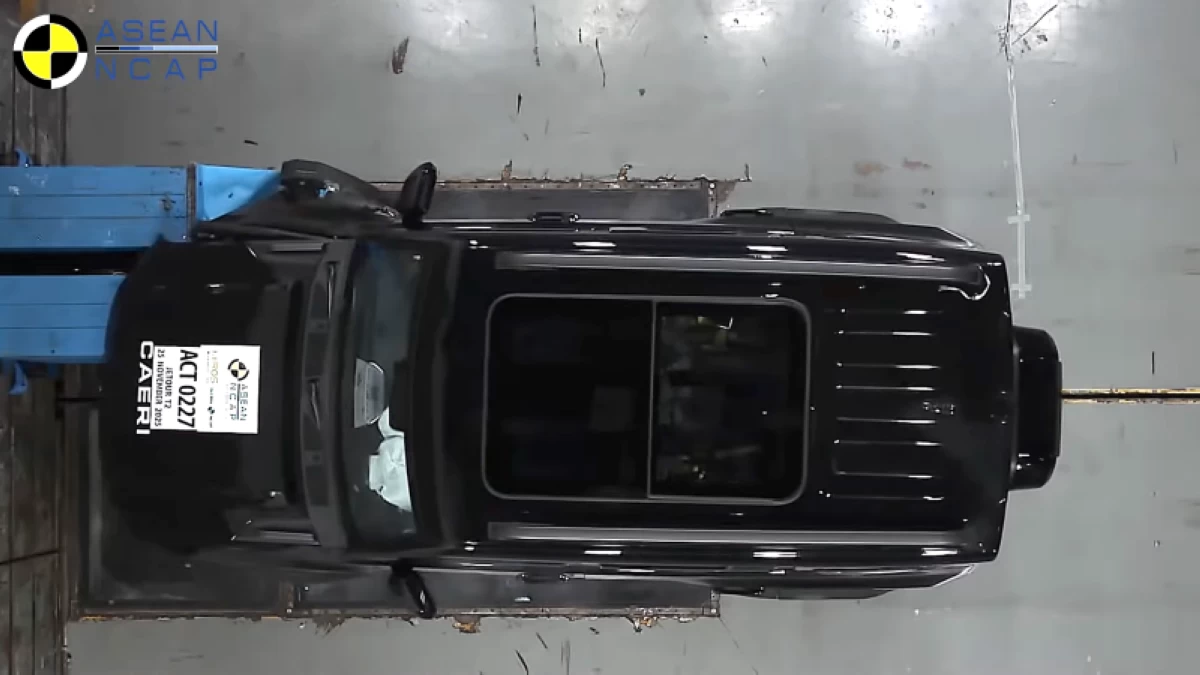
Testing was conducted during the final weeks of December 2025, a period that saw several vehicles evaluated ahead of the formal conclusion of the current ASEAN NCAP roadmap. The past year reflected a growing mix of body styles and powertrains entering the program, with the Jetour T2 representing the off-road oriented SUV segment.
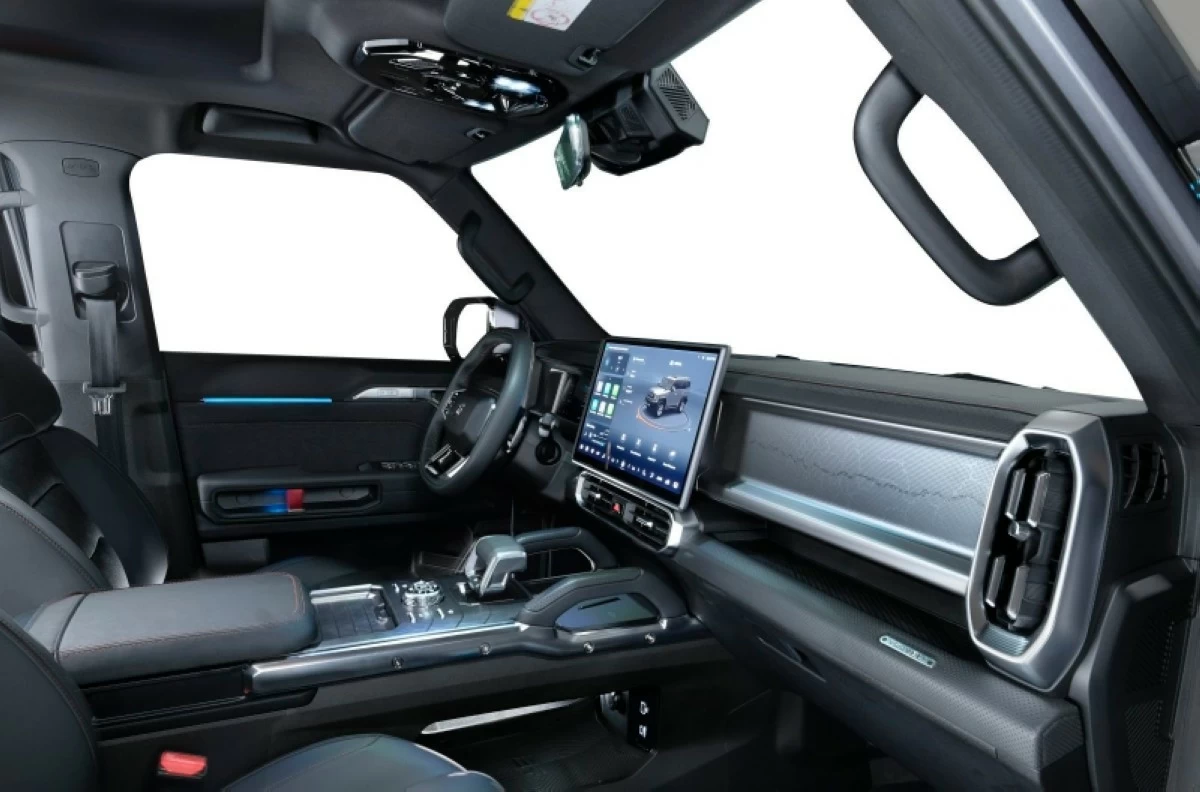
In terms of standard equipment, the Jetour T2 is fitted with six airbags, Electronic Stability Control, Anti-lock Braking System, and a comprehensive seatbelt reminder system covering front and rear occupants. The SUV also features rear seat occupant detection, child presence detection, pedestrian protection measures, and ISOFIX anchor points for child seats across all variants. Blind Spot Detection is included for both sides of the vehicle, aligning with the program’s increasing emphasis on technologies aimed at reducing collisions involving vulnerable road users, particularly motorcyclists.
Additional driver assistance systems are available depending on specification. These include Autonomous Emergency Braking for city and inter-urban scenarios, AEB with pedestrian and motorcycle detection, Forward Collision Warning, Lane Keep Assist, Lane Departure Warning, and Auto High Beam. The assessment framework places growing importance on the role of such systems in mitigating crashes in mixed traffic environments common across Southeast Asia.
The ASEAN NCAP program is led by the Malaysian Institute of Road Safety Research in collaboration with Global NCAP. As the program approaches the introduction of the 2026–2030 protocol, further refinements in testing criteria are expected, particularly in areas related to advanced driver assistance performance and motorcyclist detection.
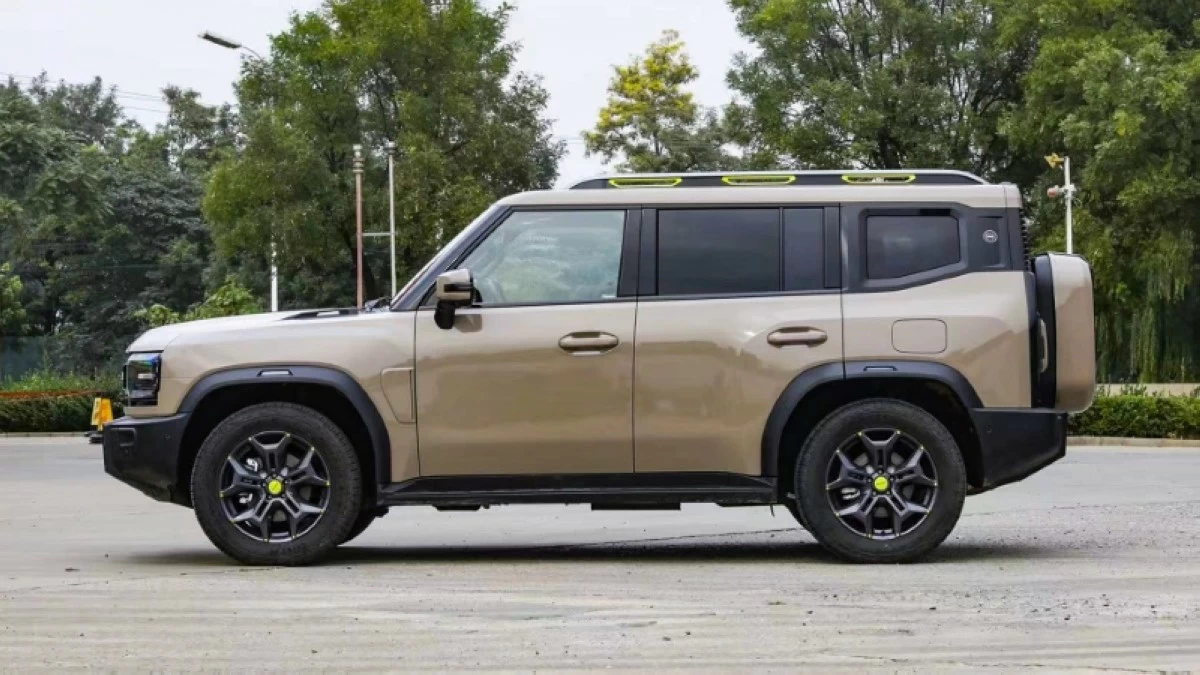
Jetour Auto Philippines said the five-star result underscores the brand’s focus on safety alongside the T2’s adventure-oriented positioning. The company noted that the model was developed to balance off-road capability with occupant protection for everyday use, including family travel.
The 2021–2025 ASEAN NCAP protocol placed particular emphasis on adult and child occupant protection, while introducing expanded criteria for safety assist technologies and motorcyclist safety. These changes were designed to better reflect real-world road conditions in the region, where motorcycles account for a significant share of traffic and road casualties.
Assessment under the new 2026–2030 ASEAN NCAP protocol is scheduled to begin in January 2026. Future ratings will continue to use a single star-based system derived from cumulative scores across the four main pillars, with updated technical requirements expected to raise baseline safety standards for vehicles sold in Southeast Asia.