







BIR reassigns 50 district chiefs ahead of new audit rollout
By Jun Ramirez
Published Jan 27, 2026 04:00 pm


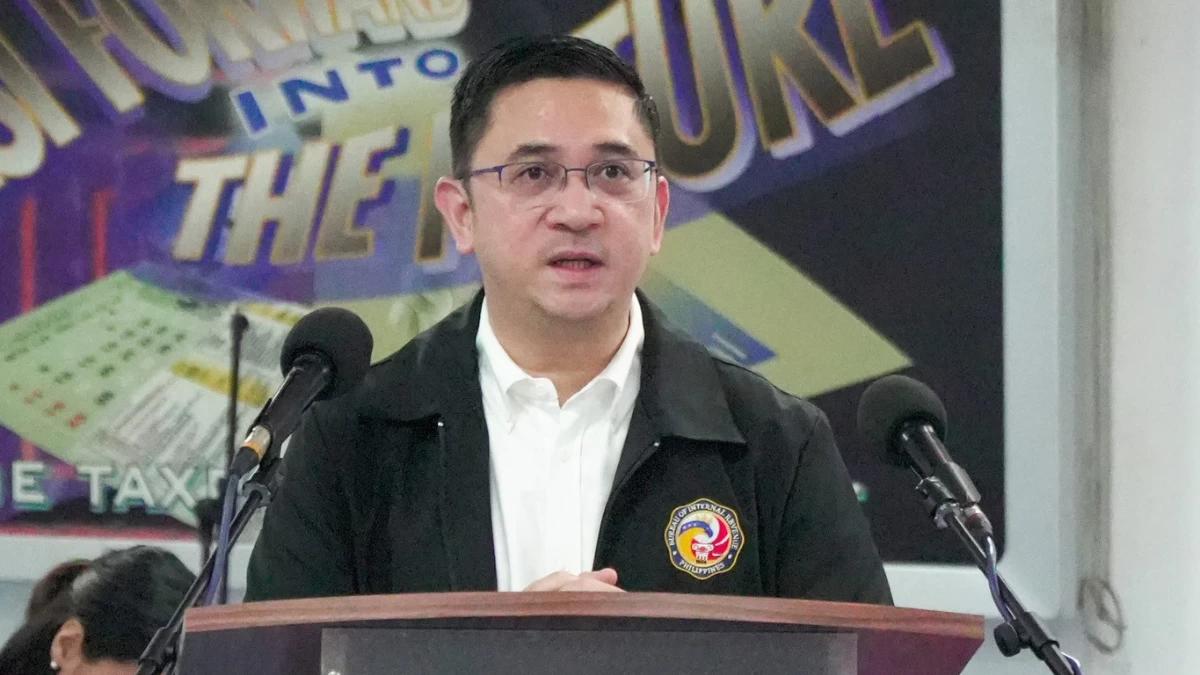
BIR Commissioner Charlito Martin R. Mendoza
The Bureau of Internal Revenue (BIR) is reshuffling its top field leadership as it prepares to lift a moratorium on tax investigations under a new, digitalized framework designed to limit human discretion and combat corruption.
BIR Commissioner Charlito Martin R. Mendoza issued travel and reassignment orders for more than 50 key officials, according to documents seen by Manila Bulletin. The move serves as a precursor to the resumption of Letters of Authority (LOAs), which provide the legal mandate for revenue officers to audit a taxpayer’s books.
The reorganization targets Revenue District Officers in Metro Manila and key provincial hubs. Among the high-profile shifts, Rommel T. Tolentino moves from San Juan City to North Quezon City, while Gerardo C. Utanes transitions from West Laguna to the prestigious East Makati district.
Other reassignments include Eliseo Raul G. Bacalzo’s move from West Cavite to Mandaluyong City and Simplicio V. Cabantac Jr.’s transfer from Masbate to Parañaque City.
Several other Luzon-based RDOs were reassigned to the Large Taxpayers Service at the national office, a division that monitors the country’s biggest corporations.
Mendoza is framing the personnel changes as part of broader overhaul of the agency’s audit culture.
The BIR chief said the incoming framework will be fully digitalized, a move intended to curb arbitrary assessments and potential extortion by reducing the face-to-face discretion of examiners.
Under the new protocols, the assessment process will be subject to video monitoring, and examiners will face regular validation—an “audit of the auditors”—to prevent taxpayer harassment.
In a departure from previous years, the BIR will prohibit multiple, overlapping audits. Each taxpayer will be issued only a single LOA, replacing the legacy practice where separate investigations were conducted for income tax, value-added tax, and other business taxes. This consolidation is expected to streamline compliance and reduce the administrative burden on the private sector.
People familiar with the matter said further reassignments of regional and district officials are expected in the coming weeks. These shifts are timed to coincide with the completion of a revamped audit system that insiders have characterized as “taxpayer-friendly.”
The bureau is betting that by pairing fresh leadership with tech-driven safeguards, it can increase the transparency of collections as the government seeks to bolster revenue.