







Why wellness is finally learning to listen
What does your body know?
Published Jan 26, 2026 11:32 pm


At A Glance
- The goal isn't to look 25 forever—it's to feel vital and capable at 65, 75, and beyond.
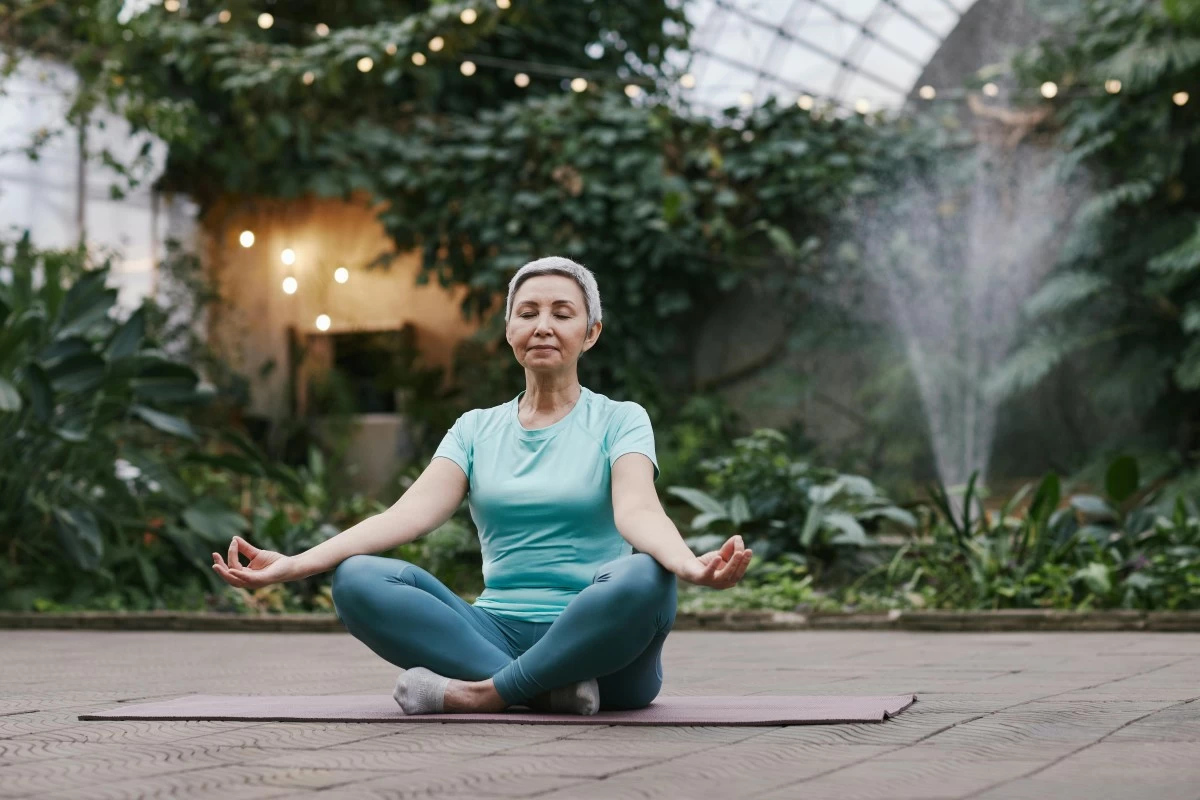
After years of patients asking me about the latest biohack or the most aggressive anti-aging protocol, the conversation has changed. Now, they want to know how to feel better—not just look it. And if there’s one thing I’ve learned, it’s this: The body is smarter than we give it credit for. And finally, the wellness world is catching on.
The end of the grind
For the past decade, we’ve been obsessed with optimization. Track your steps. Count your macros. Wake up at 4 a.m. to earn bragging rights. But here’s what happened—people got exhausted. They followed every rule and still felt depleted.
What’s emerging now is something my colleagues are calling “rhythmic health,” and honestly, it’s wisdom our grandmothers already knew. Instead of fighting the body’s natural rhythms, we’re learning to work with them. That means honoring your circadian clock, respecting hormonal fluctuations, and—revolutionary concept here—resting when you’re tired.
For women especially, this is long overdue. The idea of “cycle syncing,” adjusting your workouts and nutrition according to where you are in your menstrual cycle, has exploded on social media. While the science is still catching up, the instinct is sound: female physiology isn’t a problem to overcome. It’s a pattern to understand.
Technology that helps
Now, I’m not saying we should abandon all the innovations. What excites me is how technology is becoming more intuitive, more seamlessly integrated into daily life.
Take transdermal patches, for instance. These aren’t your grandmother’s nicotine patches. We’re talking B12 for energy, ashwagandha for stress, even UV-sensing stickers that change color when it’s time to reapply sunscreen. For busy Filipinos juggling work, family, and traffic, anything that simplifies wellness without adding another task to the to-do list is worth exploring.
Wearables have also matured. The new generation of smart rings and continuous glucose monitors don’t just collect data—they’re starting to interpret it. Imagine an app that notices your stress hormones spike every Tuesday afternoon and suggests a five-minute breathing exercise. We’re not far from that reality.
Longevity is the new anti-aging
Here’s a shift I welcome wholeheartedly: People are moving beyond wrinkle creams and toward metabolic health. The goal isn’t to look 25 forever—it’s to feel vital and capable at 65, 75, and beyond.
This means strength training is finally getting the respect it deserves. In my clinic, I tell patients that muscle isn’t just about aesthetics. It’s metabolic armor. It helps regulate blood sugar, supports bone density, and keeps you independent as you age. Pilates and functional movement have similar benefits—they’re not “light” exercise but foundational work for a body that lasts.
The longevity conversation also includes mental fitness. Meditation, breathwork, even sound healing—these aren’t fringe anymore. They’re recognized tools for nervous system regulation. When I recommend a weekly sound bath to a stressed-out executive, I’m not being woo-woo. I’m prescribing what the science increasingly supports.
The return to simplicity
Perhaps what I find most beautiful about this moment is the return to basics. Cold showers, morning sunlight, eating more fiber (yes, fiber is having a moment—who would have thought?), walking in nature… These aren’t expensive protocols or exclusive memberships. They’re accessible to almost anyone.
That said, community matters too. Wellness travel is booming across Southeast Asia, with destinations like Thailand and Bali offering retreats that combine ancient healing traditions with modern amenities. Closer to home, group classes—whether yoga, Pilates, or meditation—are filling up because people crave connection alongside self-care.
A new definition of wellness
What strikes me most is that we’re finally defining wellness more honestly. It’s not about perfection or punishment. It’s not about looking a certain way or hitting arbitrary metrics. True wellness is sustainable. It adapts. It breathes with your life rather than demanding you hold your breath.