







Vaccines and their unexpected benefits
Why it's important to get vaccinated
Published Jan 26, 2026 11:11 pm


At A Glance
- Despite disinformation and baseless attacks, long-term safety studies are showing that not only are vaccines safe and effective, but some of these vaccines also make us healthier in unexpected ways.
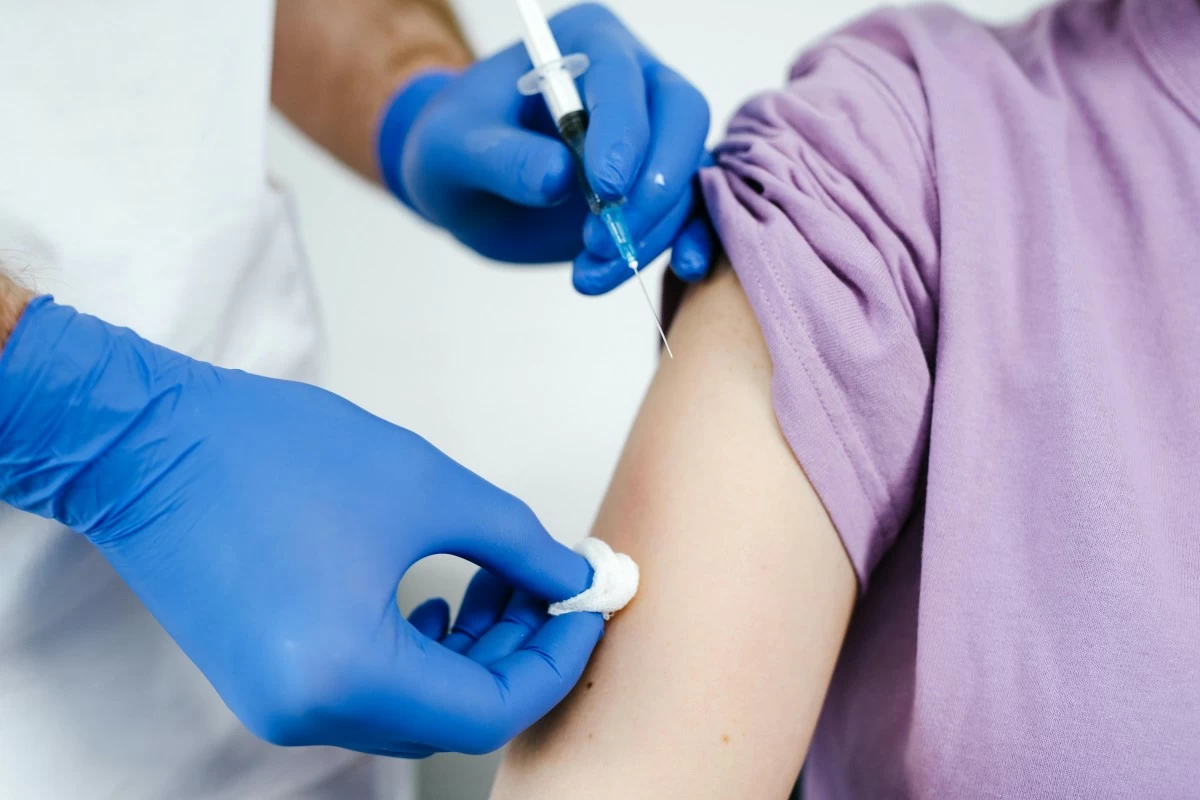
Vaccines save millions of lives every year by preventing life-threatening illnesses such as measles, polio, and influenza. The Covid-19 vaccine is estimated to have saved nearly 20 million people in the first year of its administration. It significantly shortened the time it took to achieve herd immunity from natural infection and did so in a much safer manner than natural infection, allowing us to exit the pandemic quickly and efficiently. The flu vaccine continues to prevent millions of hospitalizations and deaths every year. New vaccines, such as the RSV (respiratory syncytial virus) vaccine, have demonstrated unprecedented safety and efficacy against silent killers, which we are only beginning to properly diagnose and appreciate. Despite continuous attacks from antivaccine groups who peddle pseudoscientific nonsense, vaccines continue to be recommended by all the reputable scientific societies and medical bodies worldwide.
Vaccines work in the most natural way by harnessing the body’s immune system and training it to respond to an otherwise potentially deadly illness. In contrast to chemoprophylaxis, which uses drugs that stay in the bloodstream, vaccines use weakened or dead pathogens or parts of the pathogen to enable the body to recognize a specific virus or bacteria. This allows the body to quickly attenuate or mitigate the pathogen’s ability to cause disease when an infection occurs. With new advances in vaccine science, such as mRNA and adjuvant technology, vaccines are more immunogenic but safer than ever. Contrary to rampant misinformation floating around, each new vaccine undergoes a rigorous safety evaluation after it is approved. In addition to preventing and mitigating infection, scientists have made some interesting observations during the long-term safety follow-up for different types of vaccines. Novel beneficial effects have been observed with the shingles vaccine and the Covid-19 mRNA vaccines, which may be worth pursuing.
Unexpected beneficial effects of vaccines aren’t new. Historically, one vaccine that has been used for purposes other than vaccination is the original tuberculosis vaccine. This is made up of a weakened form of Mycobacterium tuberculosis called Bacillus Calmette-Guerin or BCG. BCG is given to infants to prevent severe tuberculosis, such as TB meningitis. BCG has also been repurposed as an immunotherapy agent in the treatment of early-stage urinary bladder cancer. Following resection of the tumor inside the bladder, a liquid containing BCG is instilled into the bladder periodically with a catheter, where it stimulates the immune system to attack cancer cells. The use of BCG significantly decreases the risk of recurrence of cancer, making it a valuable tool for treatment without the usual toxic side effects of chemotherapy. There is a small risk of BCG causing an infection similar to tuberculosis, but this is very rare and can be treated with the usual tuberculosis medication.
Shingles or herpes zoster is a condition where the chicken pox virus (varicella) reactivates and causes a chicken pox-like rash in a localized area of the body. When someone is first infected with chicken pox, the varicella virus infects the nerves near the spinal cord and becomes dormant. As we get older or when there are conditions that adversely affect the immune system, like chemotherapy or severe illness, the varicella virus can reactivate and cause shingles. One of the worst side effects of shingles is a condition known as post-herpetic neuralgia. As a result of the inflammation, the nerve is short-circuited, and even light touch in the area of the skin that is affected can cause pain. This can persist for months to years and is quite debilitating.
In 2006, a shingles vaccine consisting of live attenuated varicella was rolled out. While it wasn’t very effective at preventing shingles, it significantly decreased the risk of postherpetic neuralgia, and so it was extensively used until it was replaced by a more efficacious vaccine in 2017. I gave my parents the old shingles vaccine because I did not want them to have post-herpetic neuralgia or other complications. The new shingles vaccine is a combination of the most abundant surface protein of the varicella virus plus an adjuvant designed to boost the immune response. The current shingles vaccine is highly effective, and the protection lasts over 10 years.
Earlier last year, some researchers decided to compare the risk of dementia in people who were eligible for the old shingles vaccine to those who were not but were close enough in age to compare. This was because there is an increasing body of evidence implicating herpes viruses, including varicella, with dementia. The scientists were surprised to find that those who were eligible for the old zoster vaccine were 20 percent less likely to develop dementia compared to those who were not eligible for the vaccine. This was initially observed in Wales, and a similar study conducted in Australia found the same association. More recent studies with the new shingles vaccine seem to show similar trends of benefit, along with lowered risks of blood clots, heart attack, stroke, and death. Shingles and the varicella virus cause a lot of inflammation, which has been linked to many disease processes, and it makes sense that strengthening the body’s immunity against varicella with a vaccine will have beneficial effects.