







Scaling microinsurance in a climate emergency
Published Jan 26, 2026 12:05 am
|
Updated Jan 25, 2026 04:28 pm


FROM THE MARGINS
As climate-related disasters grow more frequent and destructive, the question facing the Philippines is no longer whether communities will be affected, but how quickly families can recover when they happen. For millions of low-income Filipinos living on the frontlines of climate risk, microinsurance is emerging as a critical — often life-changing — tool for resilience.
This reality framed the National Microinsurance Forum held last Jan. 20, at the Le Pavillon Event Hall in Pasay City. Convened in celebration of National Microinsurance Month, the Forum was organized by the Microinsurance MBA Association of the Philippines, Inc. (MiMAP), also known as RIMANSI, in partnership with the Insurance Commission (IC) and key stakeholders in the microinsurance ecosystem. More than 500 participants from across the country attended, including leaders and staff of microinsurance mutual benefit associations (Mi-MBAs), member-clients, microfinance institutions, cooperatives, insurers, government agencies, and development practitioners.
MiMAP serves as the national resource center and umbrella association of 20 Mi-MBAs nationwide. Collectively, its members represent 9.52 million individuals and provide insurance protection to about 30 million lives. Through ongoing capacity-building programs in governance, management, finance, and operations, MiMAP supports boards and management teams in strengthening institutions that serve some of the country’s most vulnerable communities.
The Forum took place at a critical moment. The Philippines continues to rank among the world’s most climate-vulnerable countries, experiencing increasingly severe typhoons, floods, droughts, earthquakes, and health-related shocks. These disasters disproportionately affect low-income households, many of whom lack savings or formal safety nets. For them, a single crisis can erase years of progress and force painful coping strategies such as selling productive assets or taking on high-interest debt.
Against this backdrop, the Forum carried the theme, “Bayanihan for Resilience: Scaling Microinsurance in a Climate Emergency.” The theme highlighted the urgency of strengthening financial resilience through inclusive risk protection, while emphasizing collective action among regulators, providers, development institutions, and communities.
The event was graced by leaders and advocates of inclusive insurance and financial inclusion, including Insurance Commissioner Reynaldo Regalado, Bangko Sentral ng Pilipinas (BSP) Assistant Governor Pia Bernadette Roman-Tayag, Cooperative Development Authority Chairman Alexander Raquepo, and representatives from the Securities and Exchange Commission. They were joined by key figures in the sector, including MiMAP President Silvida Antiquera, MiMAP Executive Director Junjay Perez, Pioneer Insurance Group President Lorenzo Chan, Jr., CLIMBS Life and General Insurance Cooperative Assistant Vice-President Ruel Arsua, National Anti-Poverty Commission Director Alexis Lapiz and Philippine Insurers and Reinsurers Association Executive Director Michael Rellosa.
One of the Forum’s key highlights was the launch of the KPlus App, a dedicated e-wallet designed specifically for the microfinance sector. The launch was graced by Monetary Board Member Romeo Bernardo; BSP Deputy Governors Mamerto Tangonan and Bernadette Romulo-Puyat; FDS Asya Philippines, Inc. (FDSAP) President Roderick Mercado; and other distinguished guests. Mr. Sutjahjo Boediman, Chairman of FDSAP, delivered a message via video.
BSP’s issuance of an Electronic Money Issuer (EMI) license to FDSAP paved the way for this milestone in digital financial inclusion. The KPlus app aims to serve clients of MFIs, cooperatives, and rural banks, signaling the microfinance sector’s growing embrace of digital innovation to expand its reach and better serve low-income clients.
The Forum highlighted the need to build resilience before disasters occur. Microinsurance functions as a crucial risk transfer mechanism, helping families recover faster from shocks, avoid distress borrowing, and maintain stability during times of crisis. Still, participants stressed that scaling microinsurance in a climate emergency requires more than increasing coverage — it demands trust, coordination, and shared responsibility.
Stakeholders agreed on three main points: first, is ensuring that microinsurance products remain client-centered, affordable, and responsive to climate-related risks. This includes designing coverage based on community needs, simplifying claims processes, and ensuring timely payouts. Second is the creation of enabling policies and safe spaces for innovation. As digital platforms and new delivery models expand, industry players must work together to balance innovation with strong consumer protection. Third is strengthening partnerships through bayanihan, meaning, integrating microinsurance into broader national efforts on disaster risk reduction, social protection, and climate adaptation. Collaboration among government agencies, regulators, insurers, Mi-MBAs, MFIs, cooperatives, and communities is essential to ensure that risk protection complements, rather than duplicates, other resilience-building initiatives.
Ultimately, the National Microinsurance Forum served as both a platform for dialogue and a call to action. It reminded stakeholders that behind every policy, product, or innovation are real families – microentrepreneurs, farmers, fishers, vendors, and workers -- whose livelihoods and futures depend on their ability to recover from shocks.
As MiMAP convenes the sector amid growing climate and economic uncertainty, the message is clear: scaling microinsurance is not just about expanding coverage. It is about ensuring that no Filipino family is left unprotected when the next disaster comes.
* * *
“We cannot prevent hurricanes or earthquakes, floods or volcanic eruptions. But we can ensure that both people and communities are better prepared and more resilient.” – Miroslav Lajcak
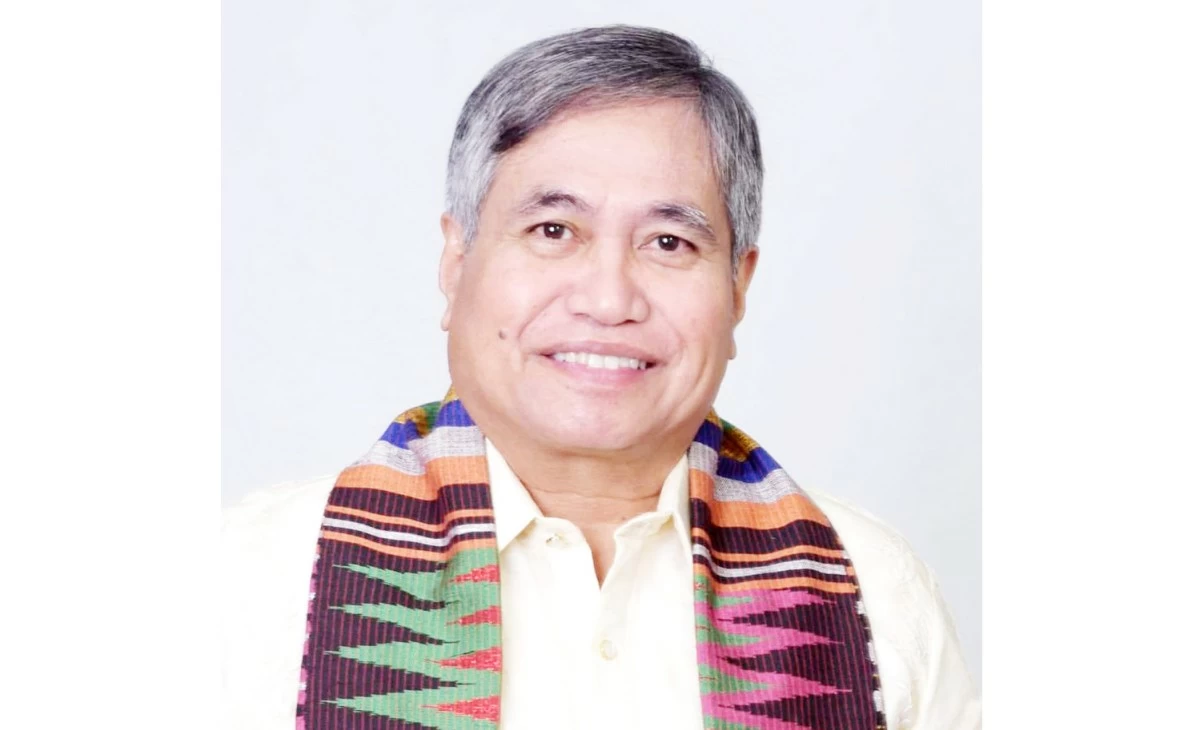
(Dr. Jaime Aristotle B. Alip is a poverty eradication advocate. He is the founder of the Center for Agriculture and Rural Development Mutually-Reinforcing Institutions (CARD MRI), a group of 23 organizations that provide social development services to eight million economically-disadvantaged Filipinos and insure more than 27 million nationwide.)