






Manila Bulletin
 Philippines
National
PH gov't expresses 'serious concerns' over word war between Chinese embassy, gov't officials
Philippines
National
PH gov't expresses 'serious concerns' over word war between Chinese embassy, gov't officials
Philippines
National
PH gov't expresses 'serious concerns' over word war between Chinese embassy, gov't officials
PH gov't expresses 'serious concerns' over word war between Chinese embassy, gov't officials
Published Jan 26, 2026 02:07 pm


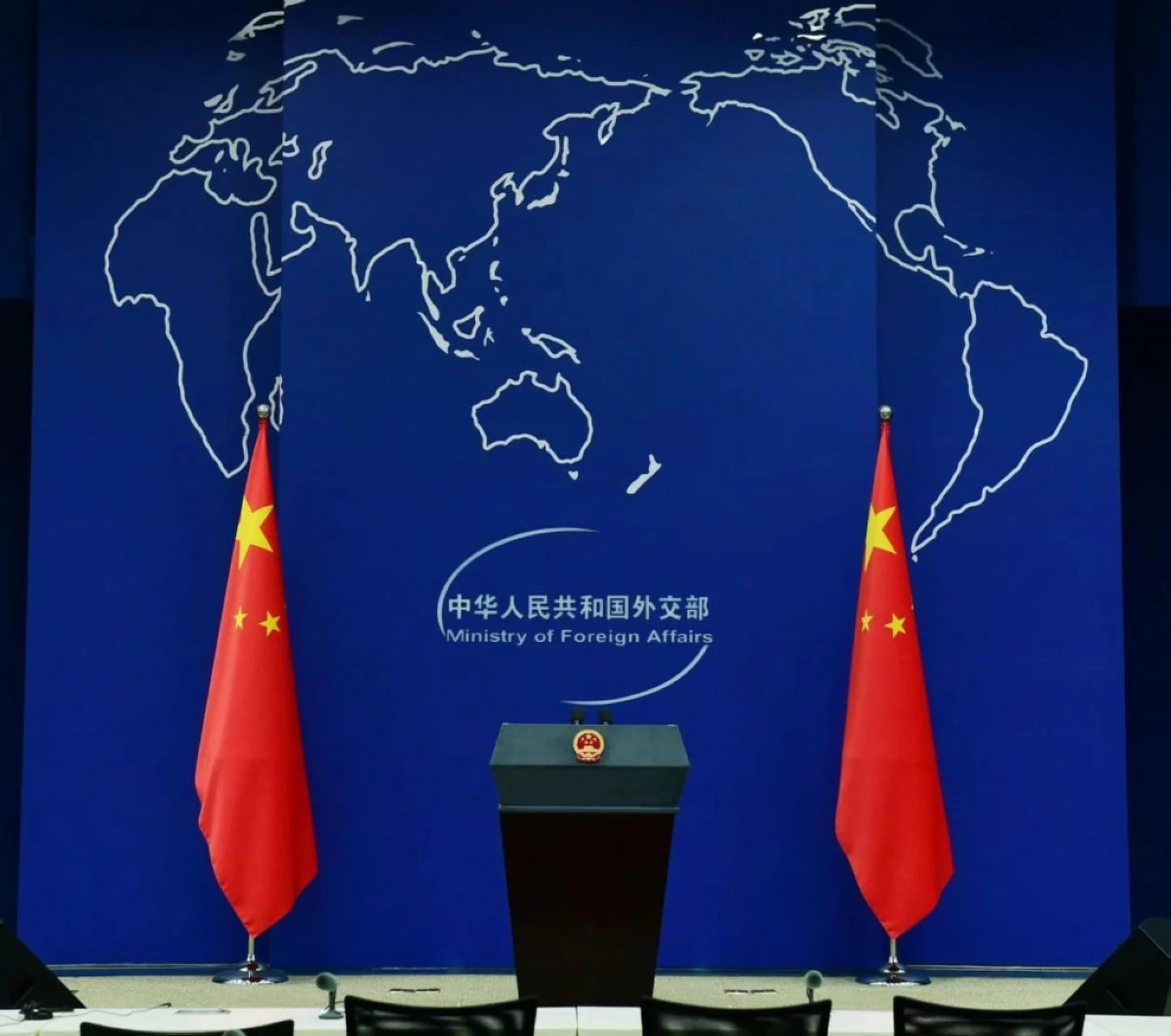
(Photo from the Ministry of Foreign Affairs of China)
The Philippine government has expressed serious concerns regarding the escalation of word war between the Chinese Embassy in Manila and several senators, as well as other government officials who continue to take a firm stand against Beijing over the West Philippine Sea issue.
The Department of Foreign Affairs (DFA), in a statement on Monday, Jan. 26, said the agency “made firm representations to the Chinese Ambassador and the Chinese Embassy conveying serious concerns with the escalation of public exchanges” between the two sides.
It was not clear how the DFA did it. In the past, the agency, as well as other foreign ministries, lobbied their diplomatic concerns through summoning the ambassador, like what China’s Foreign Ministry recently did to the Philippine envoy in Beijing.
Since the assumption of China's new ambassador in Manila, Jing Quan, in December, the embassy, through its deputy spokesman Guo Wei, has become more vocal in asserting China's claim over the West Philippines through public statements that lay out their own interpretation of international law.
Almost everyday since then, the embassy has been responding to the statements of Filipino government officials, including senators, congressmen and agency heads, by countering their remarks and implying they are spreading fake news against China.
The embassy, accused by Mamayang Liberal Party-list Leila de Lima of acting like a "Chinese troll," had accused Senator Risa Hontiveros of doing a "political theater" whenever she was speaking for the Philippines. The embassy also reminded Senator Raffy Tulfo of "risk[ing] becoming a source of ridicule" for commenting on the matter.
Just like it did recently, the DFA backed the Filipino officials by reiterating "our previous statements affirming support for our officials to perform their lawful duties in defense of Philippine sovereignty, sovereign rights, and jurisdiction."
"Their views, as well as those of disagreeing voices, are an inescapable part of the robust plurality of ideas that animate our democratic society," DFA said.
The department also maintained that debating on differences in national position while recognizing the need for sober, professional, and respectful exchanges in the public sphere "is not contradictory to the national interest."
"The Department believes that circumspection in language and actions are necessary so that the exchanges between the two sides, especially in the public domain, do not and will not unnecessarily derail the diplomatic space needed to manage the tensions in the maritime domain and constructively collaborate in the non-sensitive areas of cooperation," it said.
It included "establishing formal communication channels between the two coast guards, developing scientific cooperation on ocean meteorology, and reinvigorating our trade and investment ties, agriculture cooperation, and people-to-people interaction," it added.