






Manila Bulletin
 Philippines
National
House leader highlights importance of 'last mile' education bill; urges Senate to act
Philippines
National
House leader highlights importance of 'last mile' education bill; urges Senate to act
Philippines
National
House leader highlights importance of 'last mile' education bill; urges Senate to act
House leader highlights importance of 'last mile' education bill; urges Senate to act
Published Jan 26, 2026 09:40 am


At A Glance
- A ranking congressman called the proposed law for the construction of "last mile" schools as a decisive step toward finally bringing education closer to children in the country's most remote and conflict-ridden areas.
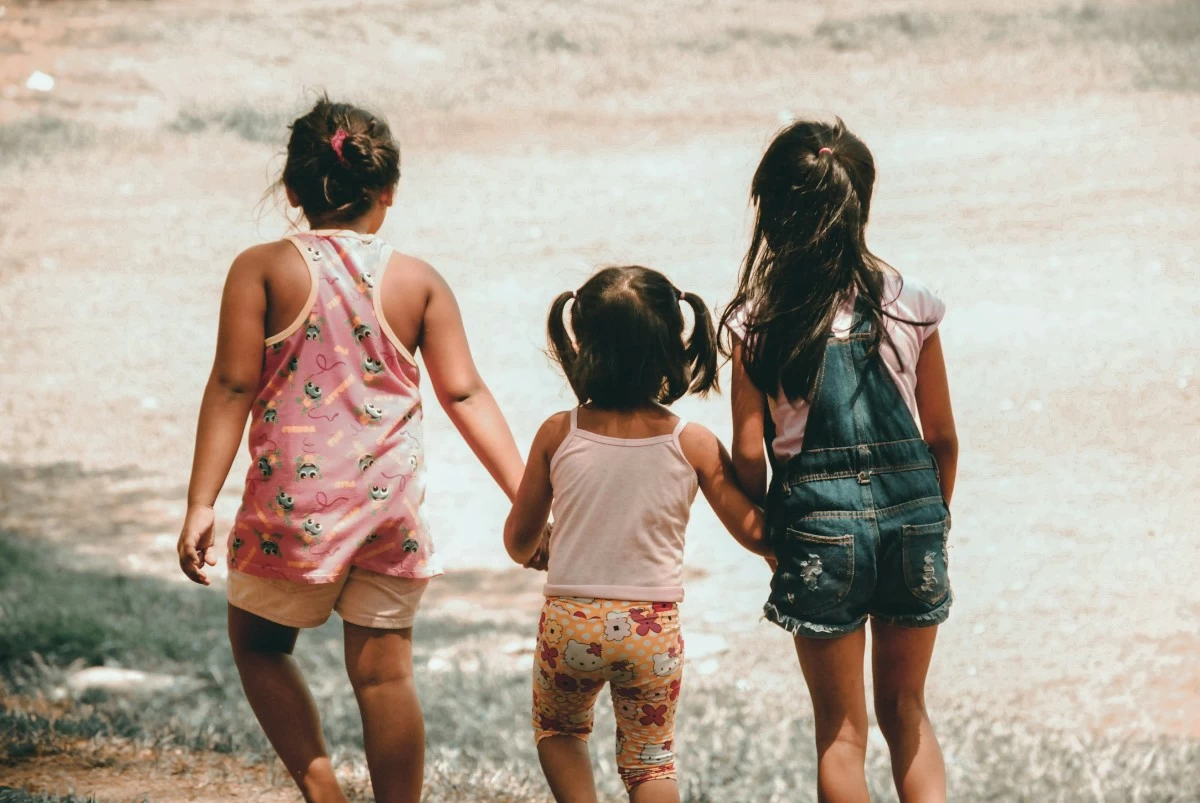
(Unsplash)
A ranking congressman called the proposed law for the construction of “last mile” schools as a decisive step toward finally bringing education closer to children in the country’s most remote and conflict-ridden areas.
Lanao del Sur Rep. Zia Alonto Adiong, one of the co-authors House Bill (HB) No. 4745, said over the weekend that the bill responds directly to conditions faced by learners in far-flung, disaster-prone, and post-conflict communities.
“Every school opening reminds us that distance, insecurity, and damaged access roads are still keeping children out of the classroom. This measure finally institutionalizes the solution—by bringing schools to the communities that need them most,” Adiong said.
Approved on third and filing reading by the House of Representatives om Oct. 13, 2025, HB No.4745 establishes public basic education schools in Geographically Isolated and Disadvantaged Areas (GIDAs) and conflict-affected communities.
Thus, the bill--principally authored by former House Speaker Leyte 1st district Rep. Martin Romualdez--seeks to address what education officials have long described as the country’s “last-mile” problem.
House members in the 20th Congress have been calling on the Senate to act swiftly and ensure the law's implementation before more learners fall behind.
“The House has done its part. The challenge now is to turn this policy into classrooms, teachers, and safe access on the ground—especially for communities that have waited the longest,” Adiong said.
According to the Department of Education (DepEd), more than 2.5 million learners live in areas officially classified as GIDAs.
In many upland, island, and post-conflict barangays, students walk two to four hours daily to reach the nearest school—one of the strongest predictors of absenteeism and dropout.
Save the Children Philippines reports that four in ten households in remote communities cite distance to school as the primary reason children fall behind or stop attending, with girls particularly vulnerable due to safety concerns during long commutes.
Recent storms and flooding that damaged classrooms and access roads in several regions have further aggravated the problem, forcing delayed enrollment and irregular attendance just weeks into the school year.
The Romualdez measure moves beyond pilot programs by mandating the DepEd to 1.) Identify priority GIDA and conflict-affected areas with inadequate school access; 2.) Establish and staff public basic education schools in these communities; 3.) Construct access roads and safe pathways leading to last-mile schools; and 4.) Ensure sustained national funding for infrastructure, teachers, and maintenance.
Adiong said the measure reflects lessons learned from post-conflict and disaster rehabilitation efforts, where education access often lags behind housing and infrastructure.
“You cannot rebuild communities if children cannot get to school. This law integrates education into long-term recovery and development planning,” he noted.