






Manila Bulletin
 Philippines
National
Find out the legal luminaries invited to House anti-politcal dynasty bill talks
Philippines
National
Find out the legal luminaries invited to House anti-politcal dynasty bill talks
Philippines
National
Find out the legal luminaries invited to House anti-politcal dynasty bill talks
Find out the legal luminaries invited to House anti-politcal dynasty bill talks
Published Jan 26, 2026 03:48 pm


At A Glance
- The House Committee on Suffrage and Electoral Reforms will host on Tuesday, Jan. 27 an esteemed group of legal luminaries as it begins its deliberations on the filed Anti-Political Dynasty bills this 20th Congress.
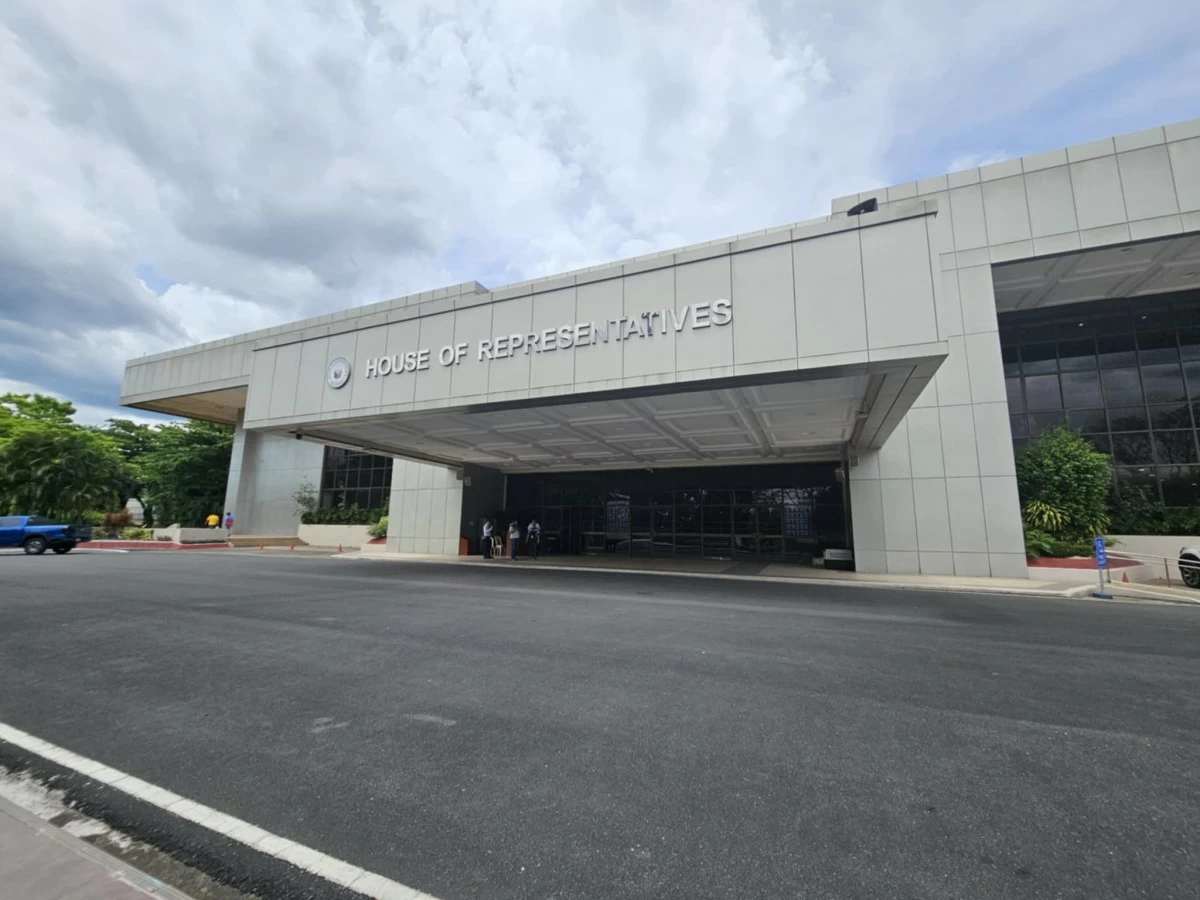
The House of Representatives (Ellson Quismorio/ MANILA BULLETIN)
The House Committee on Suffrage and Electoral Reforms will host on Tuesday, Jan. 27 an esteemed group of legal luminaries as it begins its deliberations on the filed Anti-Political Dynasty bills this 20th Congress.
The panel, chaired by Lanao del Sur 1st district Rep. Zia Alonto Adiong, will take up at least 20 anti-political dynasty bills already referred to the committee.
House officials said the presence of veteran jurists and constitutional framers is intended to ensure that the long-delayed reform measure is firmly anchored on constitutional intent and established legal doctrine.
Invited to attend the proceedings as resource persons and expected to share their valuable insights to the panel were former Supreme Court (SC) chief justices Reynato Puno and Artemio Panganiban, former Senior Associate Justice Antonio Carpio, and former Associate Justice Adolfo Azcuña.
Also set to grace Tuesday hearing are Commission on Elections (Comelec) Chairman George Erwin Garcia, Philippine Bar Association President Joseph Manolo Rebano, Integrated Bar of the Philippines (IBP) President Allan Panolong, and 1986 Constitutional Commission members Christian Monsod and Wilfrido Villacorta.
Deans of leading law schools, academics, and civil society representatives have likewise been invited.
“As chairperson, I am fully committed to ensuring that the committee’s deliberations produce a version of the Anti-Political Dynasty Bill that is effective, legally sound, and constitutionally compliant,” Adiong said.
“We will harness the collective wisdom of our distinguished resource persons to craft a measure that genuinely promotes equitable political participation, upholds meritocracy, and strengthens Philippine democracy,” he said.
The proposed Anti-Political Dynasty Law is one of the longest sought measures in the history of the legislature. While there have been similar discussions in the House in the past, these have gone nowhere partly due to the contentious nature of the bill.
But this time, no less than House Speaker Faustino "Bojie" Dy III and Majority Leader Sandro Marcos are leading the push to approve it. House Bill (HB) No.6771--Dy and Rep. Marcos' own version of the proposed Anti-Political Dynasty Act--is expected to be the template measure once the suffrage panel begins its hearings.
HB No.6771 defines "political dynasty" as the concentration and dominance of elective political power by persons related to one another.
"Under this proposed measure, spouses, siblings, and relatives within the fourth civil degree of affinity or consanguinity of a duly elected public officer are disqualified from simultaneously holding identified elective public positions," read the bill.
Meanwhile, "political dynasty relationship" refers to an existing familial relationship with an incumbent elective public official, such as a spouse, direct ascendant or descendant, sibling or any other person related within the fourth civil degree of consanguinity or affinity whether legitimate or illegitimate, full or half- blood.