







BSP to launch 'universal' auto-debit in 2026
By Derco Rosal
Published Jan 26, 2026 12:00 am
|
Updated Jan 24, 2026 03:45 pm


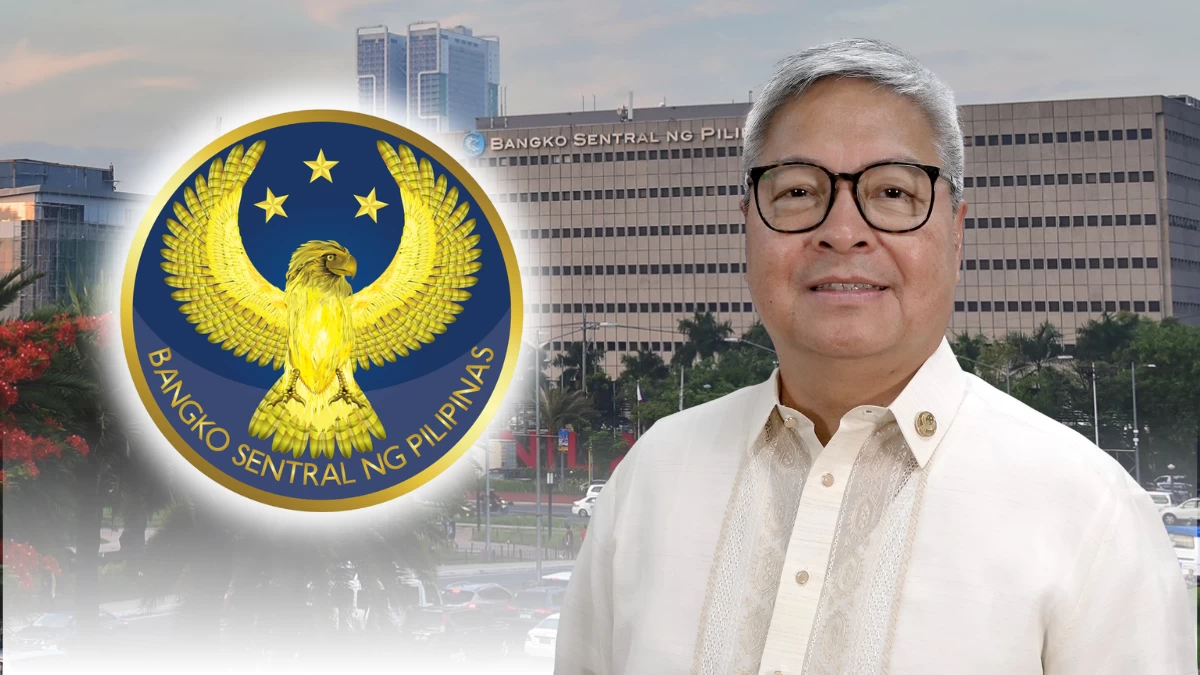
BSP Deputy Governor Mamerto Tangonan
Following a pilot test last year, the Bangko Sentral ng Pilipinas (BSP) will launch its interoperable—or interbank—auto-debit billing system, a move expected to modernize payments across the Philippine financial sector.
Speaking to reporters during the annual reception for the banking community last Friday night, Jan. 23, BSP Deputy Governor Mamerto Tangonan said the auto-debit facility will be rolled out this year, breaking the existing barriers between banks.
Tangonan, who oversees the payments and currency management sector, explained that the current auto-debit functions banks offer can only be processed within the same bank.
With the upcoming interoperable system, he assured, customers will no longer need to be in the same bank. “It works like an auto-debit system, but interoperable, so it functions across different banks,” he said.
It bears recalling that the BSP, together with the Philippine Payments Management, Inc. (PPMI), had announced plans to expand the country’s digital financial landscape by launching three new e-payment streams.
According to the central bank, this move is “part of a push to broaden the use of digital payments over the next two years,” covering 2024, President Ferdinand Marcos Jr.’s second year in Malacañang.
Former BSP Governor Benjamin E. Diokno said the three digital payment streams set for rollout include request-to-pay, direct-debit, and bill-pay facilities. Only the bills-pay function was launched in 2022, with the other two streams still in the pipeline.
In particular, the bills-pay system is designed to address the fragmented way retail customers currently pay their bills—a gap that the upgraded payment system will close. Bank customers will be able to “pay their electricity, water, and telephone bills even if the accounts of the customer and the biller are with different banks or other financial institutions.”
Meanwhile, the request-to-pay feature will allow payees to initiate collections by sending a payment request to the payer without sharing account details or specifying the amount. This shifts the burden of data entry, as the payor only needs to authorize the collection—such as by clicking “approve”—once the request is sent.
Additionally, the direct-debit function aims to simplify regular financial obligations, allowing customers to manage recurring payments—such as rent, loan amortizations, and insurance—by simply authorizing billers to pull funds directly from their accounts.