







Remolona sees no imminent slide to ₱60 level
By Derco Rosal
Published Jan 25, 2026 12:00 am
|
Updated Jan 24, 2026 03:36 pm


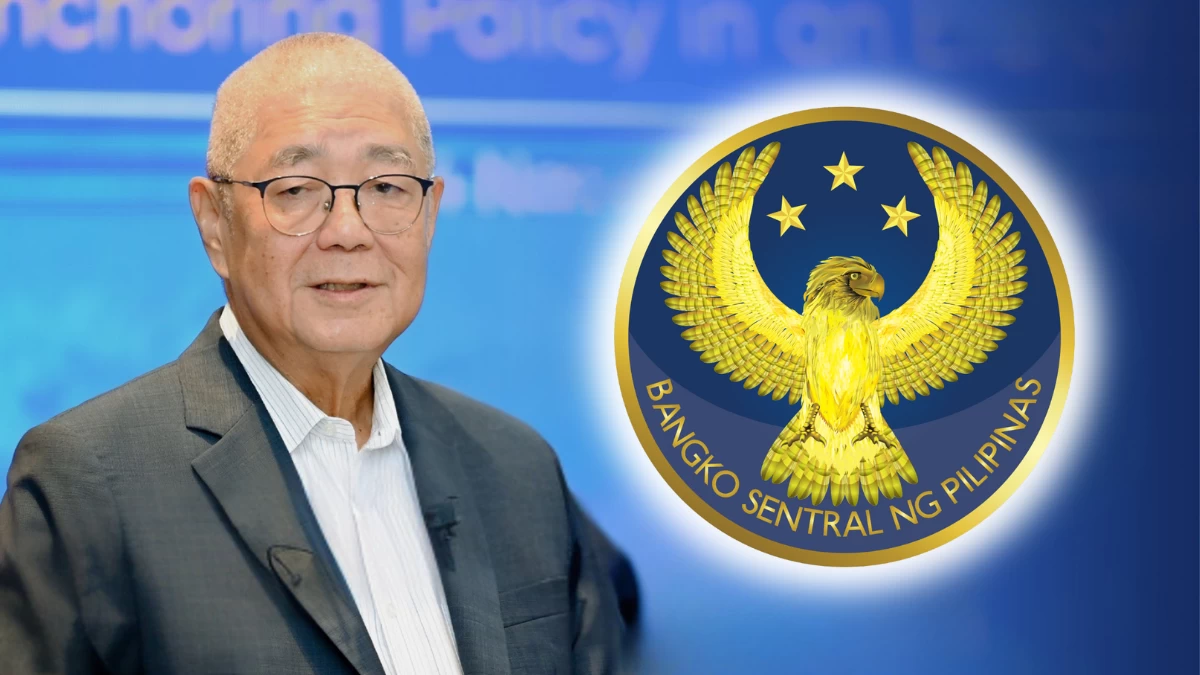
BSP Governor Eli Remolona Jr.
Bangko Sentral ng Pilipinas (BSP) Governor Eli Remolona Jr. signaled that while the central bank remains vigilant against currency volatility, a slide to the ₱60-per-dollar threshold is not imminent.
Speaking at the 2026 annual reception for the banking community on Friday, Jan. 23, Remolona indicated that any potential intervention would be dictated by the velocity of the peso’s decline rather than specific psychological floor.
“Not soon,” Remolona told reporters when asked whether it is inevitable for the local currency to trade weaker at ₱60 against the United States (US) dollar.
This comes on the heels of President Ferdinand Marcos Jr. signaling resistance to a further slide of the peso toward the ₱60 level.
Remolona said the central bank’s response to foreign exchange (forex) movements will mainly center on the pace of depreciation. Last week, the peso maintained an appreciation streak after a series of plunges to record lows.
“We do what we’ve always done. We try to avoid sharp movements in the peso,” Remolona told reporters on Friday night, Jan. 23.
Unless currency movements swing wildly, Remolona hinted the BSP will “probably” allow the peso to settle at weaker levels. The peso weakened to a fresh record low of ₱59.46 per dollar in mid-January following heightened expectations that the BSP would extend its interest-rate easing cycle.
Remolona sounded a bit hawkish regarding the possibility of another quarter-point cut from the current 4.5 percent, saying it remains “a maybe.” Another cut could be mulled over should inflation prints stay low and if gross domestic product (GDP) growth emerges weaker than market expectations.
He added that the US Federal Reserve’s (Fed) move remains among the BSP’s several data points that guide the central bank’s policy decisions.
Japanese financial giant MUFG Bank, Ltd. noted that while a weaker US dollar may ease external pressure on Asian forex markets, such as the peso, it said domestic developments are weighing on the local currency.
“The peso is weighed down by slowing economic growth,” MUFG wrote in a commentary published last Friday. Growth slumped to 4 percent in the third quarter of 2025, bringing average output growth to 5 percent during the first three quarters.
For the Japanese lender, the Philippines “could see a further slowdown in GDP growth in the fourth quarter of 2025 and potentially larger trade deficits, which would put downward pressure on the peso.”
It added that the central bank’s signal of extended policy easing this year could hurt the local currency. The peso is expected to trade stronger at ₱58.8 per US dollar in the first quarter of 2026, but gradually slip to ₱59.5 by year-end.
MUFG warned that Asian currencies, including the peso, could come under pressure again if the Fed shifts to a hawkish stance on policy easing.