






Manila Bulletin
 Philippines
National
West PH Sea dispute is intergenerational challenge requiring steady, lawful resolve—NMC
Philippines
National
West PH Sea dispute is intergenerational challenge requiring steady, lawful resolve—NMC
Philippines
National
West PH Sea dispute is intergenerational challenge requiring steady, lawful resolve—NMC
West PH Sea dispute is intergenerational challenge requiring steady, lawful resolve—NMC
Published Jan 24, 2026 07:23 am


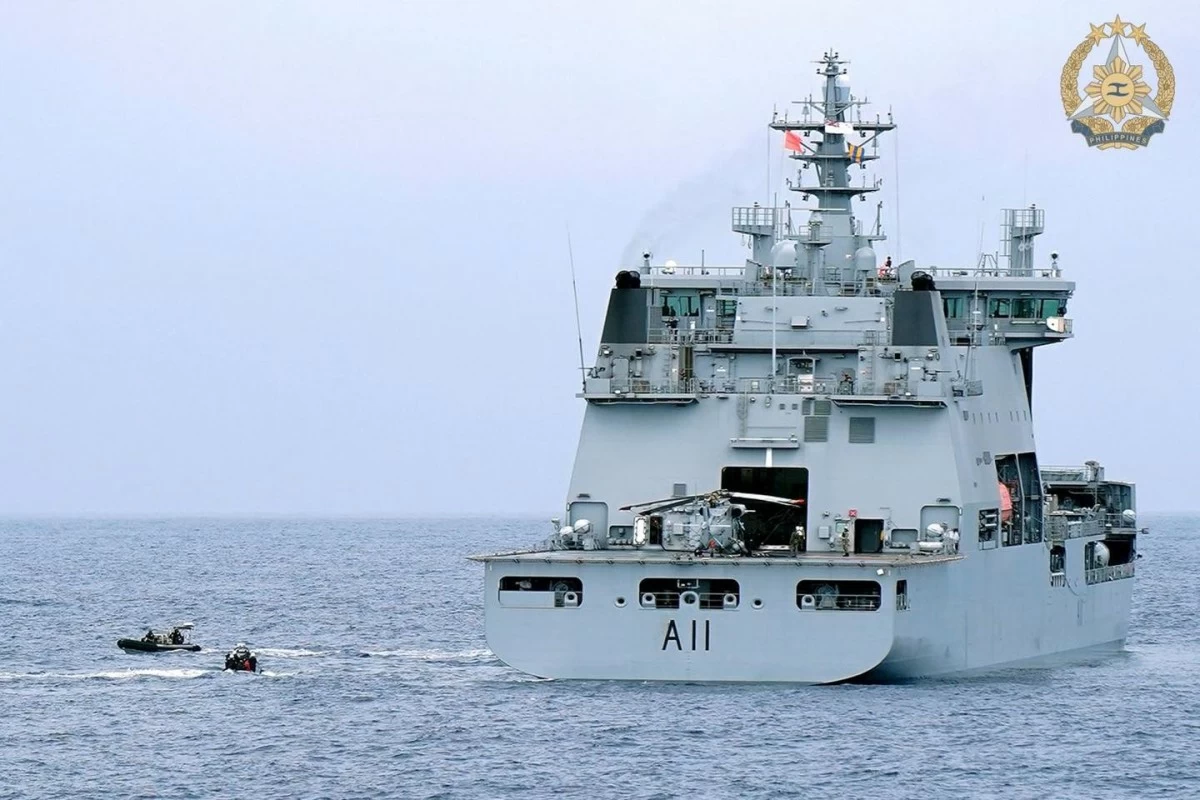
(Photo: Armed Forces of the Philippines)
The West Philippine Sea dispute is a long-term, intergenerational challenge that demands restraint, consistency, and firm adherence to international law, a maritime official said, as the Philippines continues to face aggressive actions and rhetoric from China.
In an interview with state-run PTV-4, National Maritime Council (NMC) spokesperson Alexander Lopez said the issue is not a short-term standoff but a sustained test of national resolve that will extend beyond any single administration.
“Ang laban sa West Philippine Sea ay intergenerational o pangmatagalan kaya naman po ang inyong gobyerno ay maingat at seryosong tinatalakay ang hamong ito sa mapayapa, legal at maprinsipyong pamamaraan (The struggle over the West Philippine Sea is intergenerational or long-term, which is why the government is carefully and seriously addressing this challenge in a peaceful, legal, and principled manner),” he said.
He added that the government expects the challenge to persist, underscoring the need for patience and discipline in both actions and messaging.
“Nakikita po natin na ang hamon na ito ay tuluy-tuloy pa din nating mararamdaman ngayong taong ito (We see that this challenge will continue to be felt throughout this year),” he added.
No provocation
Lopez rejected China’s claim that the presence of Philippine government vessels and Filipino fishermen in the West Philippine Sea constitutes provocation, stressing that such activities are lawful and grounded in the United Nations Convention on the Law of the Sea (UNCLOS).
He explained that only the coastal state has sovereign rights and jurisdiction over resources within its 200-nautical-mile exclusive economic zone (EEZ), adding that Philippine Coast Guard (PCG), Bureau of Fisheries and Aquatic Resources (BFAR), and Navy patrols are conducted to protect Filipino fishermen and enforce Philippine and international law.
China, Lopez said, has no legal basis under international law to accuse the Philippines of provocation, citing repeated incidents involving water cannon use, ramming, dangerous maneuvers, laser pointing, and harassment of resupply missions.
Open to dialogue
Despite this, Lopez said the Philippines remains open to dialogue and diplomatic engagement, in line with President Marcos’ directive, but stressed that talks cannot come at the expense of sovereignty and national interest.
“Bukas tayo sa pag-uusap, pero ang ating national interest ay mangingibabaw sa prosesong ito (We are open to dialogue, but our national interest must prevail in this process),” he said.
The maritime official emphasized that the government deliberately avoids actions or language that could trigger miscalculation or escalation, noting that restraint is central to preventing tensions from turning kinetic.
The NMC, Lopez said, ensures a coherent and unified maritime policy across government agencies, guided by legality, transparency, and peaceful means consistent with the 2016 arbitral ruling.
Transparency, institutions must be protected
Commenting on China’s warnings against Philippine officials, civic leader and Palace ally Dr. Jose Antonio Goitia said transparency is an institutional policy of the Marcos administration and not the position of any single spokesperson.
“What the Coast Guard is presenting are records, not rhetoric. Facts don’t become hostile just because they are inconvenient,” he said.
“To demand silence from one official is to ignore the policy behind him. This is not an individual’s position; it is the government’s official stance,” he added.
Goitia noted that public officials should not be threatened for performing their duties within the bounds of law and evidence, noting that transparency reflects state policy rather than individual action.
He also said disputes between states must be addressed at the institutional level, echoing calls for diplomatic channels to handle tensions while safeguarding Philippine officials and institutions.
“States speak to states. Public servants should not be targeted or threatened for lawfully doing their duty,” he said.
The Department of Foreign Affairs has affirmed its support for Philippine agencies and elected officials defending the country’s sovereignty, rights, and jurisdiction, reiterating that disputes should be resolved through diplomacy anchored on UNCLOS and the 2016 arbitral award.