






Manila Bulletin
 Philippines
National
'Respeto sa pasahero': LTFRB crafts policy to prevent dilapidated PUVs from getting franchise
Philippines
National
'Respeto sa pasahero': LTFRB crafts policy to prevent dilapidated PUVs from getting franchise
Philippines
National
'Respeto sa pasahero': LTFRB crafts policy to prevent dilapidated PUVs from getting franchise
'Respeto sa pasahero': LTFRB crafts policy to prevent dilapidated PUVs from getting franchise
Published Jan 24, 2026 12:16 pm
|
Updated Jan 24, 2026 02:25 pm


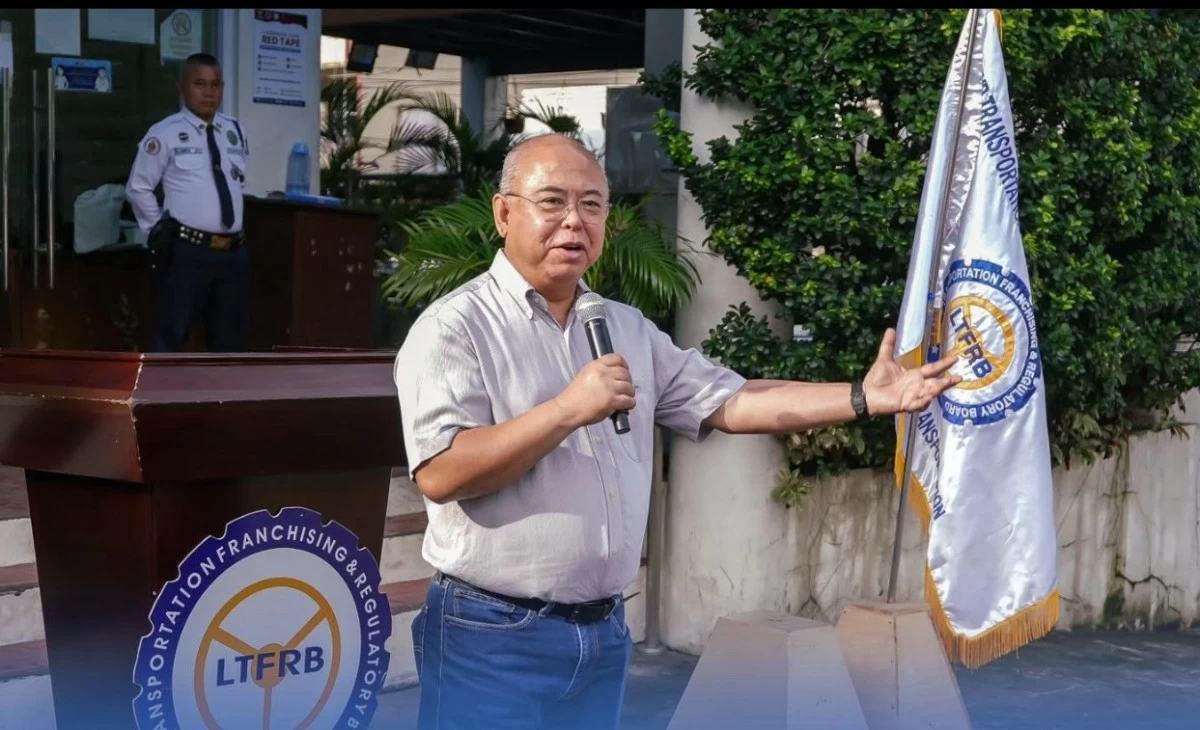
Operators of dilapidated public utility vehicles (PUVs) can kiss their hope of franchise renewal goodbye after the Land Transportation Franchising and Regulatory Board (LTFRB) said it will draft a new policy that will prevent vehicles in state of neglect from being used for public transportation.
LTFRB chairman Vigor D. Mendoza II said the new policy will cover even PUVs in the provinces and is aimed at improving the public transport system in the country amid complaints of dirty and damaged PUVs still operating even in Metro Manila and other urban areas.
“We will adopt a new confirmation process. We will not confirm the franchise of dilapidated PUVs,” said Mendoza.
The policy reform was buoyed by complaints and even personal experience of the status of passenger buses and passenger jeepneys which include the modern jeepneys.
In one instance, he narrated that he rode a passenger jeepney in an area in the Visayas Region with a big hole in the middle of the passenger platform while some jeepneys in Metro Manila have torn and dirty seats.
“I am talking about the modern jeepneys. I don’t even want to discuss the traditional jeepneys, and let me not get started with the taxis,” said Mendoza.
In some cases, he said the jeepney drivers were even in sandos and shorts and wearing slippers.
Mendoza said Filipino commuters do not deserve these kinds of transport systems and must be treated with respect instead.
The LTFRB chief has been urging transport operators to respect their passengers, whom he said are the lifeblood of PUV business.
Such respect, he said, includes ensuring that they are provided with clean and reliable PUVs, as well as drivers wearing presentable clothes following cases of jeepney drivers in sandos, shorts, and slippers.
This is the reason, he said, why the LTFRB is now embarking on aggressive reform programs that starts with inspection and monitoring of the status of PUVs across the countries—from jeepneys and taxis to passenger buses.
“We in the LTFRB are tasked by law to regulate public transport in the country, ensure road worthiness, guarantee that only competent and well-trained drivers are behind the wheels of PUV vehicles, ensure the safety of our passengers, the efficiency of our transport system and the comfort and convenience of our riding public,” said Mendoza.
“We must start doing these things in the interest of the Filipino commuters. We have to have a paradigm shift in our way of thinking and doing things,” he added.
He said the measures will be discussed by the Board and top LTFRB officials in order to come up with a clear guideline on the matter.