






Manila Bulletin
 Philippines
National
Escudero urges gov't to fast-track tripartite deal with capable LGUs
Philippines
National
Escudero urges gov't to fast-track tripartite deal with capable LGUs
Philippines
National
Escudero urges gov't to fast-track tripartite deal with capable LGUs
Escudero urges gov't to fast-track tripartite deal with capable LGUs
By Dhel Nazario
Published Jan 24, 2026 02:28 pm


Senator Francis “Chiz” Escudero is calling on the national government to advance the proposed tripartite agreement involving three agencies as it seeks to empower qualified local government units (LGUs) to achieve accelerated growth through improved infrastructure, stronger rural connectivity, and better school facilities.
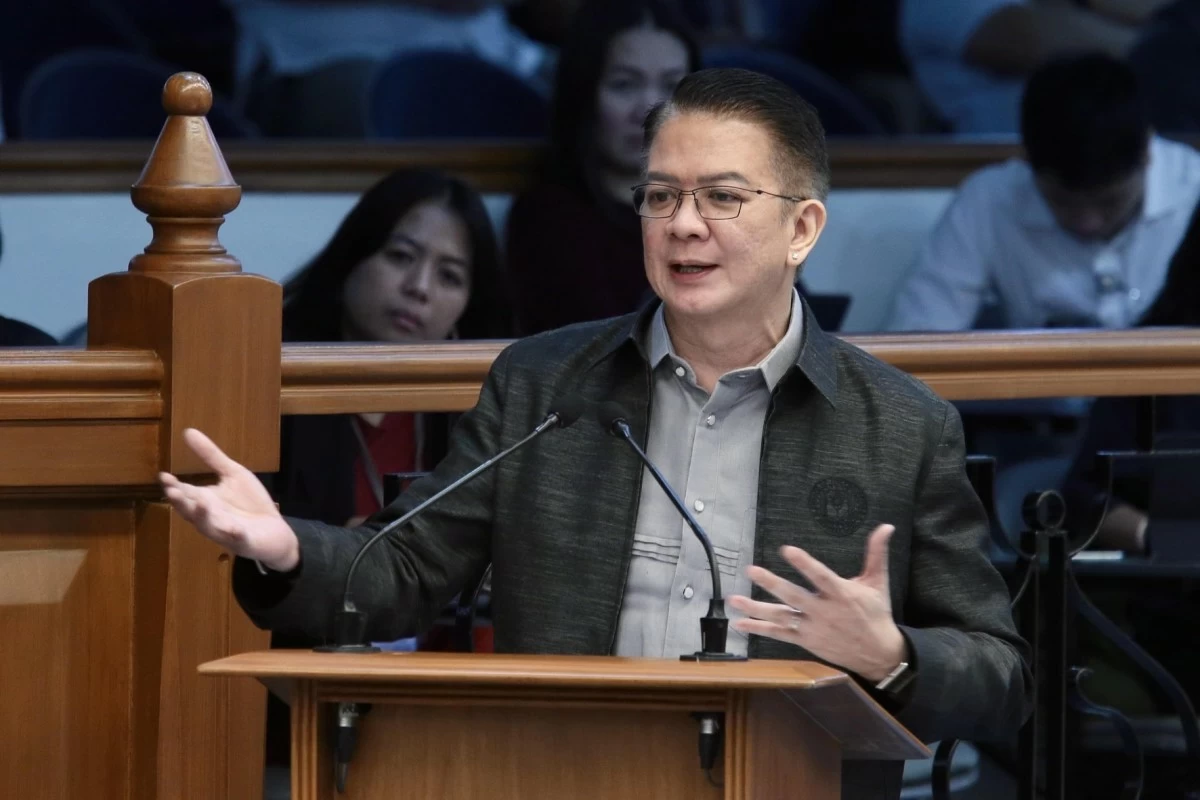
Senator Francis "Chiz" Escudero (Facebook)
Escudero is referring to the Department of Public Works and Highways (DPWH), the Department of Education (DepEd), and the Department of Agriculture (DA).
In his recent conversation with Public Works Secretary Vince Dizon, Escudero said he was informed that the proposed agreement identifies two key requirements for LGUs that will be prioritized: demonstrated capacity to implement and complete projects, and a stable peace‑and‑order environment that allows development programs to proceed without disruption.
“The national government should focus on LGUs that have shown they can plan well, execute well, and maintain order,” Escudero said. “When local governments are capable, national‑local partnerships become faster, more efficient, and more impactful.”
“Our LGUs should also take advantage of this new business model by meeting these requirements so they can access more support, unlock bigger opportunities, and deliver development programs more quickly to their constituents,” he added.
The Bicolano expressed his delight when he was told by DPWH Secretary Vince Dizon that Sorsogon was among the provinces that meet the criteria and could serve as a top choice under the tripartite model.
He cited its strong governance record as well as its readiness to implement infrastructure programs.
From 2019 to 2022, during Escudero’s term as governor, Sorsogon completed major infrastructure projects such as the Sorsogon Coastal Road, rehabilitated provincial and barangay roads during the pandemic, and strengthened peace and order through support for Barangay Development Projects under the Task Force to End Local Communist Armed Conflict (TF‑ELCAC).
These initiatives created a stable environment that enabled development programs to take root and succeed.
The veteran legislator said the tripartite model was applicable to all provinces nationwide, provided that LGUs meet the agreement’s requirements on capacity and peace and order.
Replicating the approach in similarly capable LGUs, he said, can help spur growth across regions.
He added that the DPWH‑DepEd‑DA partnership can serve as a template for future collaborations aimed at improving infrastructure, enhancing education facilities, and supporting agricultural productivity.
“This is exactly how the Local Government Code envisioned development — strong national support matched with capable, empowered LGUs delivering results on the ground,” Escudero pointed out.
“When we back LGUs that are ready and proven, progress becomes faster, fairer, and felt by more families,” he added.