






Manila Bulletin
 Philippines
National
Duterte defense hits ICC prosecutor for seeking 'second bite of the cherry' on jurisdiction
Philippines
National
Duterte defense hits ICC prosecutor for seeking 'second bite of the cherry' on jurisdiction
Philippines
National
Duterte defense hits ICC prosecutor for seeking 'second bite of the cherry' on jurisdiction
Duterte defense hits ICC prosecutor for seeking 'second bite of the cherry' on jurisdiction
Published Jan 24, 2026 07:03 am
|
Updated Jan 24, 2026 02:28 pm


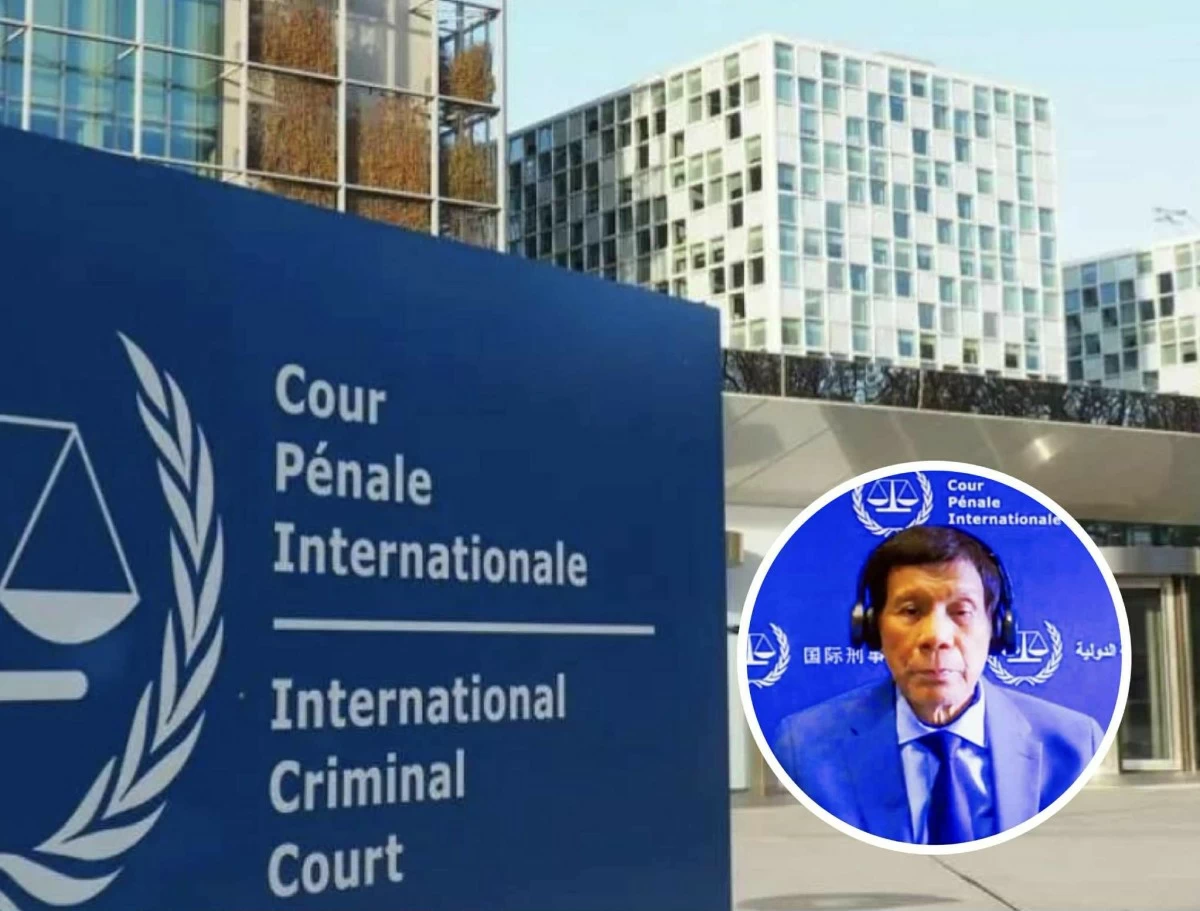
Former president Rodrigo Duterte (ICC Photos)
Lawyers for former president Rodrigo Duterte have accused the International Criminal Court (ICC) prosecutors of trying to relitigate issues already settled by the court, warning that the latest filing on jurisdiction amounts to an improper attempt to get a “second bite of the cherry.”
In a pleading dated Jan. 23 and submitted to the ICC Appeals Chamber, Duterte’s defense, led by Nicholas Kaufman, said the prosecution’s additional submissions reopen questions on jurisdiction that were previously argued, decided, and not appealed, violating basic principles of finality in judicial proceedings.
The dispute centers on how key provisions of the Rome Statute interact, particularly Articles 12(2), 13(c), and 127, which govern jurisdiction, how cases are initiated, and the legal effects of a state’s withdrawal from the ICC.
Article 12(2) sets the preconditions for the Court’s jurisdiction, allowing the ICC to act when the alleged crimes were committed on the territory of a State Party or by a national of a State Party.
Article 13(c), meanwhile, allows the ICC prosecutor to open an investigation proprio motu, or on their own initiative, provided the Court has jurisdiction under Article 12 and authorizes the move.
Article 127 governs withdrawal from the Rome Statute, stating that a state’s exit does not affect the Court’s jurisdiction over crimes allegedly committed while the country was still a member, nor does it halt proceedings already under consideration.
The Appeals Chamber has asked the parties to address how these provisions interact and what their combined effect means for the Philippines case.
Jurisdiction already litigated
The defense argued that the prosecution is misusing Regulation 28(2) of the ICC to revive jurisdictional arguments that should no longer be entertained. Regulation 28(2) allows the ICC to accept additional submissions only if they are strictly necessary, a safeguard meant to prevent parties from reopening issues already decided.
It stated that the prosecutor’s move seeks to circumvent earlier rulings by reframing the same issues, rather than respecting the procedural limits set by the Rome Statute.
According to the defense, allowing this approach would undermine legal certainty and encourage endless litigation on matters that should already be closed.
‘Second bite of the cherry’
In the filing, the defense explicitly described the prosecution’s action as an effort to obtain a “second bite of the cherry,” a legal phrase referring to an improper second attempt to argue a point that has already been decided.
“The Defence reiterates its view that the Prosecution’s resort to Regulation 28(2) of the Regulations of the Court was nothing more than a calculated attempt to obtain a second bite of the cherry on a fully litigated matter it chose not to appeal.
The lawyers stressed that jurisdictional rules are not mere technicalities but fundamental safeguards that apply regardless of the gravity of the allegations.
They warned that relaxing these standards would weaken the integrity of the court’s own procedures.
Exercise of jurisdiction still challenged
Beyond procedural objections, the defense reiterated its position that while the ICC may claim theoretical jurisdiction over acts allegedly committed while the Philippines was a State Party, it cannot lawfully exercise that jurisdiction because the investigation was authorized only after Manila withdrew from the Rome Statute.
The defense said coercive powers under Article 15 of the statute can only be triggered while a state remains a party, which was no longer the case when the ICC approved the probe. Article 15 of the Rome Statute allows the ICC Prosecutor to initiate investigations on their own initiative, subject to judicial authorization, without a referral from a state or the UN Security Council.
The prosecution and representatives of victims have argued the opposite, maintaining that jurisdiction attached before withdrawal and therefore continues to apply.
Case background
The ICC investigation relates to alleged crimes against humanity connected to Duterte’s anti-drug campaign.
The Philippines formally withdrew from the Rome Statute in 2019, a move the defense says strips the ICC of authority to proceed with the case.
Duterte was arrested and turned over to the ICC in March 2025.
The Appeals Chamber has yet to rule on the latest defense submission.