







What is the greatest roadblock to Philippine tourism?
We ask industry stakeholders what we need to level up
Published Jan 23, 2026 09:31 am
|
Updated Jan 23, 2026 02:13 pm


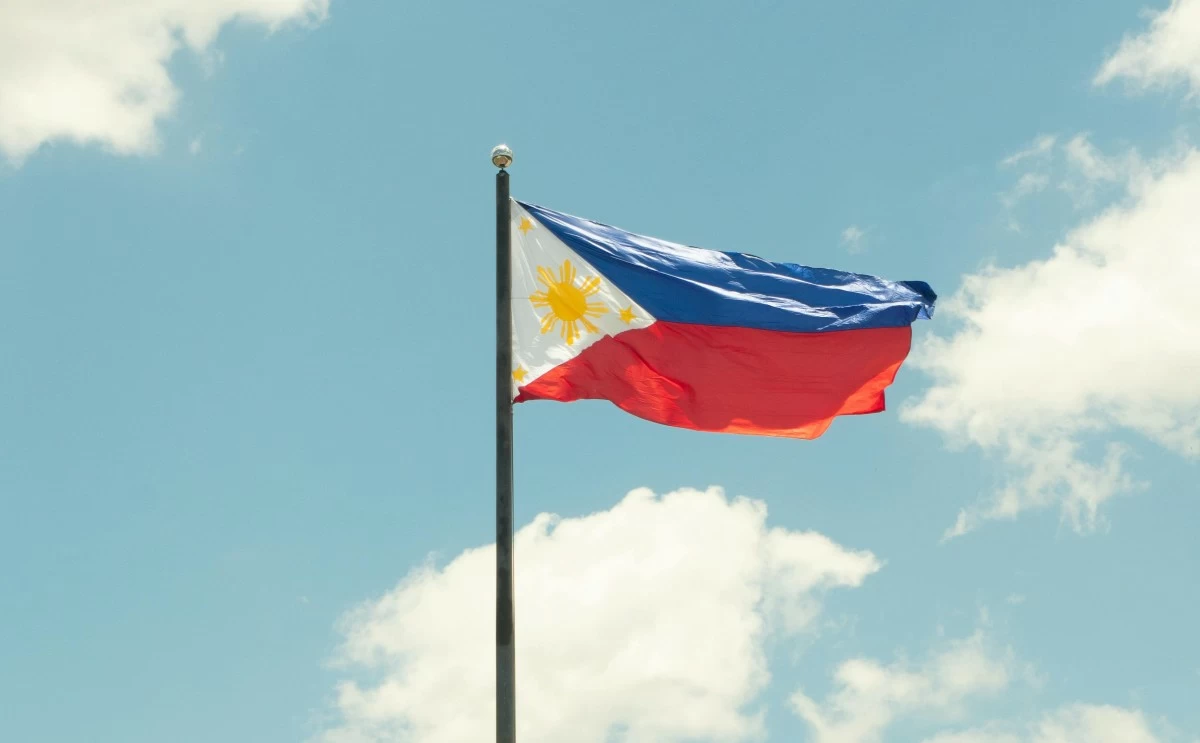
The Philippines should be dominating the tourism conversation. It is one of Southeast Asia’s most naturally spectacular destinations—home to world-famous islands, award-winning beaches, and a hospitality culture that travelers praise again and again. Yet the numbers reveal a lingering gap between global admiration and actual competitiveness. The country peaked at 8.26 million foreign visitors in 2019, before the pandemic crushed international travel across the region. In 2025, the country logged 6.4 million, and that already includes a huge chunk of balikbayans.
What makes the Philippines’ recovery more striking is how rapidly its neighbors have surged ahead. Thailand, which welcomed 39.8 million visitors in 2019, climbed back to 28 million in 2023 and 35.5 million in 2024. Vietnam rebounded even more dramatically, rising from 18 million in 2019 to 21.17 million in 2025, surpassing its pre-pandemic record. Malaysia logged 25 million arrivals in 2024, underscoring how aggressively the region is competing for global travelers.
These comparisons sharpen the central question: Why does a country so celebrated still struggle to convert beauty into sustained tourism growth? In this forum, industry leaders confront the roadblocks—connectivity, infrastructure gaps, regulatory friction, digital visibility, and fragmented coordination—and outline what must change for Philippine tourism to finally operate at a world-class level.

Alfred M. Reyes
The greatest roadblock to Philippine tourism competitiveness lies in poor connectivity, restrictive travel policies, corruption perception, and fragmented coordination among stakeholders. While the Philippines offers some of the most breathtaking destinations in Asia, many remain difficult and costly to access due to limited direct flights, poor inter-island transport, and weak digital infrastructure. Compounding this is the lingering negative image of government corruption, which undermines investor confidence and discourages tourists seeking a sense of safety and transparency. Unlike neighboring countries that have adopted seamless and free visa policies, the Philippines still struggles with cumbersome entry procedures and regulatory red tape.
To fix this, the government must prioritize clean and efficient governance, strengthen physical and digital connectivity, simplify visa processes, and adopt a unified “whole-of-destination” approach through empowered regional destination management organizations. Alongside this, sustained investment in workforce upskilling and sustainable tourism will ensure that the Filipino brand of hospitality shines with professionalism and integrity. The Philippines doesn’t lack beauty, it lacks connectivity, good governance, and coordination to reach its full tourism potential.—Alfred M. Reyes, Bai Hotel Cebu vice president for Operations and general manager

Stanley Ng
The greatest roadblocks of Philippine tourism are infrastructure gaps, inconsistent connectivity, and regulatory inefficiencies. Many top destinations remain difficult to reach due to limited flights, poor road conditions, and inadequate transport systems between islands. Power and water shortages in smaller tourist areas are also inconvenient, while outdated airport facilities hinder growth and can’t always handle rising tourist arrivals. On the administrative side, slow visa processing, overlapping government regulations, and weak coordination between tourism-related agencies often create confusion for both investors and travelers. These issues combine to reduce competitiveness compared to neighboring ASEAN destinations.
To make it better, the Philippines must focus on integrated infrastructure development and streamlined governance. Expanding regional airports, modernizing seaports, and improving inter-island connectivity would make travel faster and more efficient. Public-private partnerships can help fund eco-friendly resorts, digital infrastructure, and destination management systems. Policy-wise, simplifying permits, upgrading digital visa systems, and creating a unified tourism strategy across agencies would remove bureaucratic friction. Training communities in hospitality and sustainability can also ensure that growth benefits locals while protecting natural resources. By combining infrastructure modernization with policy reform and inclusive development, the Philippines can finally unlock its full tourism potential.—Stanley Ng, PAL Holdings vice president

Cleofe Albiso
Today’s travelers live online—they dream, plan, and book their journeys there. If we want them to choose the Philippines, we must make it easy for them to find and fall in love with what we offer. It is of vital importance that we invest in our digital infrastructure, ensuring that Philippine destinations, hotels, and experiences are visible, bookable, and competitive across the world’s leading metasearch engines and online travel platforms. We already have the beautiful destinations, heritage, culture, and the warm people. The next step is to make sure the world can find, explore, and book them with ease.
But beyond being discoverable online, the experience on the ground must match the promise we make digitally. We should also create visa processing, which we are starting to do, and open for certain markets, as well as the much-needed tourism infrastructure, like airport capacity, access roads to destinations, and sustainable features to make sure the host community is protected and is a part of the tourism experience.—Cleofe Albiso, Megaworld Hotels and Resorts managing director

Patrick Gregorio
Some of the biggest tourism events in the world are sports events. FIFA, FIBA, FIVB, Formula 1, etc. Why? Because it is memorable, it is exciting, it is a global celebration. The Philippines Sports Commission (PSC) is happy to collaborate with the Department of Tourism, TIEZA, and TPB. President Marcos has instructed us to push this strategy. This should be the next big tourism push—through sports.—Patrick Gregorio, Philippine Sports Commission chairman

Michael Jaey Albaña
The Philippines stands at the brink of maximizing its tourism potential, with our world-class destinations and renowned hospitality setting a vibrant foundation. To further elevate our status, there's an opportunity to enhance our infrastructure, improving accessibility, streamlining business operations, and strengthening our global image. Embracing this progress ensures that international event organizers see the Philippines as a top choice for large-scale conventions and exhibitions.
Our counterparts in Asia have excelled in the MICE sector by offering seamless travel experiences and integrated support systems, providing a benchmark for our own growth. By focusing on these areas, we can accelerate our journey toward becoming a leading MICE destination.
A unified, nationwide effort is essential to recognize the vital role MICE plays both economically and within tourism. This involves harmonious coordination among government bodies, private venues, and local industries to enhance connectivity, simplify processes, and elevate the professionalism of event services. As SMX broadens its reach nationwide—in Luzon, Visayas, and Mindanao, and emerging areas—we have a golden opportunity in MICE operations. This expansion not only strengthens regional economies but also helps cultivate a cohesive MICE identity for the Philippines.
Through robust collaboration and innovation, we can convert our well-known hospitality into a competitive advantage in the global MICE arena. This proactive approach will position the Philippines as a formidable powerhouse for international meetings and events in Asia, enhancing our reputation and bringing sustained economic benefits.—Michael Jaey Albaña, SMX Convention Center vice president and general manager