






Manila Bulletin
 Environment and Sustainability
Klima Eskwela urges Tacloban youth to turn Yolanda memories into climate action
Environment and Sustainability
Klima Eskwela urges Tacloban youth to turn Yolanda memories into climate action
Environment and Sustainability
Klima Eskwela urges Tacloban youth to turn Yolanda memories into climate action
Klima Eskwela urges Tacloban youth to turn Yolanda memories into climate action
Published Jan 23, 2026 01:52 pm


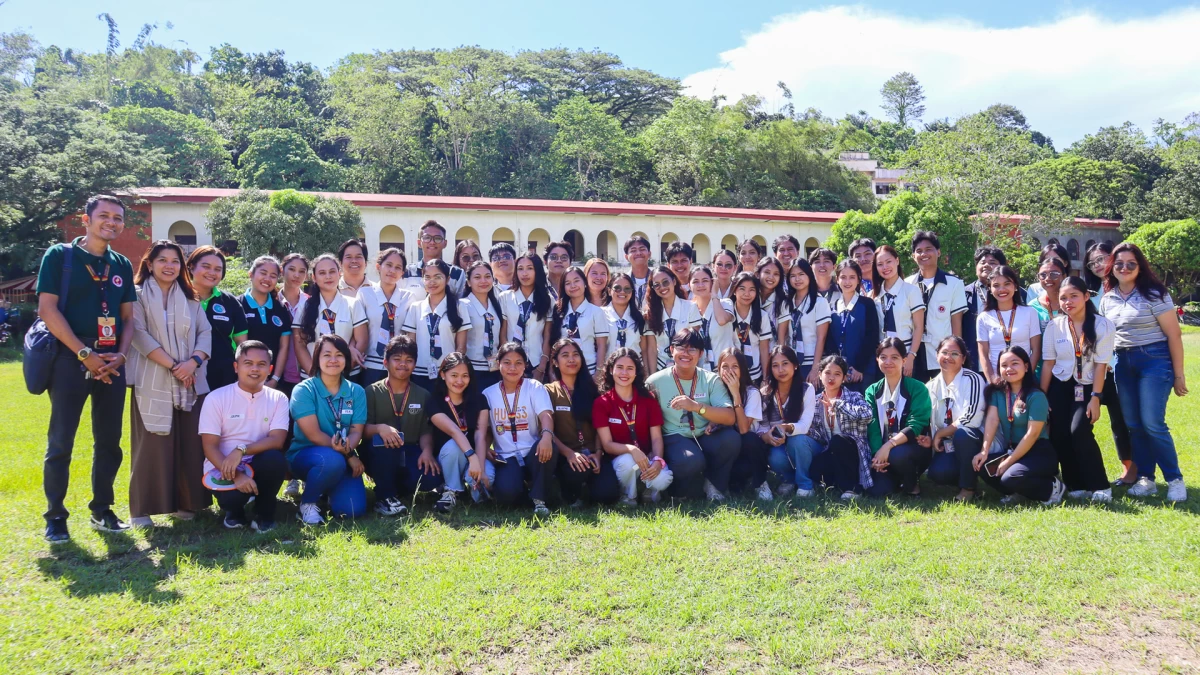
Climate Reality Philippines holds the Tacloban leg of Klima Eskwela: Climate Science, Arts and Action at Eastern Visayas State University.
Twelve years after Super Typhoon Yolanda wreaked havoc in Leyte, students of Eastern Visayas State University (EVSU) continue to remember experiencing the devastating impacts of climate change firsthand.
During Klima Eskwela: Climate Science, Arts and Action held at EVSU campus on Nov. 27-28, students shared how Yolanda reshaped their understanding of the climate crisis.
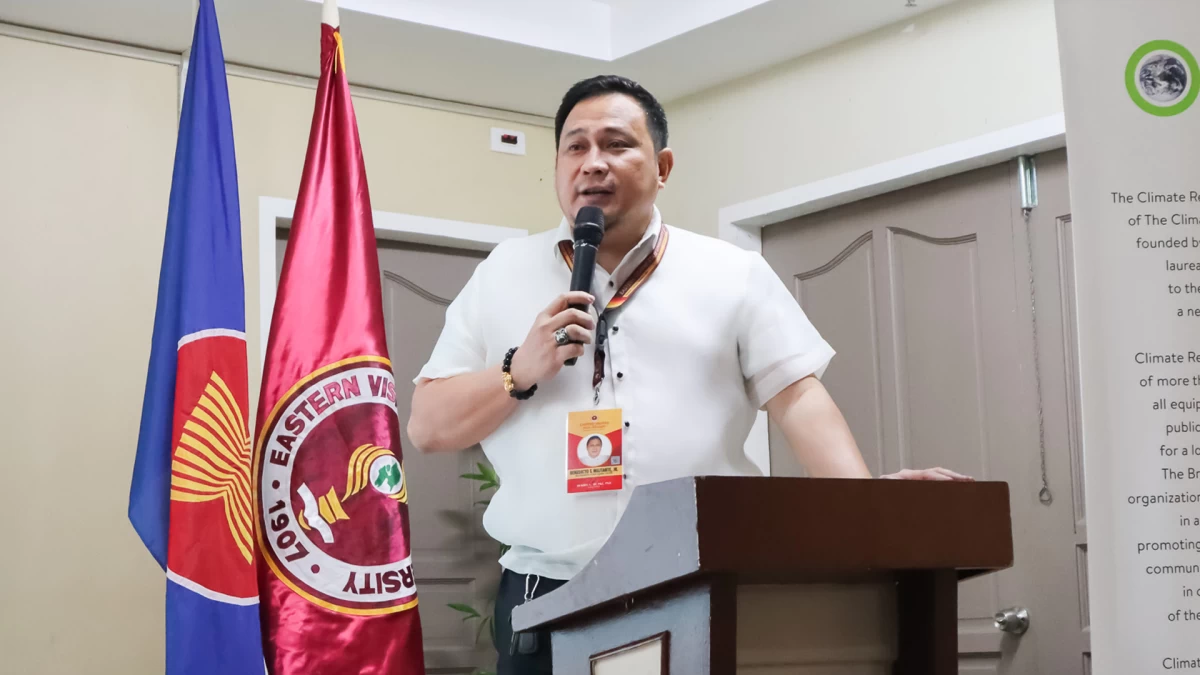
Dr. Benedicto Militante Jr., vice president for academic affairs of Eastern Visayas State University, opens the Klima Eskwela sessions attended by students and youth leaders.
“To our educators: be the spark that ignites curiosity. To our artists: paint the future we deserve. To our leaders and policymakers: turn words into deeds. And to our youth: you are the architects of tomorrow. Seize this moment,” said Dr. Benedicto Militante Jr., EVSU vice president for academic affairs, in his opening remarks.
Aimed at empowering the youth to lead grassroots climate action, Klima Eskwela connects climate science and plastics education with movement building. The program also spotlights the role of the plastic industry in emissions that worsen global warming, underscoring the need to eliminate single-use plastics in communities.
The Visayas leg of Klima Eskwela, held in Tacloban City, was the second this year, following the Mindanao leg at Caraga State University (CSU) in Butuan City. Another leg is scheduled in Luzon next year. Participants in Tacloban included students from various colleges and organizations across year levels, including members of the student government and the university publication.
“We have student leaders and youth gathered here — and you are the most important partners in this conversation. Climate change is already defining your generation's lifetime of leadership, and it's you who must take this dialogue forward,” said Atty. Rachel Anne Herrera, commissioner at the Climate Change Commission.
Despite differences in their encounters with extreme weather events, Klima Eskwela participants from various provinces recounted similar experiences in confronting the impacts of the climate crisis.
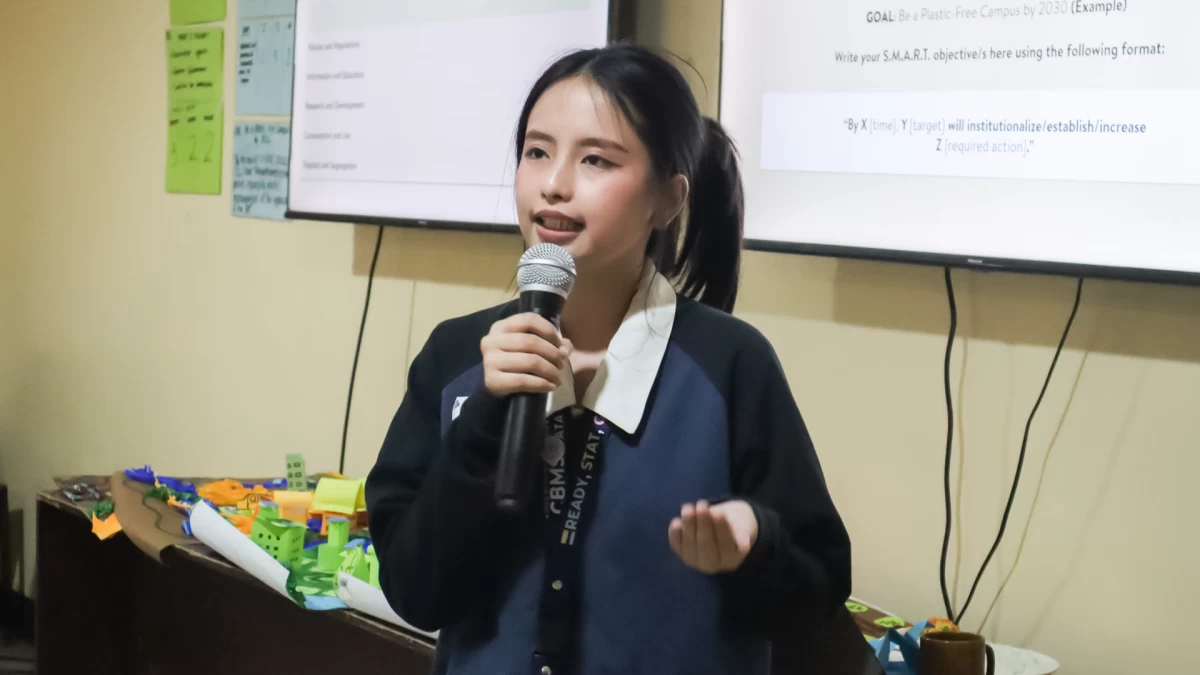
Lyanne Faye Malig-on, a fourth-year EVSU student, shares her experience with climate change.
“I was eight years old when Typhoon Yolanda hit Tacloban. I remember the fear, the sounds, and the days after — seeing our city broken and people helping one another survive. That experience made climate change real for me,” said Lyanne Faye Malig-on, a fourth-year EVSU student.
More than a decade has passed since she witnessed Yolanda batter her community, yet the memory remains vivid. Malig-on was among more than 60 students who participated in the two-day workshop, which covered a wide range of topics on the climate and plastic crises.
“Klima Eskwela helped me understand why these things are happening and what we can do, not just as victims, but as advocates. It gave me a space to talk about my fears and turn them into action,” she said.
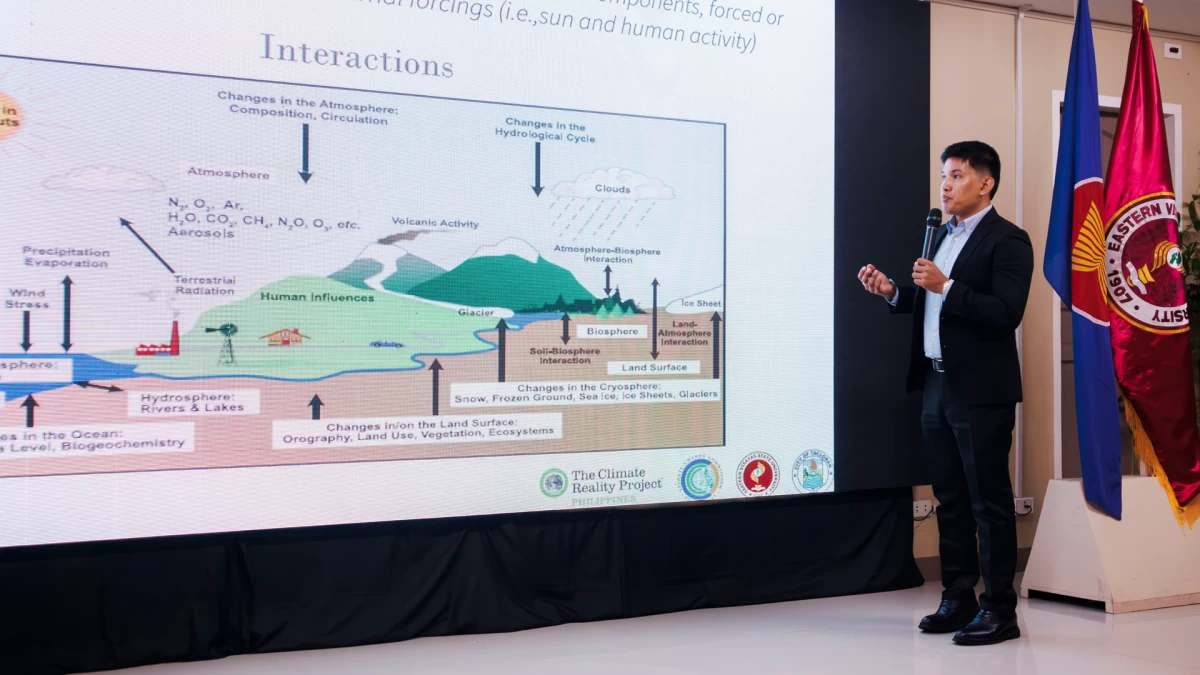
Charlindo Torrion, Climate Reality leader and Visayas State University director for disaster resilience and management, discusses the climate crisis.
Sessions included a lecture on climate science, as well as discussions on climate change impacts and solutions, led by Visayas State University Director for Disaster Resilience and Management, Mr. Charlindo Torrion.
On the other hand, Joseph Pilapil, Plastic-Free Reality program lead, emphasized that the plastic crisis is closely linked to climate change, with fossil fuel emissions as a common factor. He said zero waste approaches such as reducing unnecessary single-use plastics and promoting reuse and refill systems, can help curb plastic pollution.
Representatives from Tacloban City’s planning and environment offices also presented the city’s local climate action plan and solid waste management strategies, providing participants with local perspectives.
Students also took inspiration from stories of resilience and climate action shared by Mr. Arturo Tahup, director of community resilience at RE-Charge Pilipinas, who showcased the organization’s work in Eastern Visayas and success stories of its solar scholars, including some EVSU alumni.
Klima Eskwela lectures were designed to help students craft their own campus programs and policies addressing single-use plastics. Participants received training in project management and policy writing, led by Climate Reality Philippines interim branch manager Aimee Oliveros and Erwin Husmalaga, development management officer IV of the Climate Change Commission.
Students were introduced to the project management cycle and taught how to break down plastic pollution into specific, manageable issues. They also set goals and objectives across policy and regulation; information, education and communication (IEC); research and development; consumption and disposal.
EVSU students shared similar concerns with CSU students, including the presence of policies and initiatives, but weak implementation.
Both CSU and EVSU, as host schools for Klima Eskwela, were selected as recipients of seed grants for youth-led projects tackling plastic pollution in climate-vulnerable communities through Project Niche.
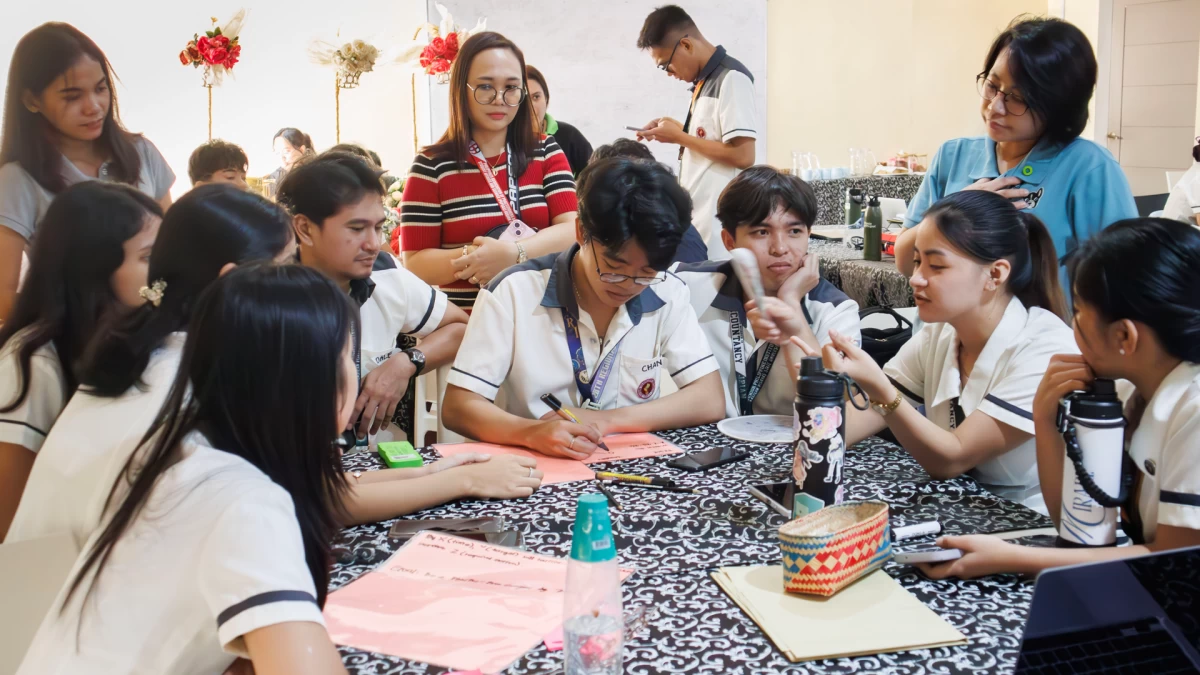
Klima Eskwela learners participate in a series of project management workshops focusing on solving the plastic crisis in their communities.
Project Niche is Climate Reality Philippines’ youth capacity-building and project incubator program that supports students in developing solutions to plastic waste challenges.
Throughout the sessions, students actively participated in open forum discussions, sharing their insights and perspectives.
The event concluded with a call to action for students to continue the conversations on climate action, speak as survivors and lead as advocates.
“You are Yolanda babies; that is a story you will carry for the rest of your lives. But today, we highlight that you are a generation of survivors. Do not forget —
you have the power to uplift your lives, your communities and our world,” Oliveros said.