






Manila Bulletin
 Environment and Sustainability
From promises to action: What 2026 must deliver for Philippine conservation
Environment and Sustainability
From promises to action: What 2026 must deliver for Philippine conservation
Environment and Sustainability
From promises to action: What 2026 must deliver for Philippine conservation
From promises to action: What 2026 must deliver for Philippine conservation
Published Jan 23, 2026 12:46 pm
|
Updated Jan 23, 2026 01:08 pm


Many Filipinos will likely agree that the current state of affairs has left the nation feeling tired, frustrated and deeply disheartened.
If 2025 taught us anything, it is that environmental protection can no longer remain a “nice-to-have.” It is our shield, our safety net and a critical source of long-term stability. When ecosystems fail, communities follow, along with livelihoods and future opportunities.
By many measures, 2025 was a difficult year for nature in the Philippines.
Manila Bay continued to lose its once-iconic horizon. Environmental defenders faced mounting pressure. Communities were battered by floods that exposed the fragile state of watersheds, weak land-use planning and the persistent shadow of corruption. Even renewable energy projects — vital to climate action — were at times poorly sited in environmentally sensitive areas, forcing communities into a false choice between clean energy and biodiversity protection, when responsible governance should allow both to coexist.
Still, we have not learned enough.
In January 2026, a landfill disaster in Cebu claimed lives — another grim reminder that failures in land use, waste management and governance can be deadly. Around the same time, reports described the Philippines as lagging behind its Southeast Asian neighbors in tourism, despite its extraordinary natural heritage. Meanwhile, news feeds remain filled by political quarrels, while ordinary Filipinos grapple daily with poverty, rising prices and food insecurity.
If these realities do not prompt national reflection, then it is worth asking what will.
With corruption investigations often falling short of public expectations, hope can feel scarce. Still, it is often during difficult moments that resolve is tested and strengthened. In uncertain times, choosing to care becomes an act of courage. Choosing to hope becomes a form of resistance.
The Philippine Development Plan 2023-2028, the country’s medium-term roadmap, speaks of sustainability, resilience and inclusive growth. These are important goals. But plans alone do not reassure communities. What people need to see are concrete actions that make life safer, healthier and more dignified.
Such actions are not impossible.
Environmental defenders must be protected, not harassed. Conservation efforts such as the Masungi Georeserve deserve genuine government support. Manila Bay reclamation requires clear, science-based direction. Reforestation programs must truly restore ecosystems, not recycle initiatives that have failed for decades. Structures that obstruct waterways and degrade forests must be removed. Renewable energy development must follow stronger rules that respect biodiversity and local communities.
The opportunities are there. What has been lacking is the will to act.
The Philippines’ hosting of the ASEAN Summit in 2026 offers an opportunity — not for glossy displays, but for tangible proof of environmental leadership. With thousands of visitors expected, the country can choose to showcase living examples of sustainable development: protected watersheds, thriving communities, clean coastlines, restored forests and policies backed by action, not in rhetoric.
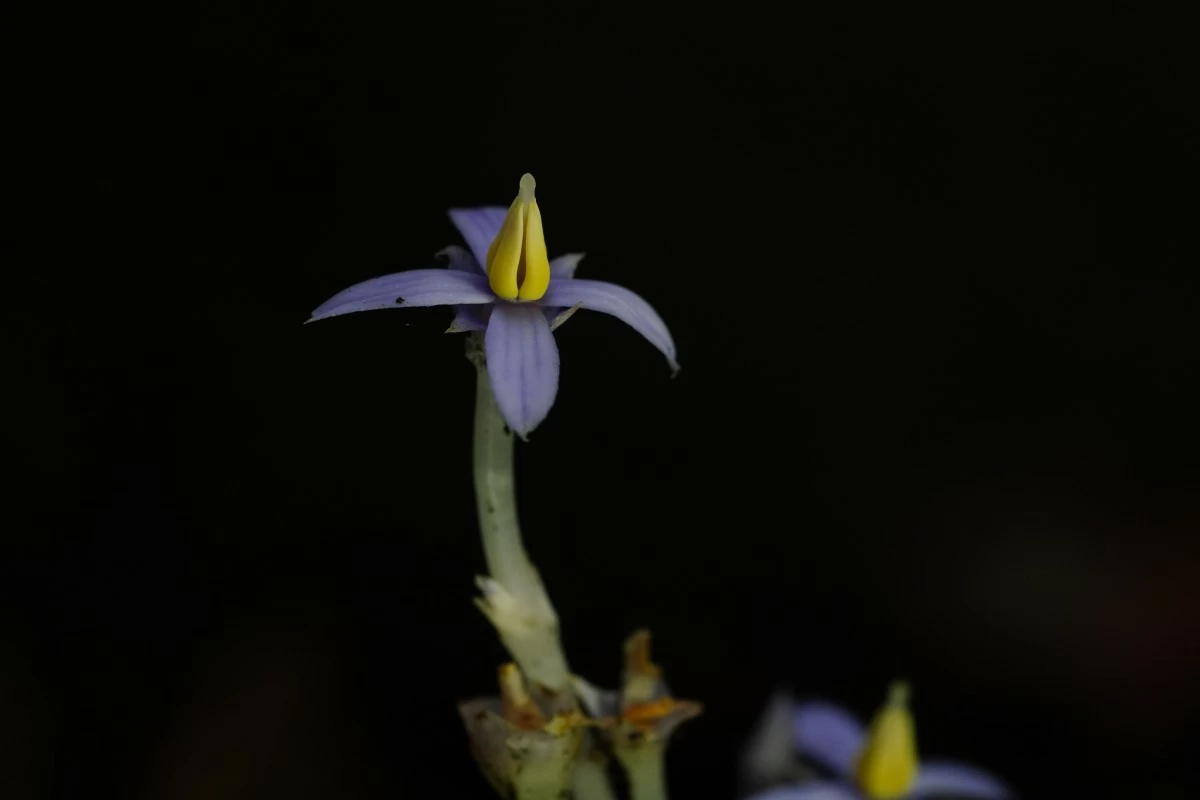
Exacum loheri
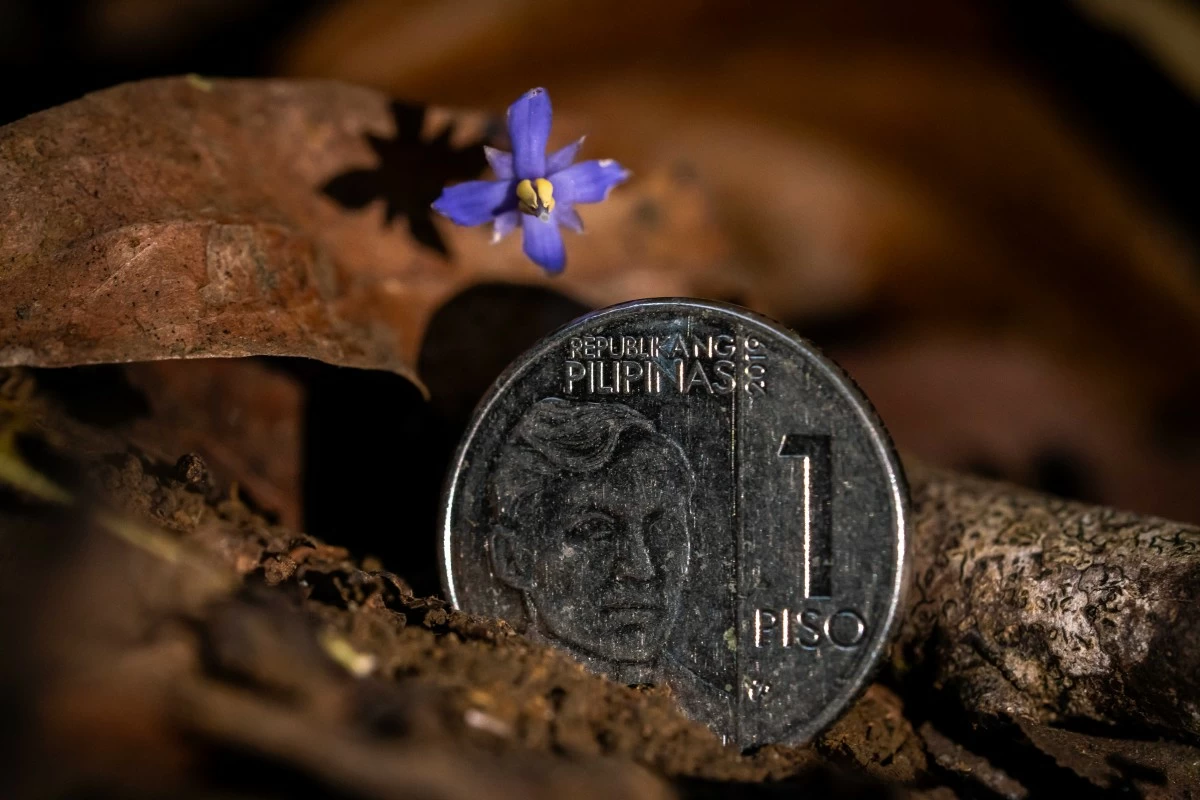
The flower of the E loheri vs. the one peso coin
Like Exacum loheri — a fungi-dependent plant species rediscovered in the Masungi Georeserve after more than 130 years — hope can disappear from view for long periods, only to return when conditions allow it to grow.
There will be setbacks, losses and long silences. But there will also be rediscoveries, recoveries and renewed purpose.
It is in moments of uncertainty that persistence matters most.
Through persistence — grounded in science, community and courage — the Philippines can still shape a future where both nature and its people thrive.