








At A Glance
- The controversial vlogger's post-release narrative suggests he has learned nothing—except how to monetize suffering.
Russian vlogger Vitaly Zdorovetskiy is free—and judging by his own words, unapologetic.
After spending 290 days detained in the Philippines and eventually deported and blacklisted, Zdorovetskiy marked his release with seeming bravado.
In Instagram posts, he framed his incarceration as a badge of honor: surviving rats, cockroaches, isolation, and tropical heat.
“They really tried to break me but it built me,” he wrote, going on to tease an upcoming documentary about it all.
His tone raises an uncomfortable but necessary question: was the punishment a real deterrent, or merely fresh content?
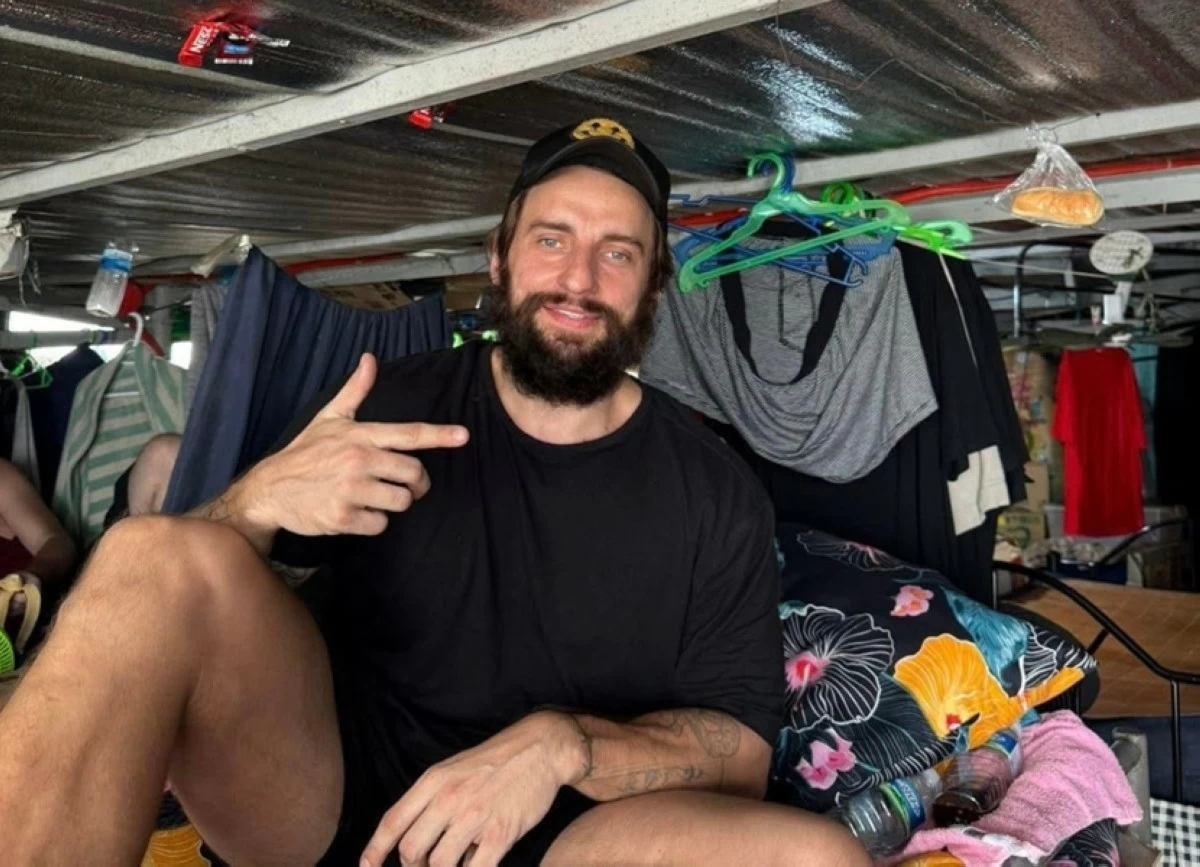
On paper, the Philippine government did what it was supposed to do. Authorities arrested him, filed charges for unjust vexation, theft, and public harassment, declared him an “undesirable alien,” detained him for nine months—including 91 days in isolation—and ultimately deported and blacklisted him. The message was clear: foreign influencers are not above local laws.
Yet deterrence is not only about the severity of punishment, but about its impact.
Zdorovetskiy’s post-release narrative suggests he has learned nothing—except how to monetize his incarceration. His jail time is now a marketable storyline, his deportation a dramatic arc, his lack of accountability a marketing hook.
If anything, the experience appears to have reinforced the very behavior that got him jailed: provocation without consequence, outrage as currency.
This exposes a larger problem. In the influencer economy, even incarceration can be profitable. Delayed enforcement, platform monetization, and the global reach of social media allow creators to reap rewards long before the law catches up. By the time consequences arrive, the damage—humiliation, fear, disruption—has already been banked as views.
The Philippines closed the loopholes legally. But to truly deter the next Vitaly, enforcement must be faster, platforms must cut off monetization, and notoriety must stop being rewarded.