






Manila Bulletin
 Philippines
National
'Walang edad ang edukasyon': DepEd's Enhanced ALS opens flexible learning pathways for out-of-school Filipinos
Philippines
National
'Walang edad ang edukasyon': DepEd's Enhanced ALS opens flexible learning pathways for out-of-school Filipinos
Philippines
National
'Walang edad ang edukasyon': DepEd's Enhanced ALS opens flexible learning pathways for out-of-school Filipinos
'Walang edad ang edukasyon': DepEd's Enhanced ALS opens flexible learning pathways for out-of-school Filipinos
Revised ALS curriculum will be fully implemented nationwide starting SY 2026–2027, aligning basic literacy and equivalency programs with K–12 while enhancing life and employability skills
Published Jan 22, 2026 01:25 pm


At A Glance
- DepEd's enhanced ALS offers out-of-school learners flexible, competency-based pathways aligned with K to 12 program
- The enhanced ALS strengthens literacy, life skills, and employability for education, training, or work
- By SY 2026–2027, the revised ALS will be fully implemented with community support and trained teachers
At 81, Eduardo Saplala is learning to read and write for the first time.
A member of the Aeta community in Barangay Camias, Porac, Pampanga, Saplala walks into a modest community learning space not to relive a missed childhood, but to claim a long-delayed right—education.
His journey is no longer an exception the Department of Education (DepEd) hopes to celebrate sparingly, as it announced on Thursday, January 22, the rollout of an enhanced Alternative Learning System (ALS).
DepEd’s Alternative Learning System (ALS) is a parallel, non-formal education program that serves out-of-school youth and adults by providing literacy and life skills training, as well as pathways to complete basic education.
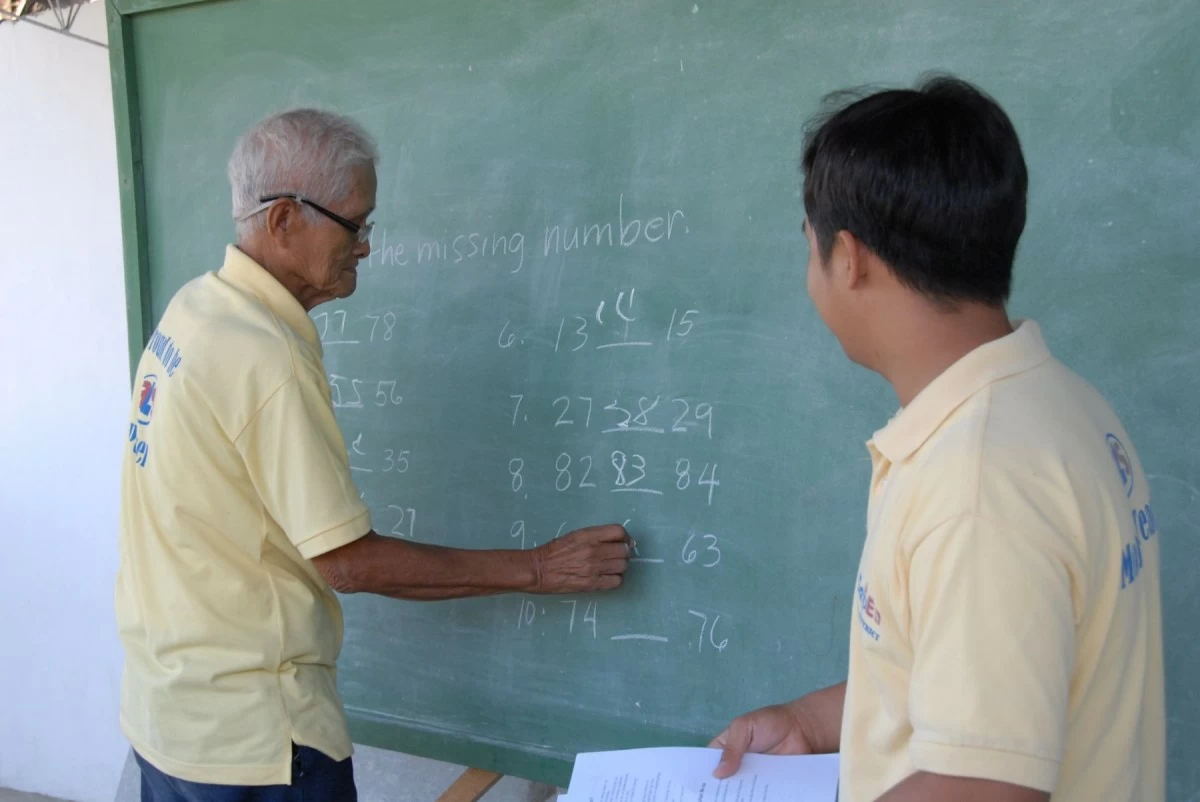
The Department of Education (DepEd) rolls out an enhanced Alternative Learning System (ALS) program nationwide, providing flexible learning for out-of-school children, youth, and adults. (DepEd photo)
Learning without limits
Under the newly enhanced ALS, DepEd said stories like Saplala’s are becoming the model.
“Patunay si Mang Eduardo na walang edad ang edukasyon (Mang Eduardo is proof that education knows no age),” DepEd Secretary Sonny Angara said in a statement.
“Sa Alternative Learning System, may ikalawang pagkakataon ang bawat Pilipino (In the Alternative Learning System, every Filipino is given a second chance),” he added.
Aimed at widening flexible learning pathways for out-of-school children, youth, and adults, DepEd is aligning the ALS program more closely with the formal K to 12 curriculum while strengthening employability and life skills.
“Pinapalakas natin ang ALS para maging tunay na alternatibo—hindi pansamantala, hindi panghuli, kundi isang lehitimong landas ng edukasyon (We are strengthening ALS so that it becomes a true alternative—not temporary, not secondary, but a legitimate pathway of education),” Angara said.
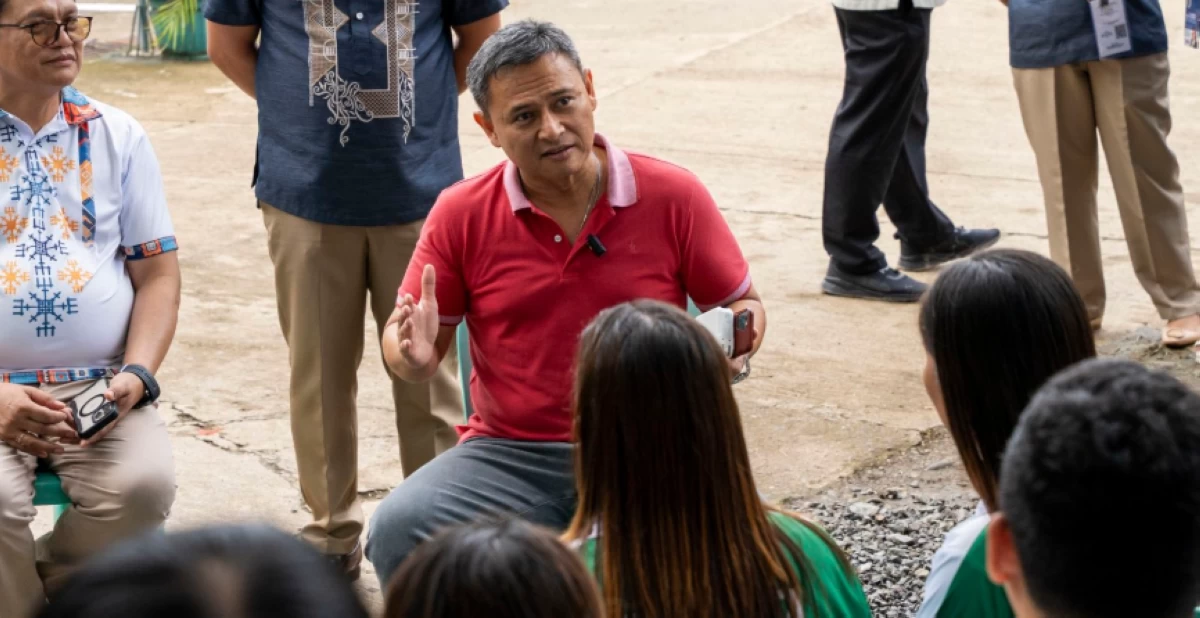
DepEd Secretary Sonny Angara leads reforms to institutionalize flexible learning pathways through the updated ALS framework aligned with the K to 12 curriculum. (DepEd photo)
DepEd has rolled out sweeping reforms to ALS to widen flexible learning pathways for out-of-school children, youth, and adults—bringing the program closer to the formal K to 12 curriculum while strengthening employability and life skills.
Through flexible options such as the Basic Literacy Program (BLP) and the Accreditation and Equivalency (A&E) Program under ALS, DepEd said learners can earn certificates equivalent to those in the formal school system.
In Saplala’s case, he is currently enrolled in the BLP under ALS Pampanga. The program caters to out-of-school youth and adults with little to no literacy skills by helping them learn basic reading, writing, and numeracy.
DepEd said Saplala’s return to school was made possible by features designed precisely for learners like him: community-based instruction, flexible pacing, and competency-based assessment.
These elements—once unevenly applied—are now formally embedded in national policy, DepEd said.
A system rebuilt
DepEd said the ALS reforms are anchored on DepEd Order No. 1, s. 2026, which standardizes ALS delivery nationwide and expands options for out-of-school learners.
The policy aligns ALS competencies more closely with K to 12, institutionalizes flexible learning modalities, recognizes prior learning, and introduces micro-certifications to formally document skills gained.
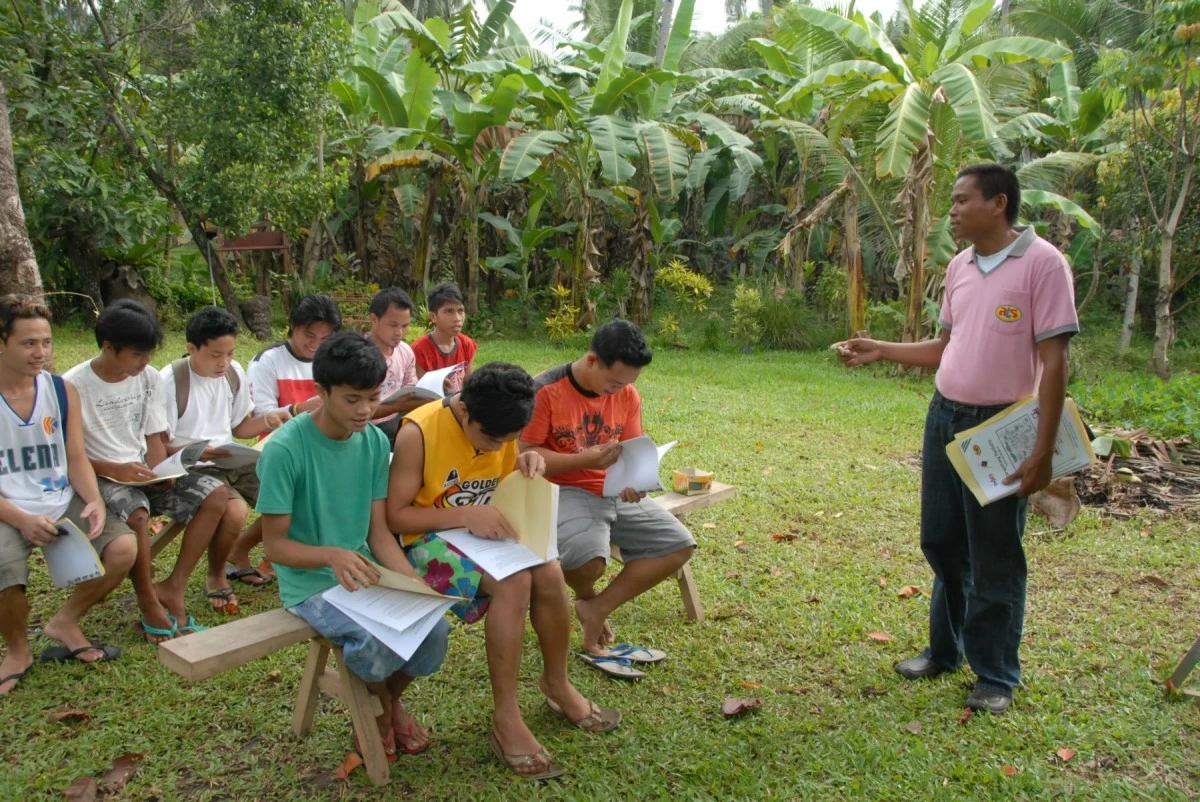
The enhanced ALS emphasizes life skills, employability, and readiness for further education or work, supporting President Marcos’ education agenda. (DepEd photo)
Under the revised framework, learners progress based on demonstrated mastery—not age or length of enrollment. Individual learning agreements and portfolio-based assessments now guide progress, allowing learners to enter, pause, and resume education depending on work, family, or health realities.
For many ALS learners, DepEd said this flexibility is the difference between dropping out again and finishing.
Pathways beyond the classroom
The order clarifies equivalent pathways across ALS programs, including basic literacy, accreditation and equivalency (A&E) at the elementary and junior high school (JHS) levels, and senior high school (SHS) offerings.
After completing ALS, learners may return to formal schooling, pursue technical-vocational certification, or move directly into employment—depending on their goals and competencies.
For DepEd, this clearer set of pathways is critical to restoring confidence in ALS credentials and ensuring learning translates into real opportunities.
Community effort, national scale
The enhanced ALS framework also underscores the role of local governments, universities and colleges, non-government organizations, and private partners in delivering education closer to communities.
These partners help operate community learning centers and provide access to facilities, learning materials, and specialized instruction.
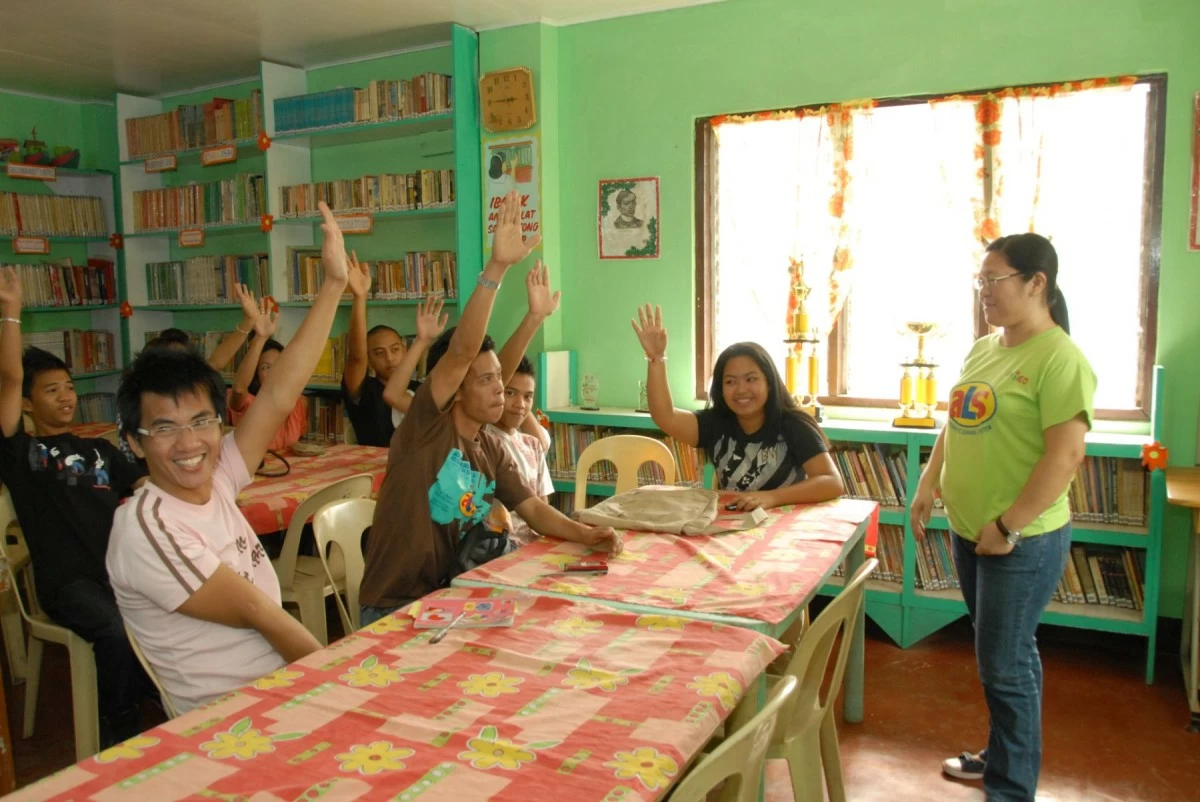
Learners gather at a community learning center under DepEd’s enhanced Alternative Learning System. (DepEd photo)
At the same time, DepEd has institutionalized capacity-building for ALS teachers and implementers, including training on the revised curriculum, learner assessment, and blended learning delivery.
Monitoring and evaluation systems have also been tightened to track completion rates and post-ALS transitions nationwide.
Full rollout by SY 2026–2027
Beginning School Year (SY) 2026–2027, all schools division offices are directed to fully implement the revised ALS curriculum for Basic Literacy and A&E programs.
Separate guidelines will follow for a strengthened ALS senior high school track, DepEd said.
For DepEd, success will not be measured solely by policy compliance—but by learners like Saplala, steadily reclaiming an education once thought out of reach.
As Angara put it, the goal of ALS is simple but transformative: education that meets Filipinos where they are and walks with them forward—no matter how late the journey begins.