ADVERTISEMENT

REDMI Note Series hits 460 shipments, strengthening Xiaomi's mid-range position

Published Jan 22, 2026 09:47 am
Xiaomi has reported that as of September last year, their active users reached over 740 million, with the REDMI Note Series being a major contributor to this milestone, hitting shipments over 460 million units across 100 countries.
With a strong momentum propelling Xiaomi forward, they intend to further strengthen their market position with this month's launch of the REDMI Note 15 Series.
"Over the past decade, the REDMI Note Series has earned the trust of users across global markets, and this is inseparable from Xiaomi's long-term investment in research and development," said Cynthia Chen, REDMI marketing director, Xiaomi Global Marketing Department. "Since the series first launched in Singapore 12 years ago, we have continuously advanced performance, quality, and accessibility at scale. This month, we're excited to introduce the latest REDMI Note 15 Series to audiences around the world."
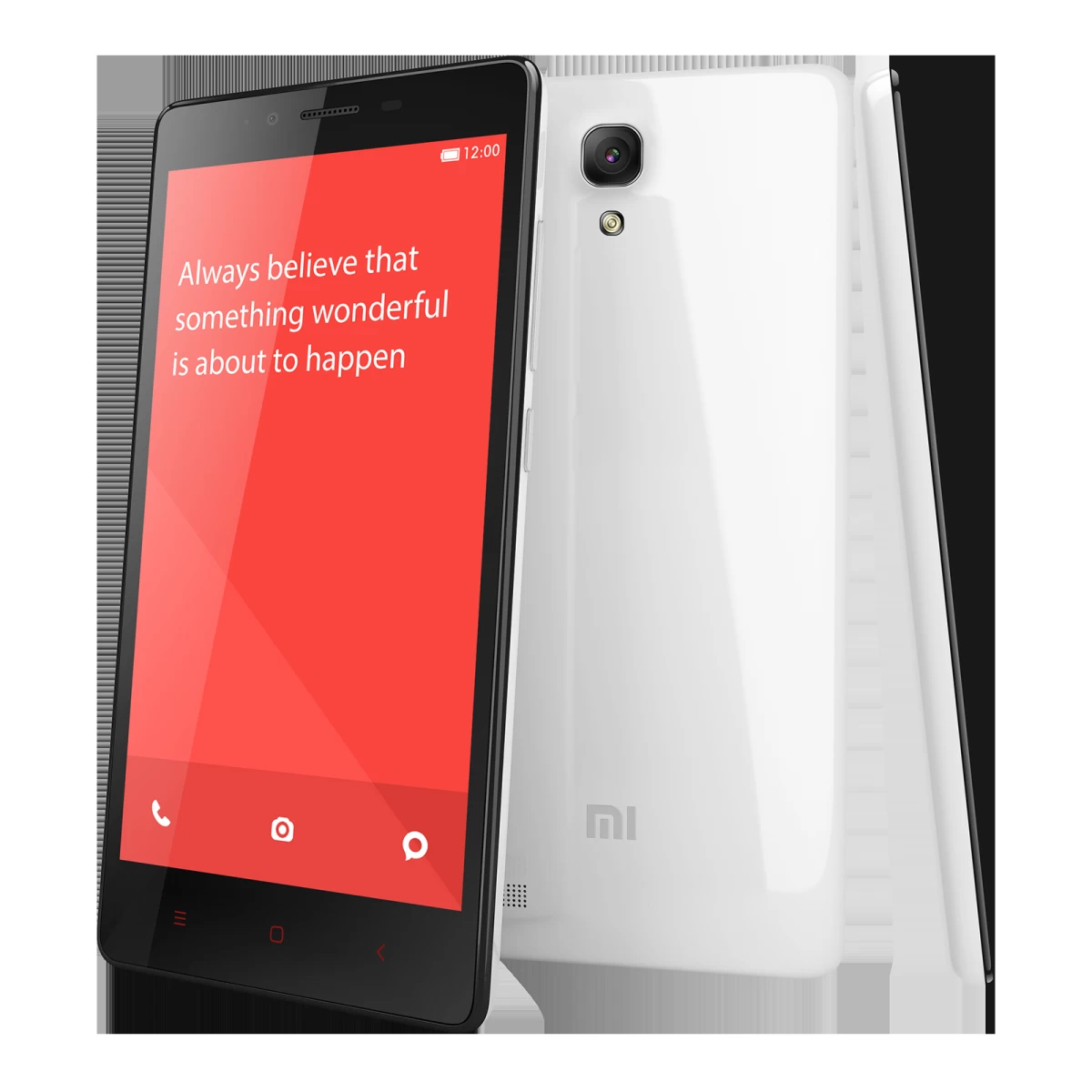
Xiaomi prides itself with the balance of performance, quality, and accessibility, along with the REDMI Note Series helping drive global smartphone adoption. The series made its first appearance in 2014 at Singapore, which then later gained traction in other countries such as India and soon in Mexico. The first REDMI Note model featured a 5.5-inch display and with a 3000mAh, which, at that time, were remarkable and almost exclusively seen in more expensive, flagship models.
Camera technology highlights this evolution. REDMI Note Series has frequently led its segment in imaging innovation. REDMI Note 12 Pro+ 5G marked a key milestone with the introduction of a 200MP camera featuring optical image stabilization, the first OIS-equipped camera in REDMI Note Series history. Paired with a flagship-level 1/1.4" sensor and 120W HyperCharge, the device brought features previously reserved only for premium devices.
Launching globally this month, REDMI Note 15 Series marks the next phase in the evolution of the lineup, reinforcing the series' position through continued advancements in durability, performance, and user experience. Featuring REDMI Titan Durability, REDMI Note 15 Series delivers long-lasting battery performance, reinforced drop protection, and enhanced dust- and water-resistance across models, reflecting its focus on everyday reliability.
REDMI Note 15 Series further narrows the gap between accessible smartphones and premium flagships by introducing a broader range of flagship-level technologies, including Silicon-Carbon Battery technology, Xiaomi IceLoop cooling system, and multiple AI-powered capabilities designed to support performance stability and intelligent usage scenarios.
At the top of the lineup, REDMI Note 15 Pro+ 5G showcases the series' most advanced hardware configuration to date, featuring a new 200MP ultimate-clarity camera powered by a globally debuting HPE sensor. It also delivers comprehensive IP66/IP68/IP69/IP69K dust and water resistance and carries SGS 5-stars Premium Performance Certification, underscoring the series' continued push to elevate smartphone standards.
Behind this steady evolution across the REDMI Note Series is Xiaomi's long-term commitment to research and development. The series' ability to consistently introduce advanced technologies at more accessible price points is underpinned by investment across core technologies, engineering, and manufacturing capabilities.
According to the earnings report, Xiaomi had invested RMB 23.5 billion (approximately USD 3.3 billion) in R&D in the first three quarters of 2025, with plans to increase this investment to RMB 40 billion (approximately USD 5.7 billion) in 2026.
This scale of investment is reflected in Xiaomi's expansive global research footprint. The company has established a comprehensive R&D network spanning more than 730 laboratories across 11 cities worldwide.
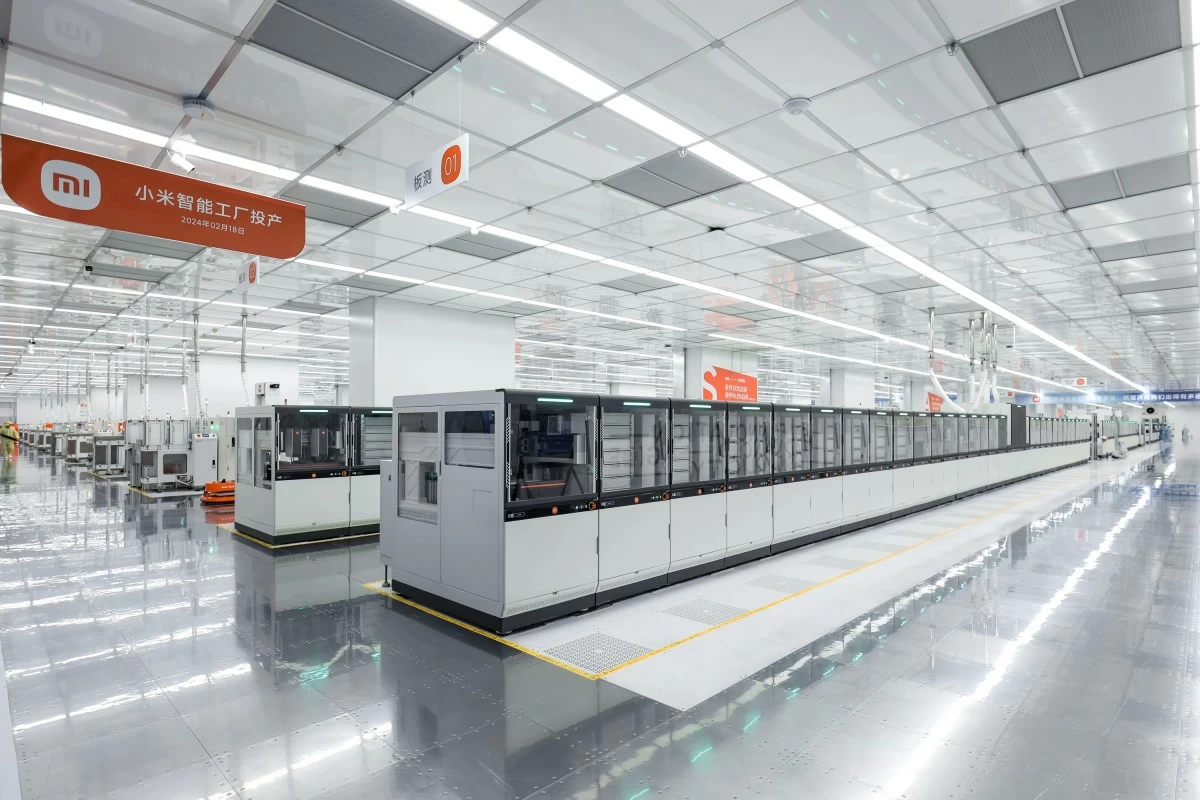
Xiaomi Smart Factory. Beijing, China.
Complimenting these R&D capabilities is Xiaomi's state-of-the-art in-house smart manufacturing infrastructure, including the Xiaomi EV Factory in Beijing, China, which commenced operations in 2023, and the Xiaomi Smart Home Appliance Factory in Wuhan, China, which began operations in October 2025. The Xiaomi Smart Factory in Beijing — Xiaomi's central hub for smartphone manufacturing and research—began operations in 2024 and demonstrates the efficiency of the company's advanced manufacturing systems, with finished smartphones rolling off the line just six seconds apart. Together, these facilities strengthen Xiaomi's ability to scale innovation and quality from development to mass production.
ADVERTISEMENT
.most-popular .layout-ratio{ padding-bottom: 79.13%; } @media (min-width: 768px) and (max-width: 1024px) { .widget-title { font-size: 15px !important; } }

{{ articles_filter_1561_widget.title }}

.most-popular .layout-ratio{ padding-bottom: 79.13%; } @media (min-width: 768px) and (max-width: 1024px) { .widget-title { font-size: 15px !important; } }

{{ articles_filter_1562_widget.title }}

.most-popular .layout-ratio{ padding-bottom: 79.13%; } @media (min-width: 768px) and (max-width: 1024px) { .widget-title { font-size: 15px !important; } }

{{ articles_filter_1563_widget.title }}

{{ articles_filter_1564_widget.title }}

.mb-article-details { position: relative; } .mb-article-details .article-body-preview, .mb-article-details .article-body-summary{ font-size: 17px; line-height: 30px; font-family: "Libre Caslon Text", serif; color: #000; } .mb-article-details .article-body-preview iframe , .mb-article-details .article-body-summary iframe{ width: 100%; margin: auto; } .read-more-background { background: linear-gradient(180deg, color(display-p3 1.000 1.000 1.000 / 0) 13.75%, color(display-p3 1.000 1.000 1.000 / 0.8) 30.79%, color(display-p3 1.000 1.000 1.000) 72.5%); position: absolute; height: 200px; width: 100%; bottom: 0; display: flex; justify-content: center; align-items: center; padding: 0; } .read-more-background a{ color: #000; } .read-more-btn { padding: 17px 45px; font-family: Inter; font-weight: 700; font-size: 18px; line-height: 16px; text-align: center; vertical-align: middle; border: 1px solid black; background-color: white; } .hidden { display: none; }
function initializeAllSwipers() { // Get all hidden inputs with cms_article_id document.querySelectorAll('[id^="cms_article_id_"]').forEach(function (input) { const cmsArticleId = input.value; const articleSelector = '#article-' + cmsArticleId + ' .body_images'; const swiperElement = document.querySelector(articleSelector); if (swiperElement && !swiperElement.classList.contains('swiper-initialized')) { new Swiper(articleSelector, { loop: true, pagination: false, navigation: { nextEl: '#article-' + cmsArticleId + ' .swiper-button-next', prevEl: '#article-' + cmsArticleId + ' .swiper-button-prev', }, }); } }); } setTimeout(initializeAllSwipers, 3000); const intersectionObserver = new IntersectionObserver( (entries) => { entries.forEach((entry) => { if (entry.isIntersecting) { const newUrl = entry.target.getAttribute("data-url"); if (newUrl) { history.pushState(null, null, newUrl); let article = entry.target; // Extract metadata const author = article.querySelector('.author-section').textContent.replace('By', '').trim(); const section = article.querySelector('.section-info ').textContent.replace(' ', ' '); const title = article.querySelector('.article-title h1').textContent; // Parse URL for Chartbeat path format const parsedUrl = new URL(newUrl, window.location.origin); const cleanUrl = parsedUrl.host + parsedUrl.pathname; // Update Chartbeat configuration if (typeof window._sf_async_config !== 'undefined') { window._sf_async_config.path = cleanUrl; window._sf_async_config.sections = section; window._sf_async_config.authors = author; } // Track virtual page view with Chartbeat if (typeof pSUPERFLY !== 'undefined' && typeof pSUPERFLY.virtualPage === 'function') { try { pSUPERFLY.virtualPage({ path: cleanUrl, title: title, sections: section, authors: author }); } catch (error) { console.error('ping error', error); } } // Optional: Update document title if (title && title !== document.title) { document.title = title; } } } }); }, { threshold: 0.1 } ); function showArticleBody(button) { const article = button.closest("article"); const summary = article.querySelector(".article-body-summary"); const body = article.querySelector(".article-body-preview"); const readMoreSection = article.querySelector(".read-more-background"); // Hide summary and read-more section summary.style.display = "none"; readMoreSection.style.display = "none"; // Show the full article body body.classList.remove("hidden"); } document.addEventListener("DOMContentLoaded", () => { let loadCount = 0; // Track how many times articles are loaded const offset = [1, 2, 3, 4, 5, 6, 7, 8, 9, 10]; // Offset values const currentUrl = window.location.pathname.substring(1); let isLoading = false; // Prevent multiple calls if (!currentUrl) { console.log("Current URL is invalid."); return; } const sentinel = document.getElementById("load-more-sentinel"); if (!sentinel) { console.log("Sentinel element not found."); return; } function isSentinelVisible() { const rect = sentinel.getBoundingClientRect(); return ( rect.top < window.innerHeight && rect.bottom >= 0 ); } function onScroll() { if (isLoading) return; if (isSentinelVisible()) { if (loadCount >= offset.length) { console.log("Maximum load attempts reached."); window.removeEventListener("scroll", onScroll); return; } isLoading = true; const currentOffset = offset[loadCount]; window.loadMoreItems().then(() => { let article = document.querySelector('#widget_1690 > div:nth-last-of-type(2) article'); intersectionObserver.observe(article) loadCount++; }).catch(error => { console.error("Error loading more items:", error); }).finally(() => { isLoading = false; }); } } window.addEventListener("scroll", onScroll); });

Sign up by email to receive news.