







Post-EDSA youth resurgence: New hope beyond 2028
By Sonny Coloma
Published Jan 22, 2026 12:00 am
|
Updated Jan 21, 2026 05:21 pm


ENDEAVOR
The post-EDSA bureaucracy under President Cory Aquino aimed for a new ethos of transparency, and accountability, a sharp departure from the legacy of its predecessor that was overthrown by People Power. Focal points of attention were professionalization and rebuilding of institutions that accentuated government's role in a democratic, people-power-driven state, though challenges with old elites and new media persisted.
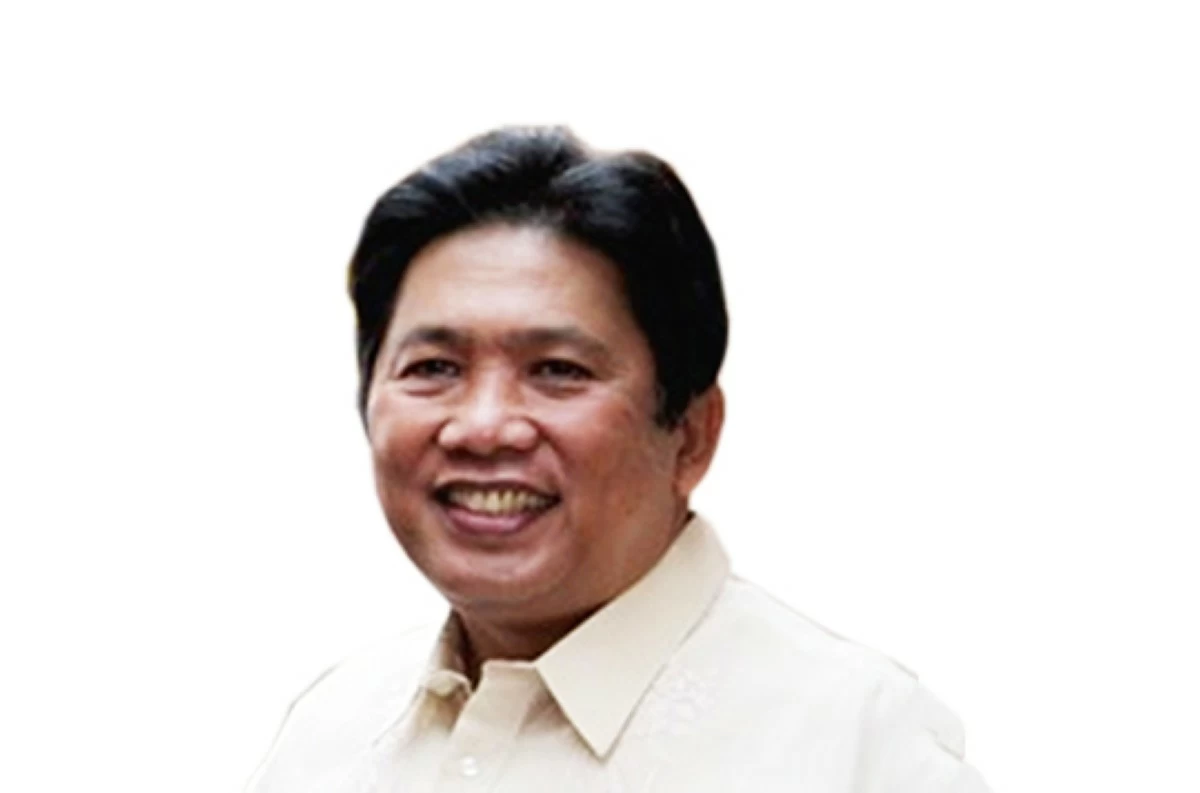
Such was the setting in which Aniceto ‘Chito’ Sobrepeña who passed away last Jan. 12 thrived. Chito served under the tutelage of then Cabinet Secretary Jose ‘Ping’ de Jesus who was the preeminent management guru in the Cory Cabinet. Then in his early 30's, Chito typified the new genre of youthful executives in the government service who basked in the afterglow of post-EDSA People Power.
In late 1989, I was privileged to serve in Pres. Aquino’s Executive Office staff to take on the leadership of the Presidential Management Staff (PMS) which, together with the office of the Cabinet Secretary (CabSec)was responsible for the holding of regular Cabinet meetings as well as inter-agency coordination and consultation to fast-track implementation of priority government projects.
Chito Sobrepeña paved the way by dint of the highly competent staff he had assembled. Completed staff work was their mantra. This included conducting thorough research on background information, eliciting inputs from all concerned stakeholders; and assembling the facts in a manner that even the busiest executives — as all the Cabinet members were — could digest the information even if the materials were read by them on the eve of the meeting.
It was truly a most beneficial tour of duty. I learned many lessons that I carried forward with me when I served in the administrations of President Joseph Ejercito Estrada and Benigno S. Aquino III.
Even in the current milieu that is afflicted by much skepticism brought on by massive government corruption, it is heartwarming to note that there is no lack of idealistic young leaders — typified by party-list Rep. Renee Co in the House of Representatives and Kiko Aquino Dee, a co-convenor of the Trillion Peso March protest movement — who are carrying the torch for good governance upon which the country’s resurgence from the present doldrums must be rooted.
We are also highly encouraged by the high youth turnout in the 2025 midterm elections. In several university campuses, we conducted to promote the Matalinong Boto 2025: Balitang Tapat para sa Payapang Halalan campaign, an initiative designed to spread awareness especially among the youth on an electoral process that is anchored on integrity, truth, and peace. In every school, there was a palpable enthusiasm among our youth to join the crusade for honest elections, and choose the most qualified candidates when they cast their ballots.
Our efforts were not in vain. Echoing Comelec Chairman George Garcia, the Manila Bulletin reported: “The youth vote came out in force… helping drive the highest voter turnout ever recorded for a non-presidential race.”
This is what gives many citizens sufficient optimism to look forward to the 2028 national elections in which a new President and Vice President will be chosen. We are hoping for a renascence of an EDSA People Power afterglow.
Hopefully, we shall witness the emergence of a dynamic tandem that is committed and capable of working together to chart a new course that is unlike the beaten path of rancor and mediocrity. How we wish there will be a winning senatorial slate populated by a new breed of leaders. In our cities, municipalities and provinces, let us elect mayors and governors who will tap into the wellsprings of local autonomy, and deliver basic services with dispatch and efficiency.
Long-term memory is fading, but I recall that in the aftermath of EDSA People Power in 1986, we witnessed the election of new public officials from the ranks of activists and civil society advocates, such as Jejomar Binay, Rene Saguisag, and Joker Arroyo. Also significant was the harnessing into government service of private sector leaders like Jesus Estanislao, Renato Valencia and Corazon dela Paz. They injected competence and efficiency in key offices in the executive branch, particularly in public finance and state insurance.
Another development that sparks optimism is the emergence of Church leaders who are leading their flock in being catalysts for change and reform. In the last two major public rallies held last on Sept. 21 and Nov. 30 last year, they led parish-based delegations of citizens who openly avowed their disdain against government corruption —and signaled their solidarity with civil society in a broad-based coalition for good government. We hope that their enthusiasm will be sustained well into the election season in 2028.
Key reforms in the education system form part of the movement that would, hopefully, bring on a healthy confluence of factors that propel social change. During Chito Sobrepeña’s watch, the Metrobank Foundation beamed national attention on outstanding teachers in both basic and higher education sectors, while honoring, too, well-performing military and police officers who exemplified dedication in public service.
“Walang bibitiw. Lahat magkapit-bisig.” Let’s all link arms and vigorously pursue meaningful change and reforms.
Comments may be sent to [email protected]