







DA gunning for 300,000 MT rice imports by February
Published Jan 22, 2026 06:45 pm


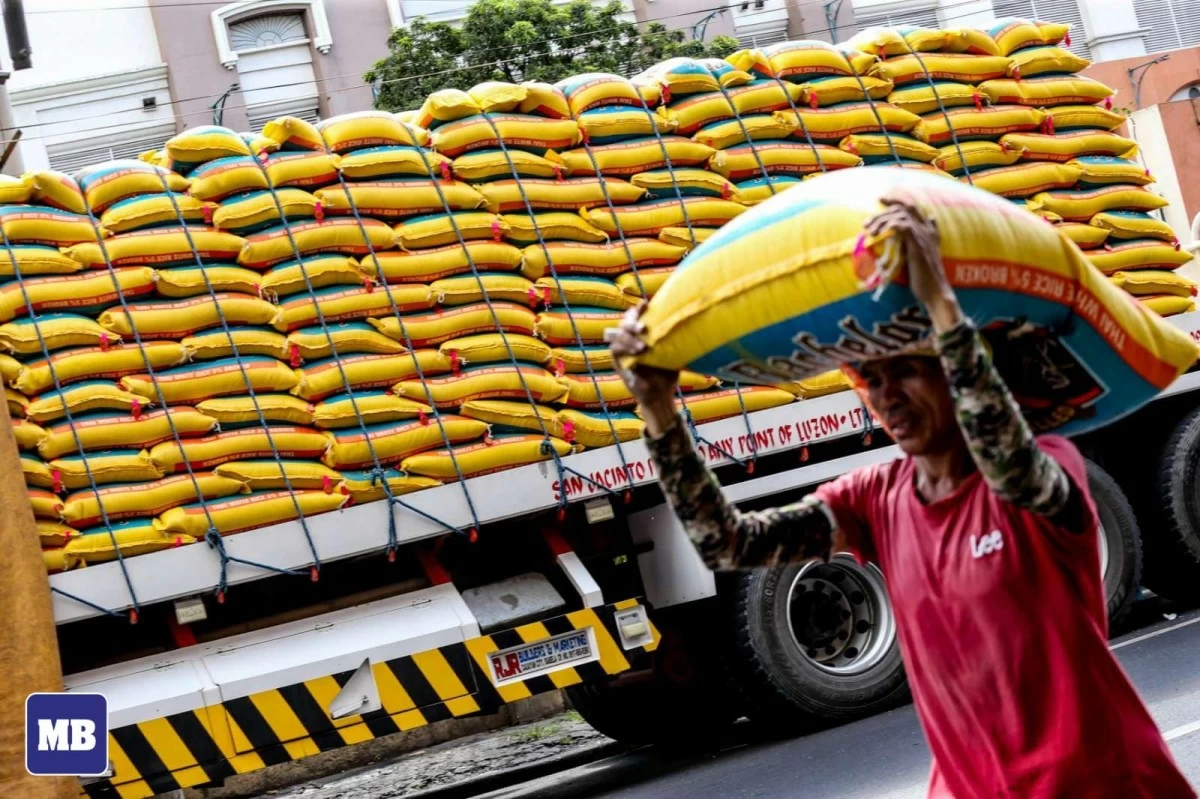
(Manila Bulletin file photo)
The Department of Agriculture (DA) is considering allowing only 300,000 metric tons (MT) of imported rice by the end of next month with the aim of stabilizing the supply of the commodity without hurting farmgate prices.
Agriculture Secretary Francisco Tiu Laurel said he recently met with key stakeholders of the rice industry to get their input on “appropriate” rice imports volumes for the country.
Tiu Laurel said imports, which only resumed last Jan. 1, should keep retail prices stable and ensure prices of palay (unmilled rice) remain protected as the peak of the harvest season approaches.
Based on the estimates presented by various importers on the volume of rice, he said the DA is keen on allowing only 300,000 MT of rice next month to temper price pressures.
The proposed volume is still subject to further review based on market developments.
Given the country’s liberalized rice policy, such a restriction is not mandatory but rather a form of voluntary cooperation among stakeholders.
Based on the updated guidelines of the Bureau of Plant Industry (BPI), importers may now apply for sanitary and phytosanitary import clearances (SPSICs), with all shipments required to arrive on or before Feb. 28.
“Consignments arriving beyond the said date will not be allowed for release and must be returned to the source country on the expense of the importer,” the BPI said.
Based on BPI data, importers had already utilized 100 SPSICs as of Jan. 15 for the importation of 178,397 MT of milled rice.
The volume is nearly 70 percent higher than the combined import volume recorded in the last three months of 2025, when rice imports were still suspended.
With the return of imported rice in the market, Tiu Laurel said he has secured firm commitments from rice millers and importers that they will continue supporting local farmers.
Tiu Laurel noted that traders agreed to purchase wet palay at no less than ₱17 per kilo and ₱21 per kilo for dry, depending on the quality.
“Farmer prices are non-negotiable. Whatever import volume we agree on, farmers must be protected,” he said.
In addition, Tiu Laurel said the National Food Authority (NFA) will not compete with traders in buying palay, provided that buying price remain at or above agreed minimum levels.
He also clarified that rice tariffs, which was initially set to increase to 20 percent from the current 15 percent, will not be raised until February.
“Final operational details will be carefully managed to avoid unnecessary market speculation,” he said.
Tiu Laurel stressed that the government is initiating these measures to prevent a collapse in farmgate prices in the harvest season.
Harvesting is already underway in parts of Nueva Ecija and Nueva Vizcaya, with more areas expected to enter harvest by February, including Pangasinan, Ilocos, Bulacan, and La Union.
The DA projects large harvest volumes by the middle of March, with milling activity to ramp up further in the following month.