







Cooperation beyond differences
On the threshold of the second 50 years of China-Philippines relations
Published Jan 22, 2026 12:02 am
|
Updated Jan 21, 2026 06:27 pm


By H. E. JING QUAN
Ambassador of the People’s Republic of China to the Philippines
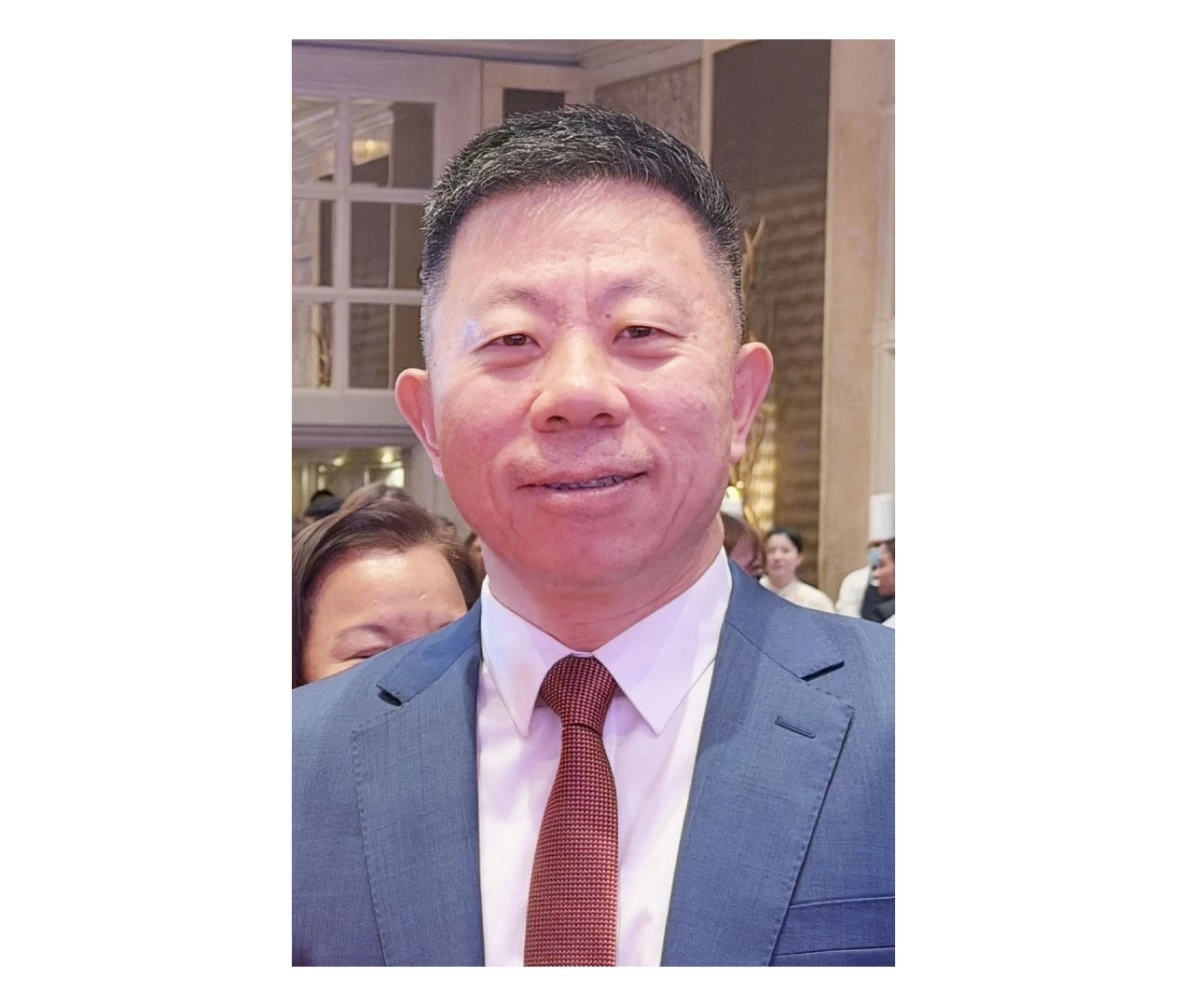
Ambassador of the People’s Republic of China to the Philippines
(Speech delivered during the Chinese Embassy’s New Year media party on Jan. 20, 2026.)
I want to take this opportunity to thank you all for your support and help to our embassy, and I hope we can become old friends as soon as possible.
I’ve been here in the Philippines for a little over one month. As ambassador, I will firmly safeguard national interests and dignity while serving as a bridge to ensure that China-Philippines relations move toward stability rather than deterioration, and that the two peoples grow closer rather than further apart. I know the task ahead is demanding, but I remain confident and look forward to receiving strong support from all sides.
You can imagine, I’ve been very busy over the last month. Sometimes I attended as many as seven different events just in one day. I’ve been to some places, and I’ve met many people, including government officials, business community, journalists, students, workers, and ordinary Filipinos. I have been deeply impressed by their hospitality, kindness, friendliness and the smiles. That makes my heart feel so warm.
Just a month’s time, we heard both good news like the 14-day visa free policy to Chinese citizens, and bad ones like incidents occurring on the Sea. We’ve seen rumors spreading to demonize China. But all people I met wish that the situation in the South China Sea could stabilize and our relations improve. That gave me great confidence.
There are maritime disputes between China and the Philippines, which in recent years have become more pronounced. China also has land or maritime disputes with several other neighbors, including India, Vietnam, and Japan. But through dialogue, we found solutions, or at least we managed the tensions. I believe that China and the Philippines also have the ability and wisdom to properly manage our differences.
None of the Filipino friends I have met hopes that our two countries would come into conflict. Neither does China. Any conflict would inevitably harm the long-term relationship between the two neighboring countries.
The best option is to sit down for talks and solutions in a diplomatic way. At present, the diplomats on the two sides are working toward this goal, and have already reached preliminary consensus on a roadmap for the next stage dialogue and negotiation. This year, the Philippines is chairing the ASEAN. Both sides hope to accelerate negotiations on the Code of Conduct in the South China Sea. To this end, consultations are becoming more frequent and more intensive.
Even if we cannot reach a solution quickly, it’s essential for us to keep communication channels open, refrain from provocative or confrontational actions, and prevent tensions from escalating.
The South China Sea issue is only one portion of China–Philippines relations. We still need to have the bigger picture in mind. As President Marcos said, “let us not allow these differences to define our relationship.” “Our differences should be the exception in our ties rather than the norm.”
Over the past decade, China has consistently been the Philippines’ largest trading partner and largest source of imports. China never seeks the trade imbalance. Instead, we welcome the Philippines exporting more to China, especially high-quality agricultural goods such as durian, mangoes, and bananas. At last year’s China International Import Expo, three durian exporters from Davao concluded deals worth 36.6 million US dollars.
I am pleased to note that BYD electric vehicles are very popular in the Philippines. Labubu is also adorable to Filipino youths, and Pop Mart has opened its fourth store in Manila. Mixue Ice Cream and Chagee milk tea are popular on the streets, while KKV and Miniso attract large crowds in shopping malls. Huawei, Vivo, and Xiaomi cellphones and other electronic products are selling big.
At the same time, I hope that more China’s High-Tech could be used here, in areas such as solar, new energy, environmental protection, and the digital economy, so as to support fast and better economic development in the Philippines.
Recently, we have been discussing garbage-to-energy cooperation with local business community and governments. At present, landfill remains the primary method of garbage disposal in the Philippines. This approach is inefficient, polluting, and dangerous. Chinese companies, however, possess advanced technologies. If introduced in Manila, such technologies could process up to 10,000 tons of garbage per day, helping to protect the environment, in addition to generating 2 billion kilowatt-hours of electricity annually. This would mean significant reduction in electricity prices.
Last month, the China-aided Bucana Bridge over the Davao River was successfully completed and opened to traffic, shortening travel time from two hours to just 20 minutes. In addition, Chinese companies are currently building one bridge in Manila and another in Davao. Once finished, these projects will greatly improve local transportation and promote economic and social development.
There are many such kind examples, and the potential for China–Philippines cooperation is enormous. While I’d say, sound economic and trade relations require stable political relations and a more favorable business environment. Over the past two years, Chinese investment in the Philippines has lagged far behind that in other ASEAN countries, exceeding only that in Brunei. I hope as our political relations improve, trade and investment will also see substantial growth.
The Philippines and China, we are neighbors, and neighbors should always learn from each other, help each other, and respect each other. The two peoples are both good and friendly people, and the two peoples should always like each other. There is no any reason for them to hate each other.
China regards the Philippines as a friend and a neighbor, and offers sincere assistance without seeking anything in return. China’s development is not a threat to the Philippines; it is an opportunity.
As I often say to people I have met: China’s friends can also be the US’s friends. And the US’ friends can also be China’s friends. This is not a zero-sum game. The Philippines does not need to choose sides, nor rely on one to counter the other. Like other ASEAN countries, it can maintain sound relations with both China and the United States. This best serves the Philippines' fundamental and long-term interests.
Last week, the Philippine side announced a 14-day visa-free policy for Chinese citizens. We welcome this positive gesture. We believe it will lead to a new wave of Chinese tourists.
However, in recent years, criminal cases such as kidnappings and scams targeting Chinese citizens have had a very negative impact. We hope to further strengthen law enforcement cooperation with the Philippine side, jointly combat transnational crime, bring more criminals to justice, protect the legitimate rights and interests of Chinese citizens, and ensure the safety for normal people-to-people exchanges.
The stable development of China–Philippines relations requires joint efforts from all sectors. Media professionals, in particular, shoulder an important responsibility. You are the one who documents events, who transmits information and opinions, and who shapes public perception.
The Chinese Embassy serves as a bridge for promoting friendship and cooperation between our two countries, and also as a fortress in safeguarding China’s national interests and dignity. We welcome constructive dialogue and discussion, including on differences and disputes, but we oppose groundless attacks and smears. If fake news are spread, if China is defamed or if hatred is incited, we will not remain patient and silent. We will push back firmly without hesitation. This is our duty. We have every legitimate right to let the public be aware of the basic facts and China’s position.
I hope that our friends in the media will always uphold objectivity and fairness, allow the public to hear authentic voices from all sides, not just one side, and play a positive role in promoting China–Philippines friendship and improving bilateral relations.
We also welcome friends from all sectors of the Philippine society, especially members of the media, to visit China. Come and see with your own eyes. Experience a real, diverse, and comprehensive China. I hear that many Filipino friends enjoy visiting Chongqing, Zhangjiajie, and Harbin. The Harbin Ice and Snow Festival is now underway. So welcome to Harbin and play snowball!
Dear friends, China–Philippines diplomatic relations have just passed their 50th anniversary. Last month, right before I presented my credentials to President Marcos, in the holding room, I had a chance of reviewing many precious historical photographs capturing moments in our bilateral relations. I also saw a delicate commemorative album produced by the Federation of Filipino Chinese Chambers of Commerce and Industry, documenting the highlights of our friendly exchanges.
I deeply admire and respect the tremendous efforts made over the past 50 years by leaders, statesmen, media professionals, and people from all walks of life in both countries to promote China–Philippines friendship.
I hope that 50 years from now, when people celebrate the 100th anniversary of our diplomatic relations, and when they look back, they will also be very proud of what we are doing today.
Thank you.