







YouTube updates screen time management for kids
Published Jan 21, 2026 09:23 am


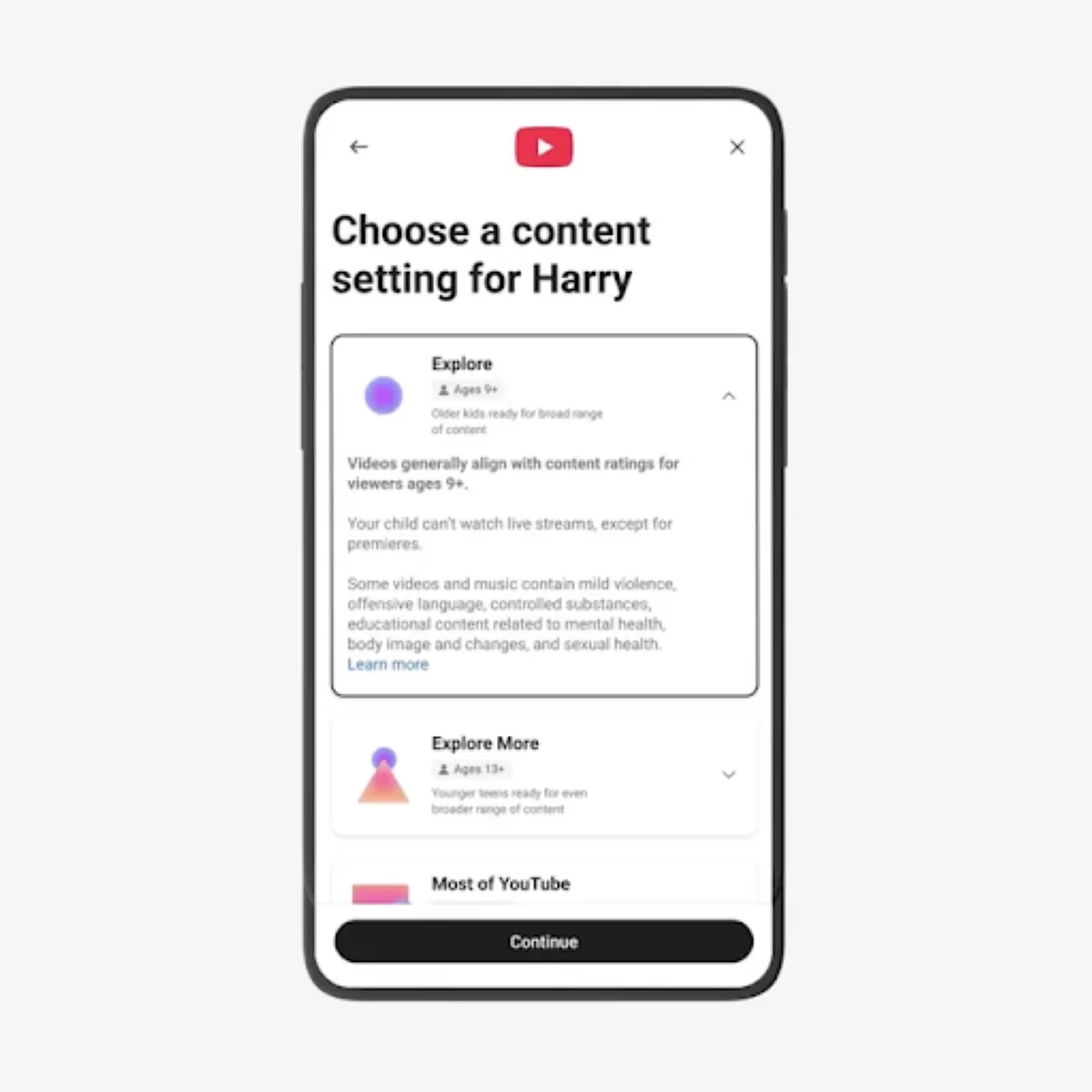
YouTube has launched new screen time features for parents to manage their kids' online activities.
One of this is Shorts Timer, giving kids and teens control over how long they can doomscroll through Shorts. Parents can select a period of time where kids are meant to focus on studying or doing homework, while allowing breaks in between.
Additionally, parents using supervised accounts can now customize "Bedtime" and "Break" reminders, building on existing health protections to ensure teens get enough rest.
Rolling out soon, YouTube recognizes how accounts are shared among family, especially between parents and their kids. So, YouTube will launch improvements on account switching, making it easier.
This ensures that every family member—from the youngest child to the oldest teen—gets a personalized viewing experience with content settings and recommendations suited to their age.
YouTube is also launching new principles and a guide for creators to help steer teens toward content that is fun, age-appropriate, and high-quality. However, this does not mean content will remain appropriate. There are content that are carefully disguised as meant for "kids" just because they look cartoony, people playing with dolls, or content creators who make "funny" content, but when given a closer look, are very inappropriate.
Developed in collaboration with global experts—including the American Psychological Association (APA) and the Digital Wellness Lab at Boston Children’s Hospital—these guidelines help YouTube’s systems prioritize educational and inspiring videos. This means high-quality content from channels like Khan Academy, CrashCourse, and TED-Ed will get more visibility, ensuring teens find the right balance of entertainment and learning.
"At YouTube, we believe in protecting children within the digital world, not from the digital world," said Jennifer Flannery O'Connor, vice president of product management, YouTube. "We’ve spent over a decade building tailored protections for our youngest viewers based on what parents and experts tell us they need: better controls, age-appropriate content, and simple account management."