







Tesla, Chery, and Nissan top their segments in DOE Fuel Eco Run
BEVs lead results while hybrids eclipse ICEs
By Inigo Roces
Published Jan 21, 2026 06:47 pm


At A Glance
- The DOE has released a list of the figures from their most recent economy run. This event gathered a large number of vehicles resulting in this bumper harvest of 50 vehicle results from 15 different auto brands.
- The results show that eight out of the overall top 10 are BEVs.
No doubt, many car buyers are putting efficiency among the top qualities they look for in their next car. To be fair, car brands have likely boasted about their efficiency with various consumption figures printed on the vehicles’ brochures.
To help consumers make more informed choices, the Department of Energy (DOE) frequently conducts fuel eco runs to determine these vehicles’ efficiency during actual driving.
You’ve likely seen these results in the past, however it’s hard to compare these figures in isolation. Thankfully, the DOE has released a list of the figures from their most recent economy run. This event gathered a large number of vehicles resulting in this bumper harvest of 50 vehicle results from 15 different auto brands.
One metric for all
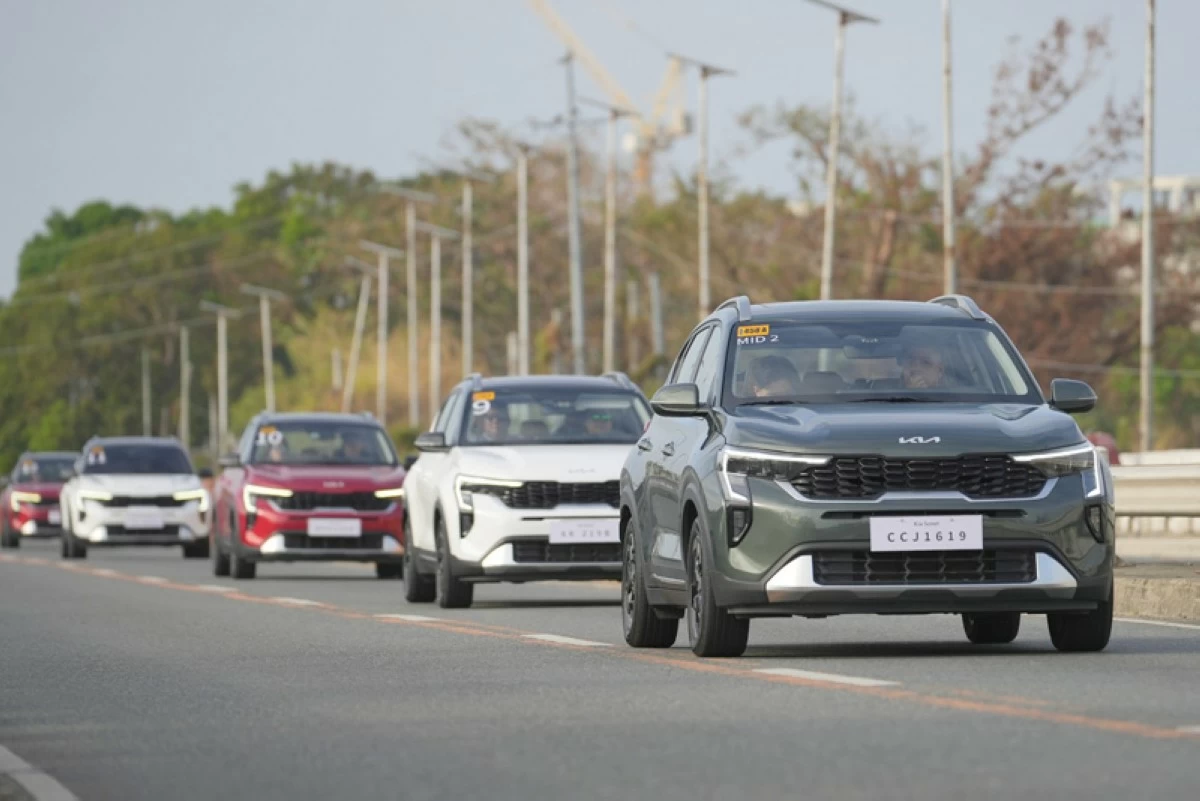
Below, we will sort the results according to the vehicles’ powertrain configurations, allowing buyers to better discern which is the most efficient vehicle in its category. Take note that efficiency figures are listed in km/Lge. The km/Lge figure refers to kilometers per liter in gasoline equivalent, a metric that combines both fuel and electricity use into a single number for easier comparison with conventional vehicles.
For full transparency, we’re also including the conversion formula the DOE used to acquire these figures so that readers can make the computations themselves or convert to a figure they’re more familiar with. Gas-powered vehicles have a 1 L to 1 Lge equivalent, diesel-fed vehicles, have a 1L diesel to 1.077 Lge conversion. Meanwhile, electric vehicles will have a 1 Lge to 8.89 kWh conversion.
The DOE’s fuel eco runs are designed to compare how different powertrain types behave over a controlled route that reflects real-world conditions as closely as possible. This round saw the participation of full electric vehicles, plug-in hybrid, hybrid, diesel, and gasoline-powered vehicles.
One fixed route
For this edition of the event — the last and possibly biggest for 2025 — the route covered roughly 156 kilometers. Vehicles started from Petron TPLEX Northbound, proceeded to a turnaround point at the Rosario rotunda in La Union, then headed back to finish at Petron TPLEX Southbound. The layout provided a mix of steady-speed expressway cruising and typical provincial highway traffic. Granted, this route, tends to highlight the strengths of hybrid and electrified powertrains.
Nonetheless, this long drive test should give buyers a more accurate metric of how their future vehicle might perform in a Philippine setting, given our unique, weather, traffic, and highway conditions.
Bear in mind that these results are populated by car brands that agreed to have their figures published. Brands like BYD, Ford, Hyundai, Jetour, Kia, and Mazda did participate in the event, but opted not to have their results published. Not all of the models of the participating brands were entered. Also, there are many brands that did not participate in the event, notably, some favorite German luxury brands. As such, we have no idea how these brands perform against the local competition. Nonetheless, we hope that the DOE will conduct more of these test so that we can better compare these vehicles against one another.
To keep the list short, we will limit it to the top 5 of the BEV, HEV, and ICE categories, respectively. The full list of published results can be viewed HERE.
Battery Electric Vehicles (BEVs)
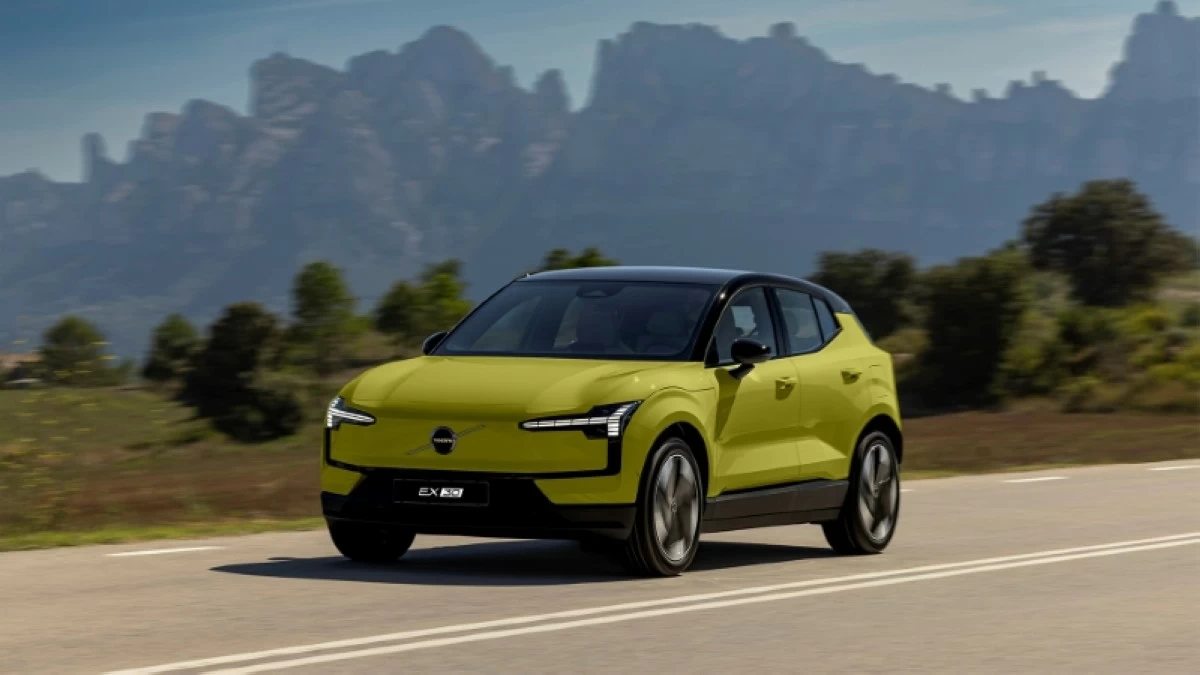
Volvo EX30
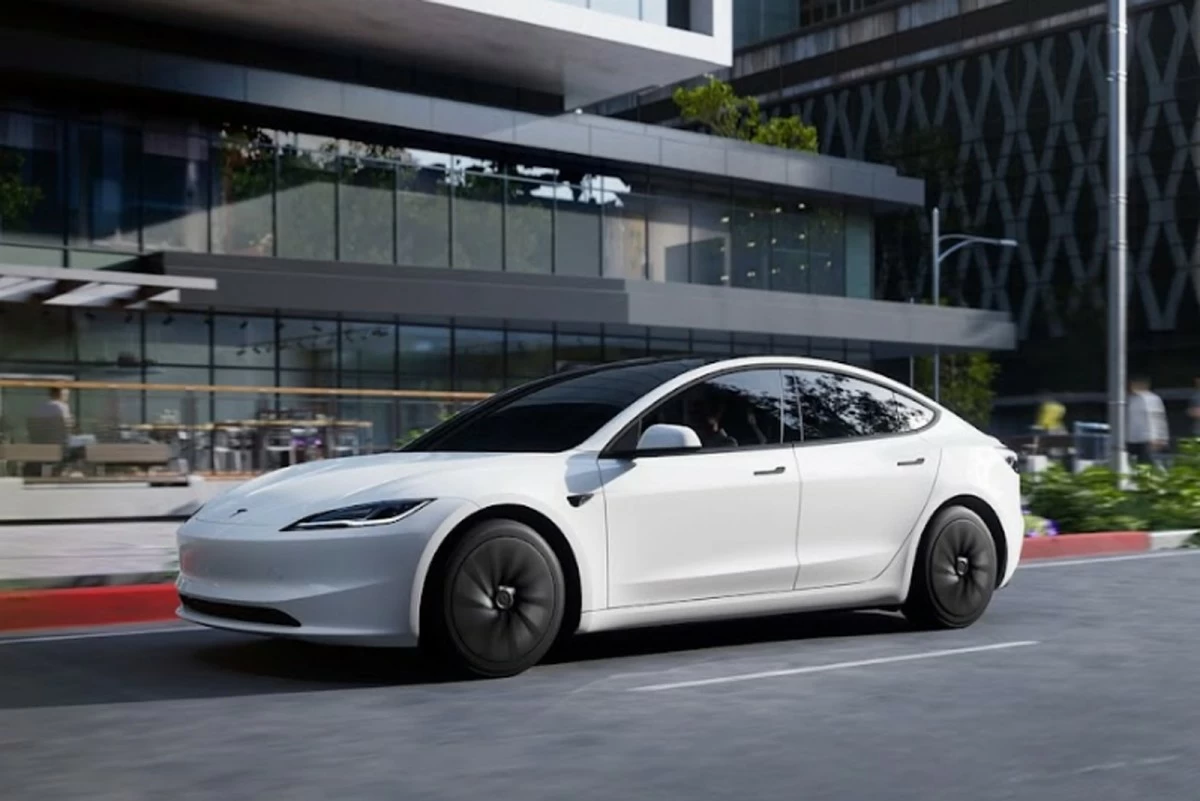
Tesla Model 3 Rear Wheel Drive
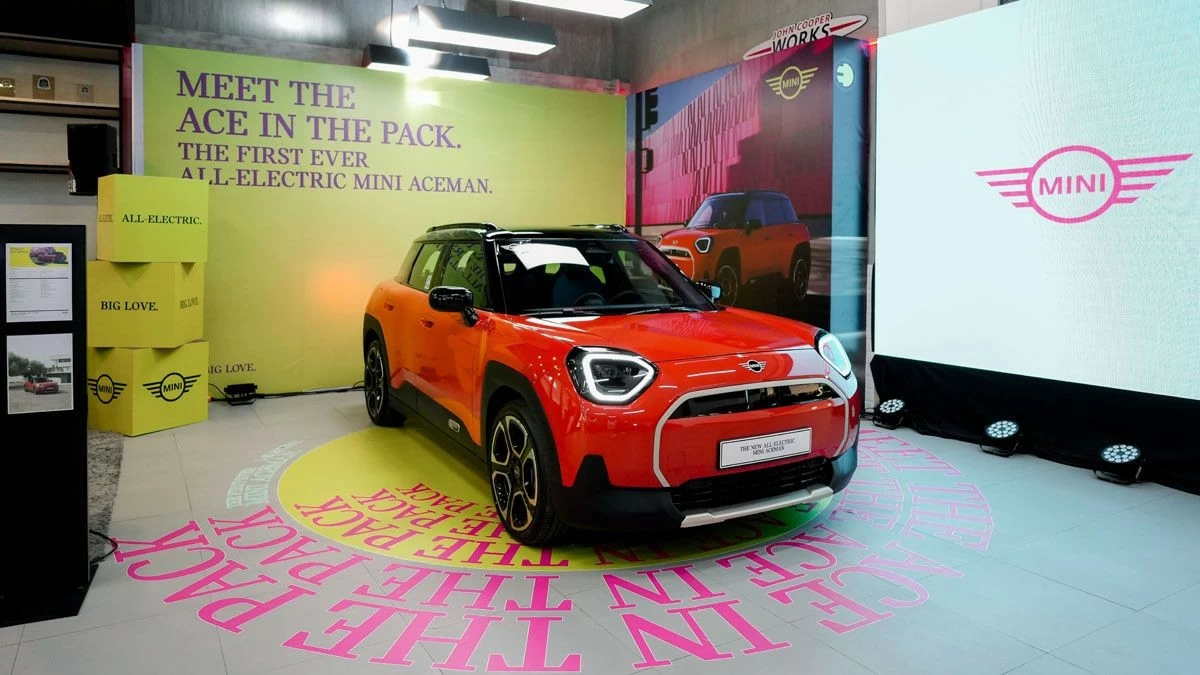
Mini Aceman EV
We begin our results with the top performers overall, most of which are pure electric vehicles, also called battery electric vehicles (BEVs). The results show that eight out of the Top 10 are all BEVs. Tesla had two vehicles in the podium, with the Model 3 and Modey Y taking first and third place respectively. This lookout was only broken by the Mini Aceman in second.
1. Tesla Model 3 Rear Wheel Drive - 92.81 km/Lge
2. Mini Aceman SE - 91.51 km/Lge
3. Tesla Model Y Rear Wheel Drive - 84.63 km/Lge
4. Volvo EX30 Ultra - 76.21 km/Lge
5. JMC EV3 330 - 75.28 km/Lge
Hybrid Electric Vehicles (HEVs)
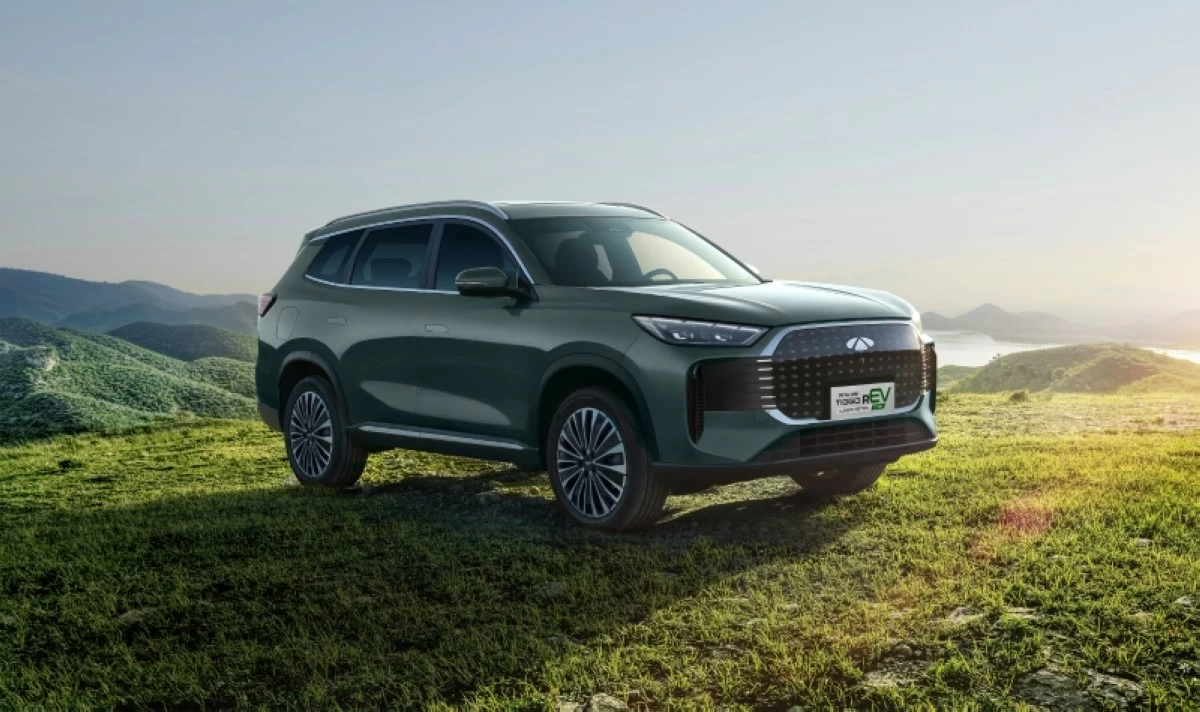
Chery Tiggo rEV
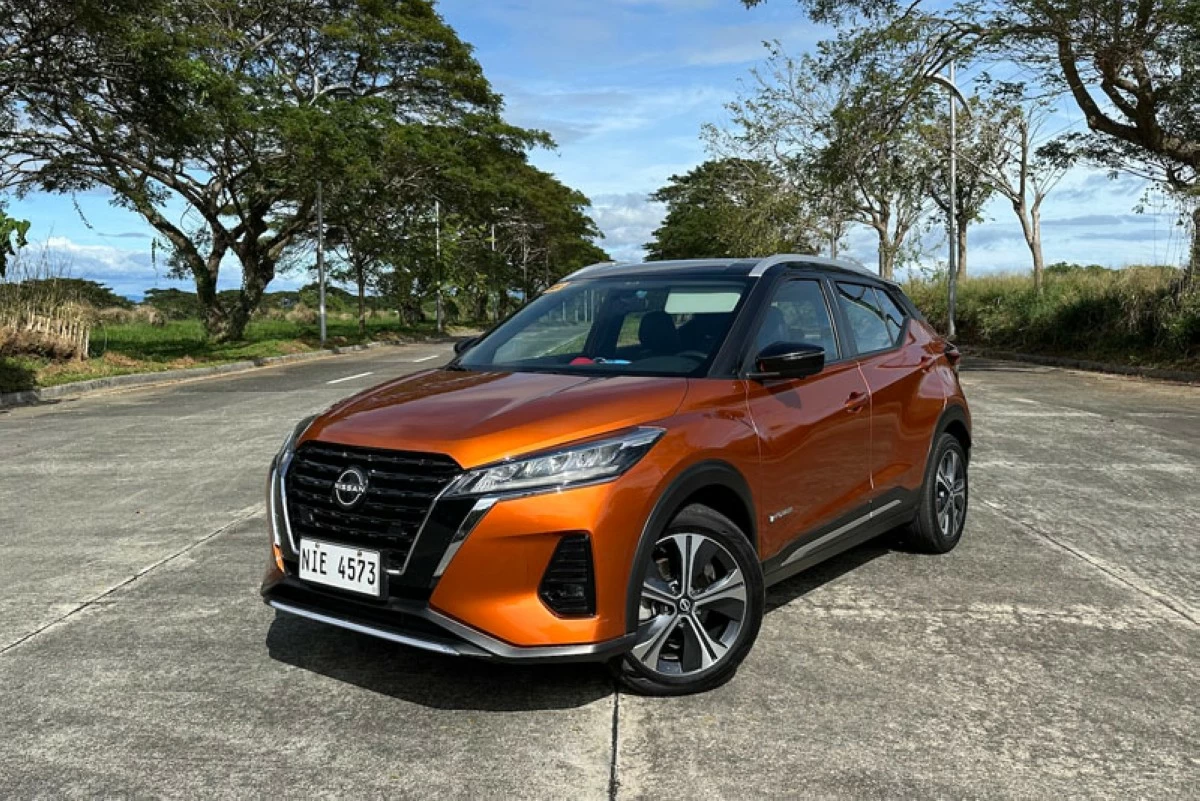
Nissan Kicks e-Power
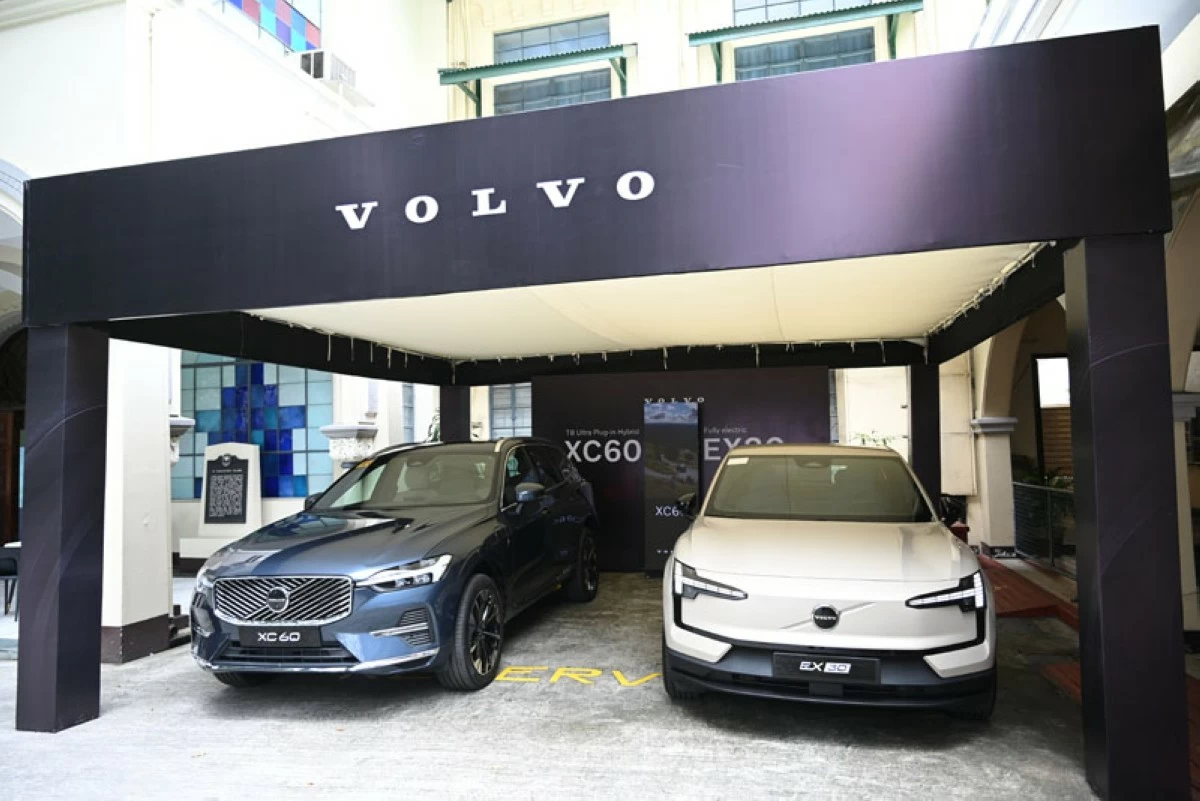
The XC60 T8 Plug-in Hybrid and EX30 BEV
The next segment is composed of vehicles with hybrid systems. This means the cars listed here have both an internal combustion engine and an electrified system that can work in combination to further enhance the vehicle’s efficiency. The hybrid segment is quite broad is at includes conventional hybrid electric vehicles (HEVs), plug-in hybrids (PHEV), range-extended electric vehicles (REEV) and mild hybrid electric vehicles (MHEV).
1. Chery Tiggo rEV C-DM (REEV) - 84.28 km/Lge
2. Lynk & Co 01 PHEV - 58.06 km/Lge
3. Volvo XC60 T8 Ultra (PHEV) - 52.19 km/Lge
4. Nissan Kicks e-Power VL (HEV) - 37.04 km/Lge
5. Suzuki Dzire Hybrid GLX (MHEV) - 36.10 km/Lge
The top performer by quite a margin is the Chery Tiggo rEV. This is a range extended electric vehicle (REEV) that has both an ICE and electric motor with battery, as well as a plug to charge the internal battery. Second place Volvo XC60 T8 is also a PHEV. In third is possibly one of the oldest models in the list, the Nissan Kicks e-Power which is a hybrid without a plug. We feel the need to clarify with readers that while the Nissan Kicks e-Power is listed with the DOE as a battery electric vehicle (BEV), it still has an ICE and still needs gasoline to operate, hence, why we included it in the hybrid Top 5, not the BEV Top 5. Quite notably, the Suzuki Dzire Hybrid, a mild hybrid, is among the top performers: an admirable feat considering its built-in electric motor cannot propel the car independently of the ICE like the other hybrids can. Unfortunately, it does not qualify for number coding exemption because of this, however, it is still a respectably efficient vehicle.
Internal Combustion Engine (ICE)
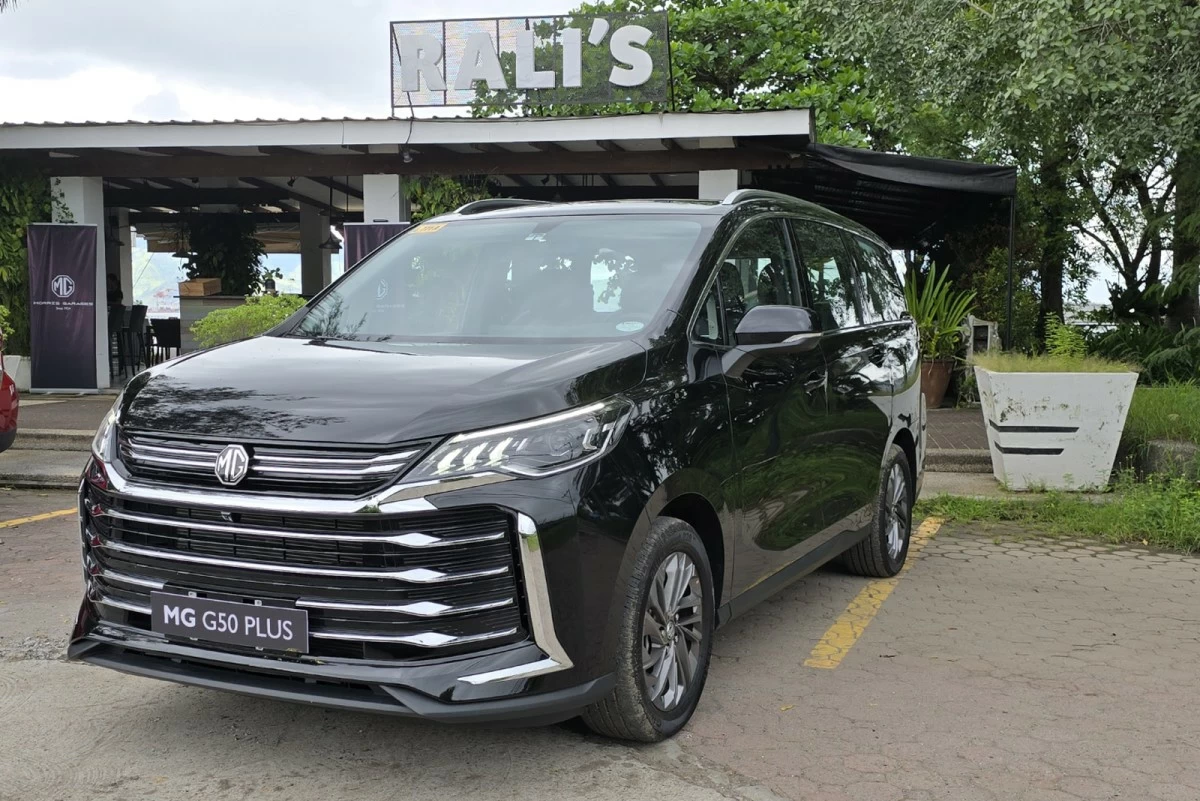
MG G50 seven-seater MPV
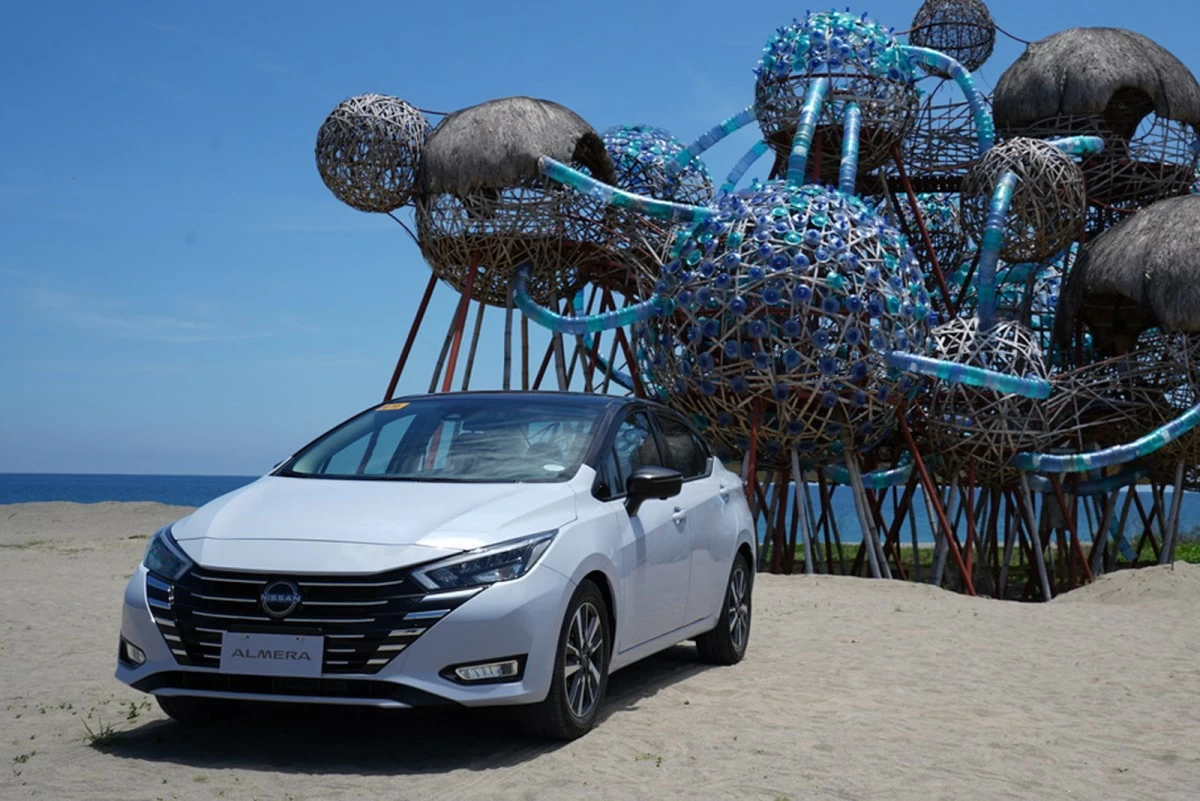
Nissan Almera with the Mebuyan Vessel in San Juan, La Union
Finally, we feel it’s still relevant to highlight the top performing ICE vehicles as not every car buyer may be considering an EV or hybrid. For those that still opt to drive an ICE, the Nissan Almera ought to be at the top of their list. Nonetheless, Toyota’s two small cars, the Wigo and Raize, also have remarkably high efficiency figures. It should come as no surprise that this list is dominated by small cars, but in fifth place is a seven-seater MPV, the MG G50.
1. Nissan Almera 1.0T - 29.33 km/Lge
2. Toyota Wigo 1.0 E - 28.10 km/Lge
3. Toyota Raize 1.2G - 25.96 km/Lge
4. Mitsubishi Mirage G4 - 24.96 km/Lge
5. MG G50 - 24.62 km/Lge
These figures are certainly eye-opening and will certainly do well to highlight some frequently overlooked vehicles. Bear in mind that this does not encompass all the vehicles available in the market as some have opted not to reveal their results, or not participate altogether. Nonetheless, this kind of transparency from many of the brands is certainly appreciated.