

ADVERTISEMENT

Recovering confidence: Philippine financial system's resources climb to ₱35.8 trillion at end-November 2025

Published Jan 21, 2026 01:41 pm

At A Glance

  • Recovering business confidence fueled the sustained expansion of both banks' and nonbanks' resources, with the total resources of the Philippine financial system rising by more than ₱2 trillion to ₱35.76 trillion as of end-November 2025.
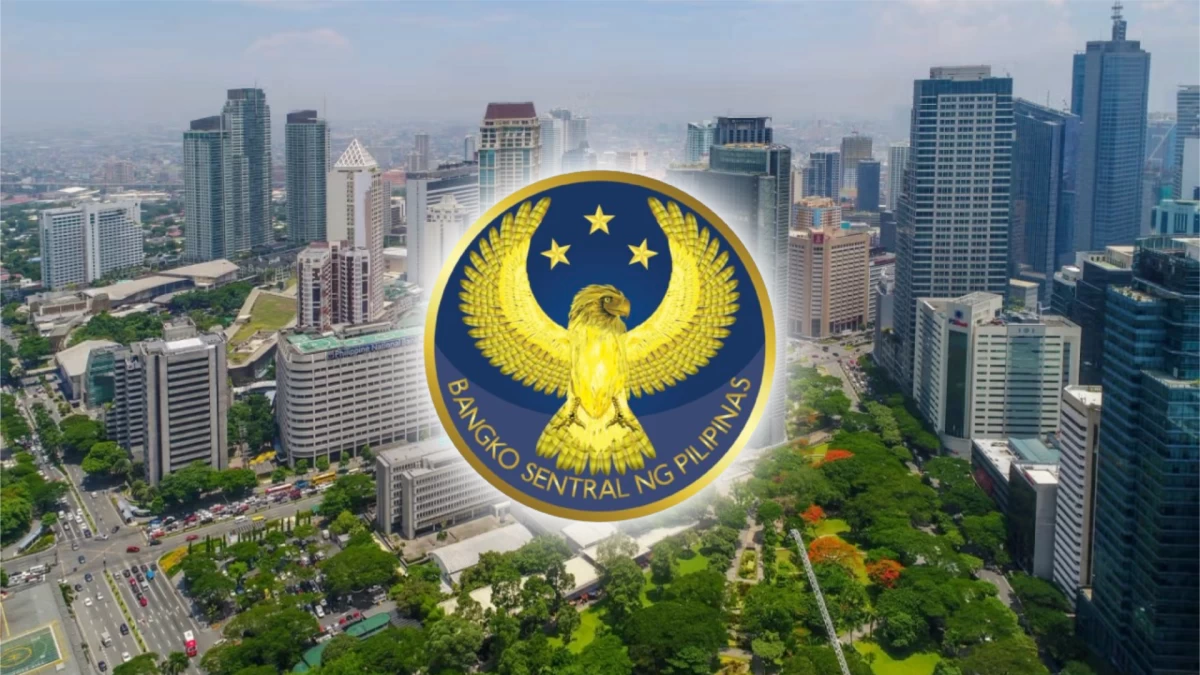
Recovering business confidence fueled the sustained expansion of both banks’ and nonbanks’ resources, with the total resources of the Philippine financial system rising by more than ₱2 trillion to ₱35.76 trillion as of end-November 2025.
The latest preliminary data from the Bangko Sentral ng Pilipinas (BSP) showed that resources held by banks and nonbank financial institutions (NBFIs) increased by ₱2.38 trillion, or 7.1 percent, from ₱33.38 trillion as of end-November 2024.
Similarly, the end-November figure rose by 1.3 percent from end-October’s ₱35.31 trillion in resources. These resources include funds and assets such as deposits, capital, and bonds or debt securities.
Reyes Tacandong & Co. Ravelas senior adviser Jonathan Ravelas said the sustained expansion of the country’s financial system reflects confidence.
“Households are saving more, firms are slowly borrowing again, and banks are deploying capital into higher-yielding securities. It’s a sign the financial system remains liquid and resilient,” Ravelas said.
Banks’ resources increased by ₱2.11 trillion, or 7.7 percent, to ₱29.66 trillion as of end-November from ₱27.55 trillion a year ago. Banks’ resources accounted for 82.9 percent of the financial system’s outstanding total.
Broken down, big banks—or universal and commercial banks—held resources valued at ₱27.57 trillion, rising 6.9 percent from 2024’s ₱25.78 trillion.
Thrift banks’ resources reached ₱1.42 trillion during the period, jumping 23.7 percent from ₱1.15 trillion a year earlier.
Meanwhile, rural and cooperative banks’ total resources rose 1.5 percent, hitting ₱505.9 billion as of end-November. This was up from ₱498.3 billion in the same period a year earlier.
Resources of digital banks, which had the lowest value given their number, jumped by 38.6 percent to ₱165.88 billion from ₱119.66 billion in 2024.
NBFIs, accounting for 17.1 percent of the system’s total resources as of end-November, held ₱6.1 trillion in resources. This increased by 4.7 percent from ₱5.83 trillion at end-November 2024. End-November 2025 data for nonbanks remained incomplete.
Nonbanks include investment houses, finance companies, securities dealers, pawnshops, and lending companies.
According to the central bank, NBFIs also include nonstock savings and loan associations, credit card firms, private insurance firms, and state-run insurers—the Social Security System (SSS) and the Government Service Insurance System (GSIS).
ADVERTISEMENT
.most-popular .layout-ratio{ padding-bottom: 79.13%; } @media (min-width: 768px) and (max-width: 1024px) { .widget-title { font-size: 15px !important; } }

{{ articles_filter_1561_widget.title }}

.most-popular .layout-ratio{ padding-bottom: 79.13%; } @media (min-width: 768px) and (max-width: 1024px) { .widget-title { font-size: 15px !important; } }

{{ articles_filter_1562_widget.title }}

.most-popular .layout-ratio{ padding-bottom: 79.13%; } @media (min-width: 768px) and (max-width: 1024px) { .widget-title { font-size: 15px !important; } }

{{ articles_filter_1563_widget.title }}

{{ articles_filter_1564_widget.title }}

.mb-article-details { position: relative; } .mb-article-details .article-body-preview, .mb-article-details .article-body-summary{ font-size: 17px; line-height: 30px; font-family: "Libre Caslon Text", serif; color: #000; } .mb-article-details .article-body-preview iframe , .mb-article-details .article-body-summary iframe{ width: 100%; margin: auto; } .read-more-background { background: linear-gradient(180deg, color(display-p3 1.000 1.000 1.000 / 0) 13.75%, color(display-p3 1.000 1.000 1.000 / 0.8) 30.79%, color(display-p3 1.000 1.000 1.000) 72.5%); position: absolute; height: 200px; width: 100%; bottom: 0; display: flex; justify-content: center; align-items: center; padding: 0; } .read-more-background a{ color: #000; } .read-more-btn { padding: 17px 45px; font-family: Inter; font-weight: 700; font-size: 18px; line-height: 16px; text-align: center; vertical-align: middle; border: 1px solid black; background-color: white; } .hidden { display: none; }
function initializeAllSwipers() { // Get all hidden inputs with cms_article_id document.querySelectorAll('[id^="cms_article_id_"]').forEach(function (input) { const cmsArticleId = input.value; const articleSelector = '#article-' + cmsArticleId + ' .body_images'; const swiperElement = document.querySelector(articleSelector); if (swiperElement && !swiperElement.classList.contains('swiper-initialized')) { new Swiper(articleSelector, { loop: true, pagination: false, navigation: { nextEl: '#article-' + cmsArticleId + ' .swiper-button-next', prevEl: '#article-' + cmsArticleId + ' .swiper-button-prev', }, }); } }); } setTimeout(initializeAllSwipers, 3000); const intersectionObserver = new IntersectionObserver( (entries) => { entries.forEach((entry) => { if (entry.isIntersecting) { const newUrl = entry.target.getAttribute("data-url"); if (newUrl) { history.pushState(null, null, newUrl); let article = entry.target; // Extract metadata const author = article.querySelector('.author-section').textContent.replace('By', '').trim(); const section = article.querySelector('.section-info ').textContent.replace(' ', ' '); const title = article.querySelector('.article-title h1').textContent; // Parse URL for Chartbeat path format const parsedUrl = new URL(newUrl, window.location.origin); const cleanUrl = parsedUrl.host + parsedUrl.pathname; // Update Chartbeat configuration if (typeof window._sf_async_config !== 'undefined') { window._sf_async_config.path = cleanUrl; window._sf_async_config.sections = section; window._sf_async_config.authors = author; } // Track virtual page view with Chartbeat if (typeof pSUPERFLY !== 'undefined' && typeof pSUPERFLY.virtualPage === 'function') { try { pSUPERFLY.virtualPage({ path: cleanUrl, title: title, sections: section, authors: author }); } catch (error) { console.error('ping error', error); } } // Optional: Update document title if (title && title !== document.title) { document.title = title; } } } }); }, { threshold: 0.1 } ); function showArticleBody(button) { const article = button.closest("article"); const summary = article.querySelector(".article-body-summary"); const body = article.querySelector(".article-body-preview"); const readMoreSection = article.querySelector(".read-more-background"); // Hide summary and read-more section summary.style.display = "none"; readMoreSection.style.display = "none"; // Show the full article body body.classList.remove("hidden"); } document.addEventListener("DOMContentLoaded", () => { let loadCount = 0; // Track how many times articles are loaded const offset = [1, 2, 3, 4, 5, 6, 7, 8, 9, 10]; // Offset values const currentUrl = window.location.pathname.substring(1); let isLoading = false; // Prevent multiple calls if (!currentUrl) { console.log("Current URL is invalid."); return; } const sentinel = document.getElementById("load-more-sentinel"); if (!sentinel) { console.log("Sentinel element not found."); return; } function isSentinelVisible() { const rect = sentinel.getBoundingClientRect(); return ( rect.top < window.innerHeight && rect.bottom >= 0 ); } function onScroll() { if (isLoading) return; if (isSentinelVisible()) { if (loadCount >= offset.length) { console.log("Maximum load attempts reached."); window.removeEventListener("scroll", onScroll); return; } isLoading = true; const currentOffset = offset[loadCount]; window.loadMoreItems().then(() => { let article = document.querySelector('#widget_1690 > div:nth-last-of-type(2) article'); intersectionObserver.observe(article) loadCount++; }).catch(error => { console.error("Error loading more items:", error); }).finally(() => { isLoading = false; }); } } window.addEventListener("scroll", onScroll); });

Sign up by email to receive news.