






Manila Bulletin
 Philippines
National
Impeachment explainer: The 3 modes, examples, and impact of 2025 SC ruling
Philippines
National
Impeachment explainer: The 3 modes, examples, and impact of 2025 SC ruling
Philippines
National
Impeachment explainer: The 3 modes, examples, and impact of 2025 SC ruling
Impeachment explainer: The 3 modes, examples, and impact of 2025 SC ruling
Published Jan 21, 2026 11:49 pm


At A Glance
- Expect news on the filing of impeachment complaints against either President Marcos or Vice President Sara Duterte to dominate headlines in the coming days, if not weeks as part of the country's political intramurals.
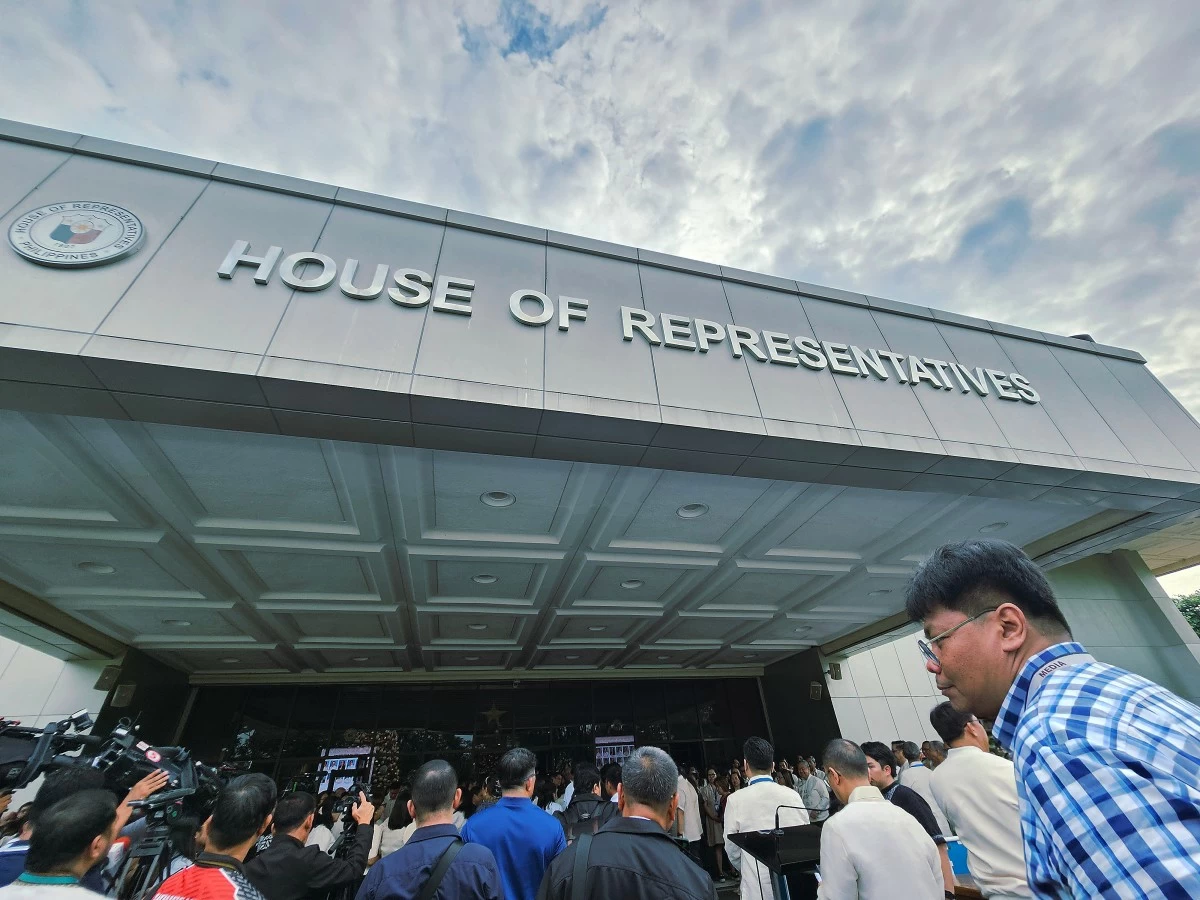
The House of Representatives (Ellson Quismorio/ MANILA BULLETIN)
Expect news on the filing of impeachment complaints against either President Marcos or Vice President Sara Duterte to dominate headlines in the coming days, if not weeks as part of the country's political intramurals.
To help you keep up with the plot, here's a quick explainer on the three modes of initiating an impeachment at the House of Representatives, plus specific examples of instances when these modes came to play.
As you will see later, the mode by which the impeachment complaint is filed will matter, in light of the Supreme Court’s (SC) July 25, 2025 ruling on the impeachment process in the House of Representatives.
Section 2 of the House rules mentions the following modes for the filing of an impeachment complaint:
1. A member of rhe House of Representatives files a verified complaint.
Example: "Congressmeow" Cavite 4th district Rep. Francisco "Kiko" Barzaga unveiled on Oct. 8, 2025 a copy of an impeachment complaint against President Marcos during a vlog in plenary. The Dasmariñas City solon said he was seeking Marcos' ouster "under the ground of betrayal of public trust" in connection with the flood control project anomalies.
Had Barzaga actually filed the complaint, it would have satisfied the first mode.
2. A private citizen--upon a resolution of endorsement by any House member--files a verified complaint.
Example: Lawyer Andre de Jesus filed the first ever impeachment complaint against President Marcos on Monday, Jan. 21. Serving as the documenr's endorser was Deputy Minority Leader Pusong Pinoy Party-list Rep. Jett Nisay.
The complaint cited three grounds (culpable violation of the Constitution, betrayal of public trust, and graft and corruption) spread across six specific allegations.
3. At least one-third of all House members will file verified complaint or resolution of impeachment.
Example: On Feb. 5, 2025, a total of 215 out of 306 House members of the previous 19th Congress filed and adopted in plenary a complaint enumerating seven articles of impeachment against Vice President Duterte.
This effectively impeached the lady official, without having to put the complaint through sufficiency tests (in form and in substance) before the Committee on Justice. This is considered a shortcut.
The House leadership submitted the complaint to the Senate on the same day, with the hope that senators would immediately hold an impeachment trial on Duterte.
SC ruling's impact
The 19th Congress impeachment complaint against the Vice President was ultimately declared unconstitutional by the SC. Although the House promptly challenged the ruling with a motion for reconsideration (MR), it appeared that the high court had standardized a much stricter process for impeachment within the legislative branch.
But Batangas 2nd district Rep. Gerville "Jinky Bitrics" Luistro, chairman of the Committee on Justice in the current 20th Congress, said that the decision of the SC will only impact impeachment complaints pursued under the third mode.
Referring to the De Jesus complaint against Marcos, Luistro said: "The feedback that I got is it is filed by a private individual and sponsored by a House member. So if that is the case, this is not actually the rule which is the subject matter of the decision of the SC."
Luistro said that the compliant--filed under the second mode--"calls for the referral by the plenary to the justice committee for there to have a process of initiation". Logic dictates that this is true for first mode impeachment filings.
It is the justice panel's task to determine whether or not a referred impeachment complaint is sufficient in form and in substance. If if hurdles both tests, then the panel endorses the complaint for plenary consideration.
As explained by Luistro, sufficiency in form covers technicalities like having the proper signatures and endorsements; while sufficiency in substance entails the presence of actual evidence to support the allegations contained in the articles of impeachment.
Given what happened to Vice President Duterte's impeachment last year, it is highly unlikely that the House of Representatives would once again avail of the third mode--unless the SC gives a favorable resolution to the MR.
Remember!
An impeachment complaint is deemed "initiated" once it gets referred by plenary to the justice panel. Moreover, only one impeachment complaint can be initiated agaisnt a particular impeachable officer within a year.
Last year, House Spokesperson Princess Abante assailed the SC decision for imposing new, "very stringent requirements" not found in either the 1987 Constitution or House rules.
“Ayon sa korte, kahit ang reklamong pirmado na at verified ng one-third ng mga miyembro ay kailangan pa ring basahin ng bawat pumirma at pagkatapos ay i-refer muli sa plenaryo upang pagbotohan. Dapat din daw ay nabigyan ng kopya at pagkakataon ang respondent na sagutin ang reklamo bago ito maisumite sa Senado. Ngunit wala pong ganitong rekisito sa ating Konstitusyon o sa mga rules ng Kamara,” she pointed out.
(According to the court, even a complaint already signed and verified by one-third of the members must still be read by each signer and then referred again to the plenary for voting. They also said the respondent must have been given a copy and the opportunity to respond to the complaint before it is submitted to the Senate. But there is no such requirement in our Constitution or in the rules of the House.)