Lifestyle
Health and Wellness
Debunking myths: Advocating open discussions on HIV as a preventable, manageable disease
Lifestyle
Health and Wellness
Debunking myths: Advocating open discussions on HIV as a preventable, manageable disease
Debunking myths: Advocating open discussions on HIV as a preventable, manageable disease


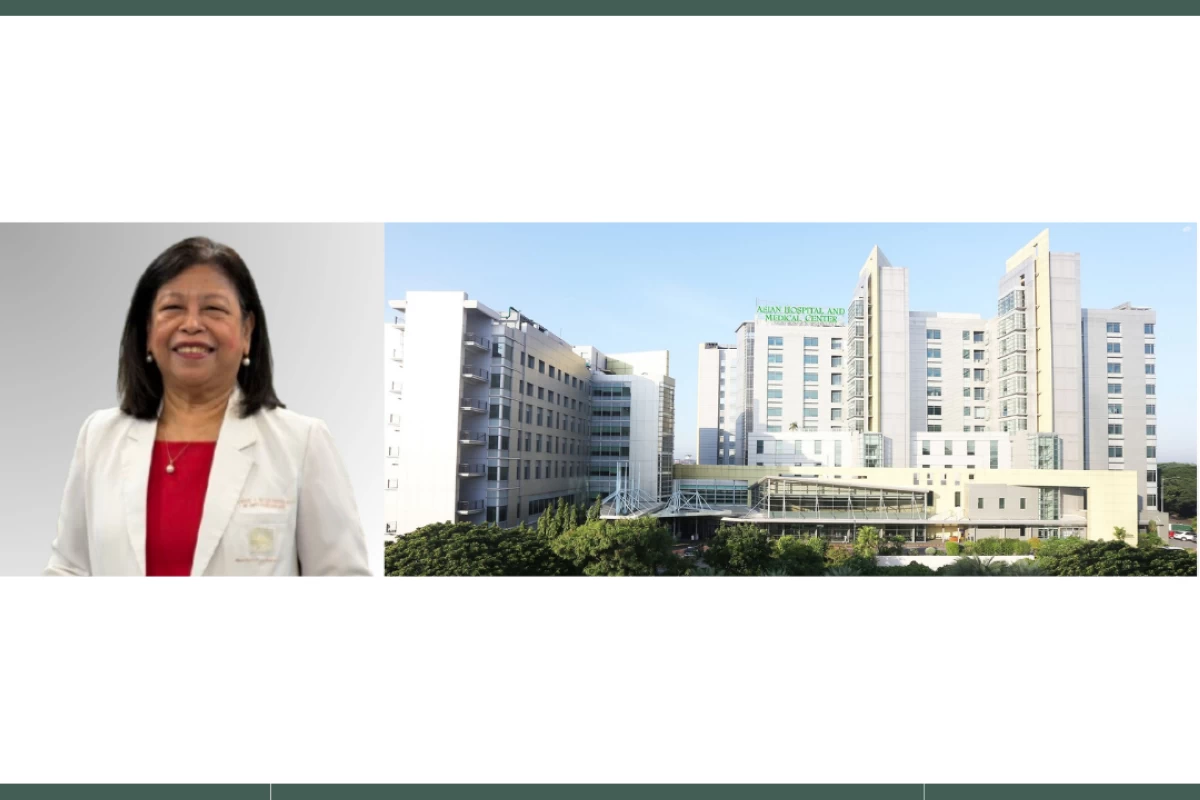
By Dr. Mari Rose Delos Reyes
Talking about illness is never easy, but it becomes more challenging when long-standing stigma prevents open, informed conversations that could foster understanding and awareness. This is especially true for human immunodeficiency virus (HIV), which in the Philippines, remains a sensitive topic – often surrounded by misconceptions and myths.
Despite decades of scientific progress, myths surrounding HIV continue to fuel fear, discrimination, and delayed care. Through the combined efforts of medical institutions, government agencies, and non-government organizations, the goal remains clear: to continue promoting honest, fact-based discussions and reinforce that HIV is both preventable and manageable.
Living Beyond the Myths
The World Health Organization (WHO) identifies HIV as a major global public health concern, with an estimated 44.1 million related deaths. As of 2024, about 40.8 million people worldwide are living with HIV globally. The keyword here is living.
It's ironic that many of the most persistent myths about HIV stem from the belief that, because there is still no cure, there is no hope for those who acquire it. This misconception often fuels fear and stigma.
While HIV remains incurable, it is a chronic condition that can be effectively managed with early diagnosis, timely treatment, and consistent patient care. Decades of clinical experience and patient stories have shown that people living with HIV can lead long, healthy and productive lives.
Reversing the rising trend
In the Philippines, the growing number of HIV cases has prompted urgent action from the Department of Health, with strong support from the Joint United Nations Programme on HIV/AIDS (UNAIDS) and WHO. The country has now the fastest-growing HIV epidemic in the Asia-Pacific region, with an average of 57 new cases reported daily as of June 2025.
This represents a staggering 550 percent increase – from 4,400 cases in 2010 to 29,600 cases in 2024. This year, over 252,800 Filipinos are living with HIV, highlighting the critical need for continued awareness, prevention, and treatment efforts which begins with understanding the disease.
Understanding HIV
HIV is a virus that attacks the body's white blood cells, resulting in a weakened immune system. Acquired Immunodeficiency syndrome (AIDS), meanwhile, refers to the advanced stage of HIV infection, when the body can no longer fight off opportunistic infections.
HIV is transmitted through specific body fluids such as blood, semen, vaginal fluids, rectal fluids, and breast milk during unprotected sexual contact, sharing of contaminated needles, or from mother to child during pregnancy, childbirth or breastfeeding. Despite these science-based facts, some people still incorrectly believe that HIV can be contracted through casual contact like hugging, sharing utensils, or using the same toilet.
The importance of early detection
Knowing how HIV is transmitted is only the first step. Early detection plays a crucial role in effective patient care and long-term outcomes. Initial HIV symptoms are often mild and flu-like, including fever, headache, rash, sore throat, swollen lymph nodes, weight loss, diarrhea, and persistent cough. As the infection progresses, it can lead to more serious health complications, such as tuberculosis, cryptococcal meningitis, severe bacterial infections, and certain cancers.
HIV testing is important to know an individual’s HIV status, enabling early treatment that allows people living with HIV to live long, healthy lives, preventing further spread and achieving an undetectable = untransmissible status (U=U). For those who test negative, it empowers them to use prevention tools like PreP, while for those who test positive it is the vital first step to accessing life-saving antiretroviral therapy (ART) and protecting their partners.
Prevention and treatment
Prevention remains the most effective way to reduce HIV transmission. This includes practicing protected sex, undergoing regular testing, and using harm-reduction services for those who inject drugs.
Another preventive option is pre-exposure prophylaxis (PrEP), an antiretroviral medication taken by HIV-negative individuals to significantly reduce their risk of acquiring the virus.
For people living with HIV, antiretroviral drug therapy is the cornerstone of treatment. While it does not cure HIV infection, it supports a stronger immune system to fight other infections. Antiretroviral therapy should be taken by people living with HIV every day for the rest of their lives.
Compassionate care
At the Asian Hospital and Medical Center, compassion is at the heart of every patient encounter. Guided by decades of expertise, the hospital recognizes the unique support that people living with lifelong conditions need.
Through its highly qualified Infectious Disease Specialists, the patients receive accessible, world-class care built on trust, understanding, and holistic treatment.
For anyone at risk of HIV/AIDS, fear or stigma should never stand in the way of care. The General Medicine Clinic at Asian Hospital and Medical Center provides confidential and compassionate support, empowering patients with expert testing, counseling, and treatment so they can take control of their health with confidence.
You can reach our team through our hotline at 8771-9000 local 5913, or send us an email at [email protected]. For up-to-date information about our services, follow our social media pages @AsianHospitalPH.