ADVERTISEMENT

Philippines' 2025 rice imports revised up to 3.39-million MT

Published Jan 20, 2026 03:10 pm
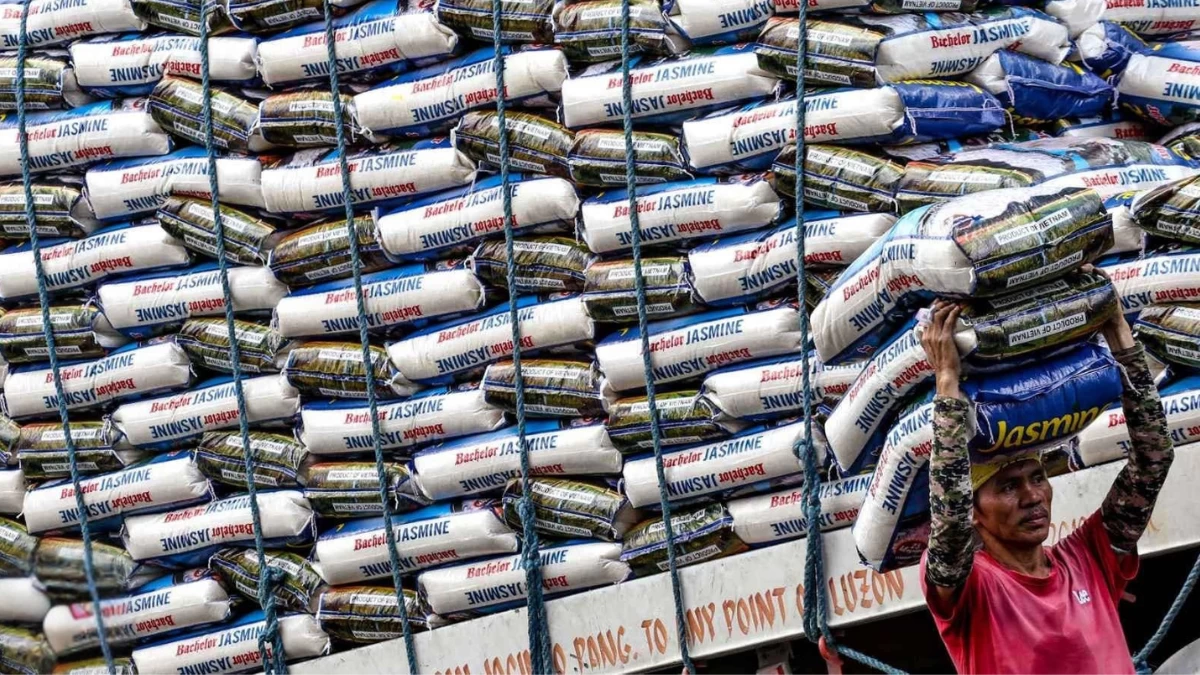
The Philippines’ rice imports for 2025 reached 3.39 million metric tons, according to revised data from the Bureau of Plant Industry (BPI), as late-arriving December shipments pushed the final tally above initial estimates.
Based on the latest BPI data, the updated figure is an increase from the 3.37 million metric tons previously reported by the bureau. The adjustment followed a revision to December’s import data, which rose to 36,588 metric tons from an initial figure of 27,706 metric tons.
The BPI attributed the revision to late reporting, particularly at ports where rice shipments had not yet been cleared or inspections completed.
“It’s also possible that it was cleared late at the port itself, which is why they did not report it immediately,” the bureau told Manila Bulletin.
According to BPI data, Vietnam was the leading rice supplier last year, with imports totaling 2.76 million MT, or 81 percent of the total volume.
Other leading sources included Myanmar with 343,910 MT, Thailand with 176,865 MT, Pakistan with 76,522 MT, and India with 20,707 MT.
Last year, the BPI issued a total of 4,500 sanitary and phytosanitary import clearances (SPSICs), of which 87.18 percent, or 3,293, were utilized.
The SPSICs were intended to import 4.32 million MT of milled rice, but only 78.38 percent of the commodity arrived in the country.
Compared to the record-high of 4.81 million MT in 2024, rice imports last year were down 29.5 percent.
Agriculture Assistant Secretary Arnel de Mesa has said that the reduced imports last year were due to the implementation of the four-month suspension on foreign rice shipments.
Before the import ban took effect, rice imports averaged around 370,000 MT per month up to September.
From October to December, the monthly average plunged to around 35,000 MT, comprising specialty varieties such as Japanese, black, and basmati rice, which are exempt from the import ban.
For the year, De Mesa said the government expects imports to remain below four million MT, with unmilled rice production expected to reach 20.3 million MT.
The importation of rice officially resumed on Jan. 1, with imports restricted to 17 ports of entry across the country.
In accordance with the BPI’s guidelines, all shipments of imported milled rice must arrive in the country within 60 days of the date of issuance of the corresponding SPSIC.
Shipments that arrive beyond the prescribed period will not be accepted and are required to be returned to the country of origin at the expense of the importer.
As of Jan. 15, 100 SPSICs were already utilized for the importation of 178,397 MT, nearly 70 percent higher than the combined import volume for the last three months of 2025.
ADVERTISEMENT
.most-popular .layout-ratio{ padding-bottom: 79.13%; } @media (min-width: 768px) and (max-width: 1024px) { .widget-title { font-size: 15px !important; } }

{{ articles_filter_1561_widget.title }}

.most-popular .layout-ratio{ padding-bottom: 79.13%; } @media (min-width: 768px) and (max-width: 1024px) { .widget-title { font-size: 15px !important; } }

{{ articles_filter_1562_widget.title }}

.most-popular .layout-ratio{ padding-bottom: 79.13%; } @media (min-width: 768px) and (max-width: 1024px) { .widget-title { font-size: 15px !important; } }

{{ articles_filter_1563_widget.title }}

{{ articles_filter_1564_widget.title }}

.mb-article-details { position: relative; } .mb-article-details .article-body-preview, .mb-article-details .article-body-summary{ font-size: 17px; line-height: 30px; font-family: "Libre Caslon Text", serif; color: #000; } .mb-article-details .article-body-preview iframe , .mb-article-details .article-body-summary iframe{ width: 100%; margin: auto; } .read-more-background { background: linear-gradient(180deg, color(display-p3 1.000 1.000 1.000 / 0) 13.75%, color(display-p3 1.000 1.000 1.000 / 0.8) 30.79%, color(display-p3 1.000 1.000 1.000) 72.5%); position: absolute; height: 200px; width: 100%; bottom: 0; display: flex; justify-content: center; align-items: center; padding: 0; } .read-more-background a{ color: #000; } .read-more-btn { padding: 17px 45px; font-family: Inter; font-weight: 700; font-size: 18px; line-height: 16px; text-align: center; vertical-align: middle; border: 1px solid black; background-color: white; } .hidden { display: none; }
function initializeAllSwipers() { // Get all hidden inputs with cms_article_id document.querySelectorAll('[id^="cms_article_id_"]').forEach(function (input) { const cmsArticleId = input.value; const articleSelector = '#article-' + cmsArticleId + ' .body_images'; const swiperElement = document.querySelector(articleSelector); if (swiperElement && !swiperElement.classList.contains('swiper-initialized')) { new Swiper(articleSelector, { loop: true, pagination: false, navigation: { nextEl: '#article-' + cmsArticleId + ' .swiper-button-next', prevEl: '#article-' + cmsArticleId + ' .swiper-button-prev', }, }); } }); } setTimeout(initializeAllSwipers, 3000); const intersectionObserver = new IntersectionObserver( (entries) => { entries.forEach((entry) => { if (entry.isIntersecting) { const newUrl = entry.target.getAttribute("data-url"); if (newUrl) { history.pushState(null, null, newUrl); let article = entry.target; // Extract metadata const author = article.querySelector('.author-section').textContent.replace('By', '').trim(); const section = article.querySelector('.section-info ').textContent.replace(' ', ' '); const title = article.querySelector('.article-title h1').textContent; // Parse URL for Chartbeat path format const parsedUrl = new URL(newUrl, window.location.origin); const cleanUrl = parsedUrl.host + parsedUrl.pathname; // Update Chartbeat configuration if (typeof window._sf_async_config !== 'undefined') { window._sf_async_config.path = cleanUrl; window._sf_async_config.sections = section; window._sf_async_config.authors = author; } // Track virtual page view with Chartbeat if (typeof pSUPERFLY !== 'undefined' && typeof pSUPERFLY.virtualPage === 'function') { try { pSUPERFLY.virtualPage({ path: cleanUrl, title: title, sections: section, authors: author }); } catch (error) { console.error('ping error', error); } } // Optional: Update document title if (title && title !== document.title) { document.title = title; } } } }); }, { threshold: 0.1 } ); function showArticleBody(button) { const article = button.closest("article"); const summary = article.querySelector(".article-body-summary"); const body = article.querySelector(".article-body-preview"); const readMoreSection = article.querySelector(".read-more-background"); // Hide summary and read-more section summary.style.display = "none"; readMoreSection.style.display = "none"; // Show the full article body body.classList.remove("hidden"); } document.addEventListener("DOMContentLoaded", () => { let loadCount = 0; // Track how many times articles are loaded const offset = [1, 2, 3, 4, 5, 6, 7, 8, 9, 10]; // Offset values const currentUrl = window.location.pathname.substring(1); let isLoading = false; // Prevent multiple calls if (!currentUrl) { console.log("Current URL is invalid."); return; } const sentinel = document.getElementById("load-more-sentinel"); if (!sentinel) { console.log("Sentinel element not found."); return; } function isSentinelVisible() { const rect = sentinel.getBoundingClientRect(); return ( rect.top < window.innerHeight && rect.bottom >= 0 ); } function onScroll() { if (isLoading) return; if (isSentinelVisible()) { if (loadCount >= offset.length) { console.log("Maximum load attempts reached."); window.removeEventListener("scroll", onScroll); return; } isLoading = true; const currentOffset = offset[loadCount]; window.loadMoreItems().then(() => { let article = document.querySelector('#widget_1690 > div:nth-last-of-type(2) article'); intersectionObserver.observe(article) loadCount++; }).catch(error => { console.error("Error loading more items:", error); }).finally(() => { isLoading = false; }); } } window.addEventListener("scroll", onScroll); });

Sign up by email to receive news.