







Airfares stay flat in February as fuel surcharge remains


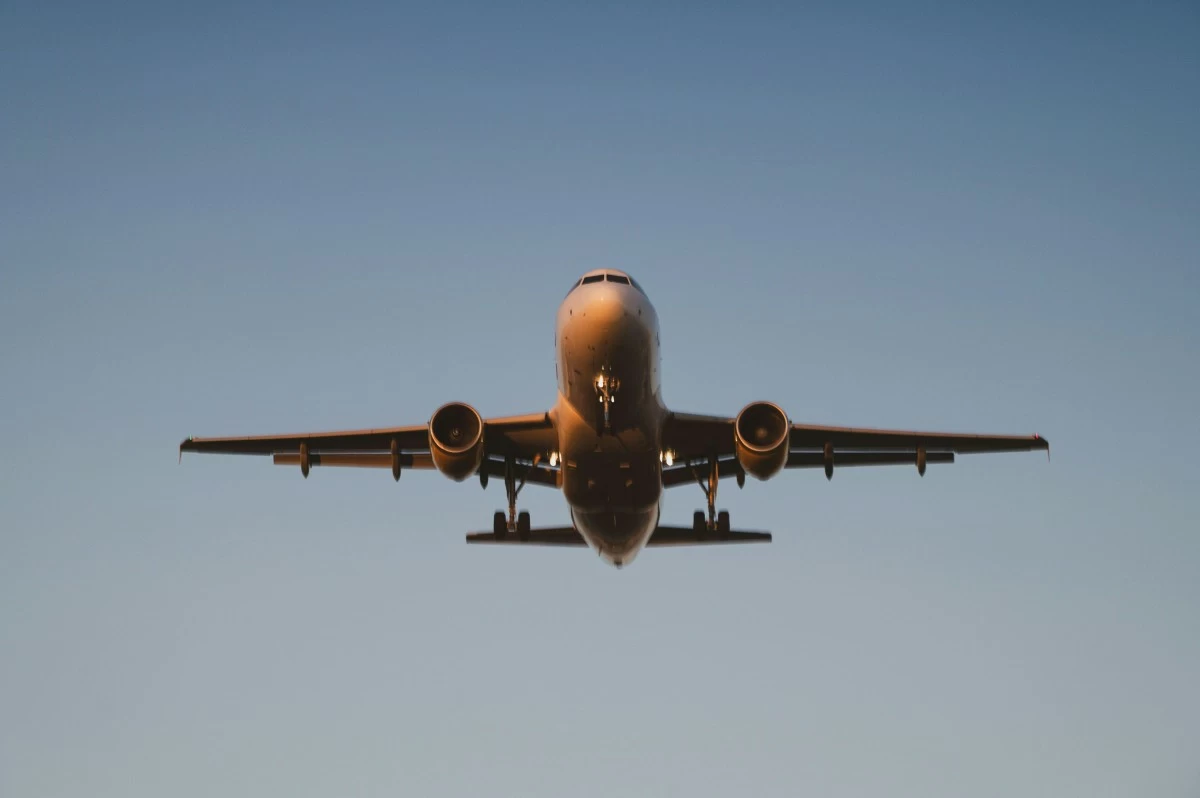
Travelers can expect airfares to remain steady in February as the government keeps the passenger fuel surcharge at the same level for the seventh straight month.
In an advisory dated Jan. 19, the Civil Aeronautics Board (CAB) said the fuel surcharge would remain unchanged at Level 4 next month.
The fuel surcharge has been kept at Level 4 since August 2025.
Under this level, travelers pay an additional ₱117 to ₱342 for domestic flights, depending on the flight’s distance. For international trips, the surcharge ranges from ₱385.70 to ₱2,867.82.
According to CAB, the fuel surcharge is an optional fee that airlines may impose and collect to recover costs from losses caused by upward spikes in fuel prices.
It is not part of the basic airfare and may be reduced or removed depending on the price of jet fuel in the market.
The applicable fuel surcharge is determined based on a one-month average of jet fuel Mean of Platts Singapore (MOPS) prices in their peso-per-liter equivalent.
Based on monitoring by the International Air Transport Association (IATA), the average global price of jet fuel stood at $89.63 per barrel as of Jan. 16, up 3.5 percent from last month’s prices.
In Asia and Oceania, prices were down 1.5 percent to $83.63 per barrel.
CAB said airlines planning to impose or collect a fuel surcharge next month must file their application on or before Feb. 1, with surcharge rates not exceeding Level 4.
For fuel surcharges to be collected in equivalent currency, the applicable conversion rate in February is ₱58.94 per United States (US) dollar.
Keeping airfares steady for another month is expected to sustain the upward momentum in air travel into the coming summer season.
Flag carrier Philippine Airlines (PAL) is banking on the delivery of five more Airbus A350-1000s this year to capture demand, with each aircraft capable of accommodating 382 passengers.
PAL’s new flagship aircraft delivers up to a 25-percent reduction in fuel consumption and carbon dioxide emissions compared with previous-generation aircraft, while also offering compatibility with sustainable aviation fuel.
Low-cost carrier Cebu Pacific is awaiting the scheduled delivery of seven 459-seater A330neos this year, as the airline bets on its fleet of 100 aircraft to sustain demand from travelers flying locally and abroad.
Last year, Cebu Pacific saw its passenger volume rise to a record high of 26.88 million, up 9.5 percent from 24.5 million in 2024.
For the year, budget airline AirAsia Philippines aims to solidify its presence in Southeast Asia with the launch of direct flights to Hanoi and Da Nang in Vietnam on March 20.