







OFWs' exemption from burdensome PhilHealth payments eyed
Published Jan 19, 2026 06:47 am


At A Glance
- Congressmen are pushing for the swift passage of House Bill (HB) No. 2--a measure that seeks to spare millions of migrant workers from mandatory premium payments to the Philippine Health Insurance Corporation (PhilHealth).
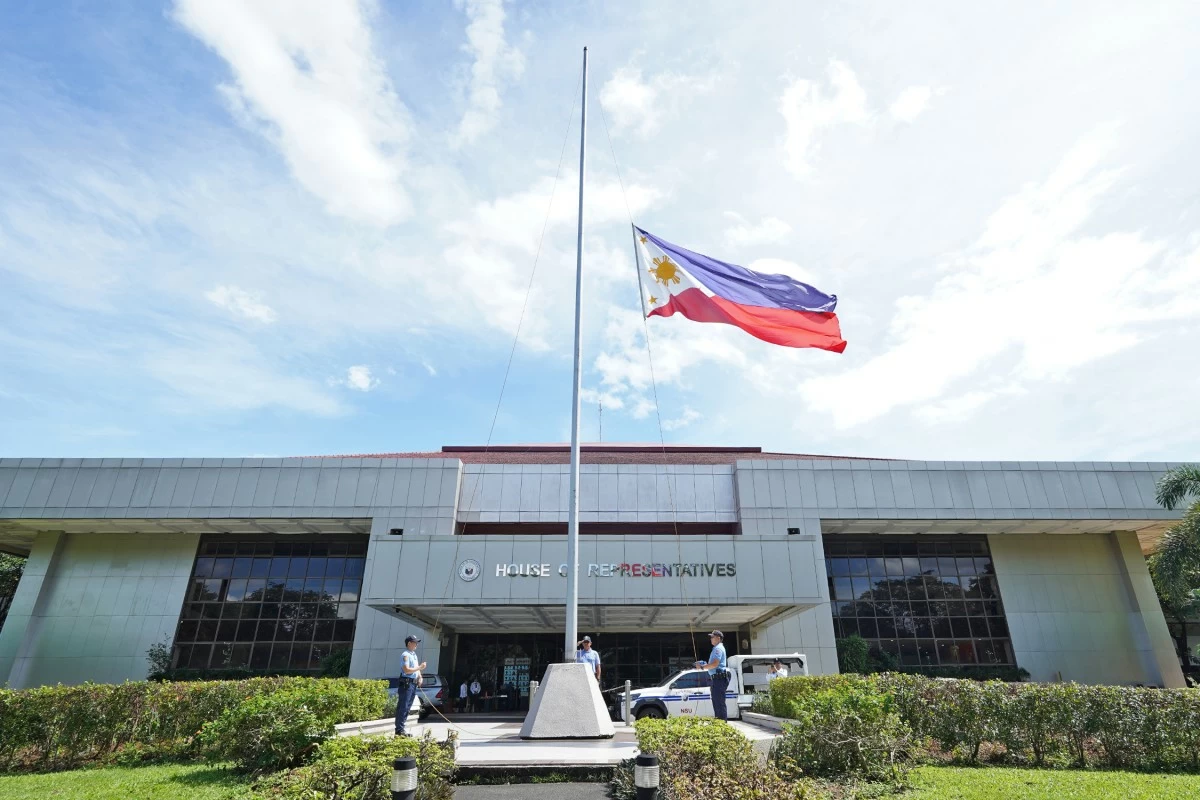
The House of Representatives (PPAB)
Congressmen are pushing for the swift passage of House Bill (HB) No. 2--a measure that seeks to spare millions of migrant workers from mandatory premium payments to the Philippine Health Insurance Corporation (PhilHealth).
Introduced in the current 20th Congress by former House Speaker Leyte 1st district Rep. Martin Romualdez, HB No. 2 is seen as a timely response to the mounting financial pressure on overseas Filipino workers (OFWs) amid inflation, higher remittance costs, and stricter employment conditions in host countries.
Committee on Higher and Technical Education Chairman Tingog Party-list Rep. Jude Acidre, co-author, said the measure remains pending before the Committee on Health and is currently undergoing refinement at the technical working group (TWG) level.
Under HB No. 2, OFWs would no longer be required to directly pay premiums to the state health insurer. Instead, the national government would shoulder half of the contribution, with the other half to be covered by employers.
Any unused subsidy would be redirected to enhance PhilHealth benefits or lower future premiums.
“The proposed law of former Speaker Romualdez reflects the fact that OFWs contribute far more than their fair share to the economy, sending home remittances, paying taxes, and making sacrifices that keep families and businesses going. Requiring them to pay more for health coverage would be unfair, especially amid mounting global economic challenges,” Acidre said.
According to the Bangko Sentral ng Pilipinas (BSP), remittances from OFWs remain resilient, but economists have warned that real income gains for migrant workers are being eroded by higher housing, food, and medical costs overseas.
Labor groups have also reported growing dissatisfaction among OFWs over mandatory contributions, which they said were difficult to access while abroad.
Acidre said the bill addresses long-standing equity issues in the Universal Health Care (UHC) system.
Several OFW organizations have said mandatory payments discouraged enrollment, particularly among land-based workers on short-term contracts.
Health policy experts also note that the measure aligns with global best practices, where migrant workers’ health insurance is typically shared between employers and host governments rather than imposed solely on the worker.
“This is a corrective measure. Universal health care must be universal in protection, not universal in burden,” Acidre underscored.
He said delays on the approval would mean missed opportunities to provide relief to millions of Filipino workers amid continuing global uncertainty.