






Manila Bulletin
 Philippines
National
Domestic, foreign cargo up by 6.6% in 2025; PPA sees stronger growth this year
Philippines
National
Domestic, foreign cargo up by 6.6% in 2025; PPA sees stronger growth this year
Philippines
National
Domestic, foreign cargo up by 6.6% in 2025; PPA sees stronger growth this year
Domestic, foreign cargo up by 6.6% in 2025; PPA sees stronger growth this year
Published Jan 19, 2026 10:56 am


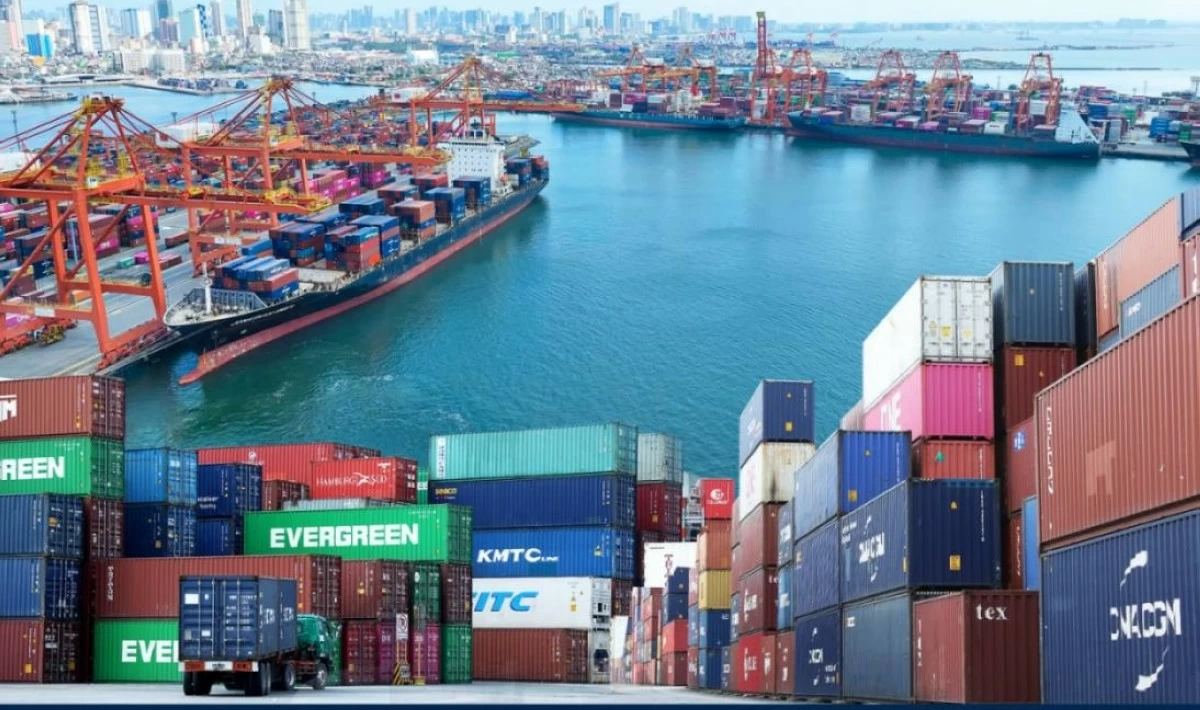
Domestic and foreign cargo throughput increased by 6.6 percent last year compared to 2024, a robust performance which the Philippine Ports Authority (PPA) considers as a positive indicator of maritime trade and connectivity boost this year.
PPA General Manager Jay Daniel Santiago said the agency recorded 308.5 million metric tons for both domestic and foreign cargo which he said reflects the agency’s goal commitment to a more efficient, reliable, and interconnected port system that supports economic growth across the archipelago.
“This milestone underscores the vital role of Philippine ports in driving trade, supporting local industries, and connecting communities across the archipelago,” said Santiago.
Citing records, he said domestic cargo throughput grew by 8.84 percent, or from 104.83 million metric tons in 2024 to 114.09 million metric tons in 2025.
Santiago attributed the increase in domestic cargo to higher shipments of construction materials, petroleum products, and industrial raw materials supporting infrastructure development, industrial activity, and inclusive economic progress nationwide.
For foreign cargo, he said a 5.33 percent increase was recorded, or from 184.58 million metric tons in 2024 to 194.41 million metric tons in 2025, which he said demonstrates Philippines’ growing role in regional and global supply chains and highlighting investor confidence in the country’s trade capacity.
PPA data also disclosed that both containerized and non-containerized cargoes recorded strong growth, with container throughput surpassing 8 million TEUs, including 5.55 million TEUs of foreign container traffic and 2.99 million TEUs of domestic container traffic.
These figures, according to Santiago, reflect the ports’ continuous support for domestic and international commerce, keeping goods moving efficiently across the nation and beyond.
Ship calls rose to 664,817 in 2025, up from 621,374 in 2024, signaling stronger trade demand and improved port efficiency.
“This increase reinforces Philippine ports as reliable and competitive hubs that help drive national economic progress,” said Santiago.
On the other hand, Roll on/Roll off (RoRo) traffic also grew to 12.81 million vehicles in 2025, a 13.3 percent increase from 2024.
RoRo is considered as a key pillar of inter-island connectivity that enables farmers, micro, small, and medium enterprises, and local communities to move goods more efficiently.
Sanyiago said they expect RoRo traffic to grow another 6.15 percent this year.
“As we enter 2026, we remain focused on delivering solid results that translate to safer, more reliable, and more accessible port service and national development,” said Santiago.