







Diesel prices to rise ₱2, gasoline ₱1 Tuesday
Published Jan 19, 2026 09:29 am


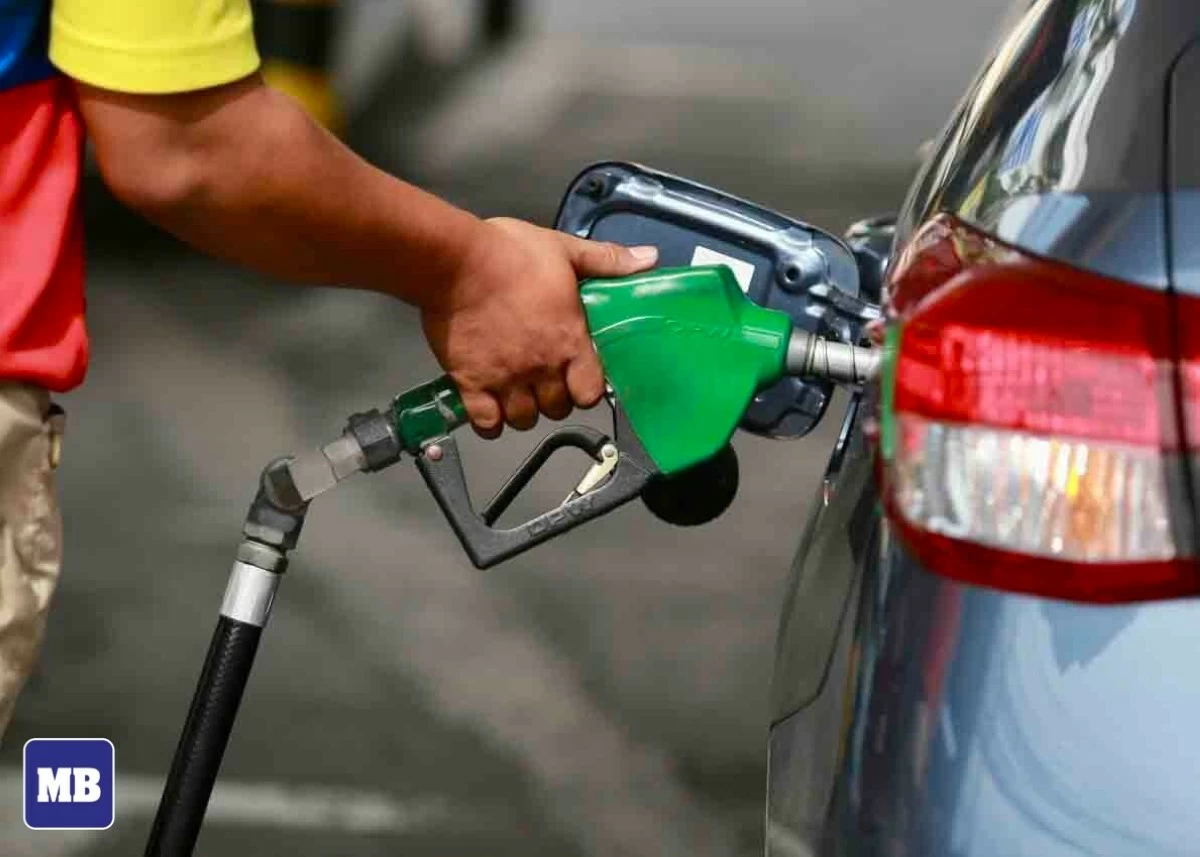
At a Quezon City gas station, a pump attendant fills a car's fuel tank. This week, the cost of petroleum products has risen, a direct result of escalating geopolitical tensions in the Middle East.
Motorists will face higher costs at the pump this week as domestic fuel prices continue their upward trajectory, driven by geopolitical instability and weakening local currency.
Effective Tuesday, Jan. 20, the price of gasoline will rise by ₱1.00 peso per liter, while kerosene will see an increase of ₱1.50 pesos per liter. Diesel, will see the most hefty jump, with prices set to climb by ₱2.00 pesos per liter.
The adjustments will mark the second consecutive week of increases for gasoline and the fourth for diesel.
These adjustments follow a period of sustained pressure on global crude benchmarks as traders weigh supply risks against shifting economic indicators.
The price hikes come as the peso hit a record low of 59.46 per United States (US) dollar, increasing the cost of importing refined petroleum products.
Because the Philippines is a net importer of fuel, the depreciation of the local currency serves as a primary tailwind for domestic price inflation, compounding the effect of rising international oil prices.
Market analysts pointed to heightened geopolitical risks in the Middle East as a fundamental driver for the current rally. Fears of a wider regional conflict involving Iran, coupled with the potential for US intervention, have kept energy markets on edge.
Iran, which contributes approximately three percent of global oil exports, maintains significant influence over the Strait of Hormuz. Roughly 30 percent of the world’s daily oil flows transit through this strategic waterway, and any disruption to shipments could lead to a severe supply crunch.
Adding to the supply concerns are recent drone attacks on oil tankers in the Black Sea. These incidents have signaled that energy routes beyond the traditional Middle Eastern corridors are increasingly vulnerable to disruption.
While US oil and fuel inventories have recently shown a larger-than-expected surplus and there remains the possibility of steady supply from Venezuela, these factors have yet to fully offset the risk premiums being priced into the market.
For Filipino consumers, the cumulative effect of these weekly increases is beginning to strain household budgets. The sustained rise in diesel prices is particularly impactful, as it often translates into higher logistics costs and potential increases in the price of basic commodities. As global tensions persist and the peso remains under pressure, the outlook for energy prices in the archipelago remains skewed to the upside.