






Manila Bulletin
 Business
Trade & Industry
CREC to double annual spending to ₱114 billion amid aggressive solar push
Business
Trade & Industry
CREC to double annual spending to ₱114 billion amid aggressive solar push
Business
Trade & Industry
CREC to double annual spending to ₱114 billion amid aggressive solar push
CREC to double annual spending to ₱114 billion amid aggressive solar push
Published Jan 19, 2026 12:01 am
|
Updated Jan 17, 2026 12:45 pm


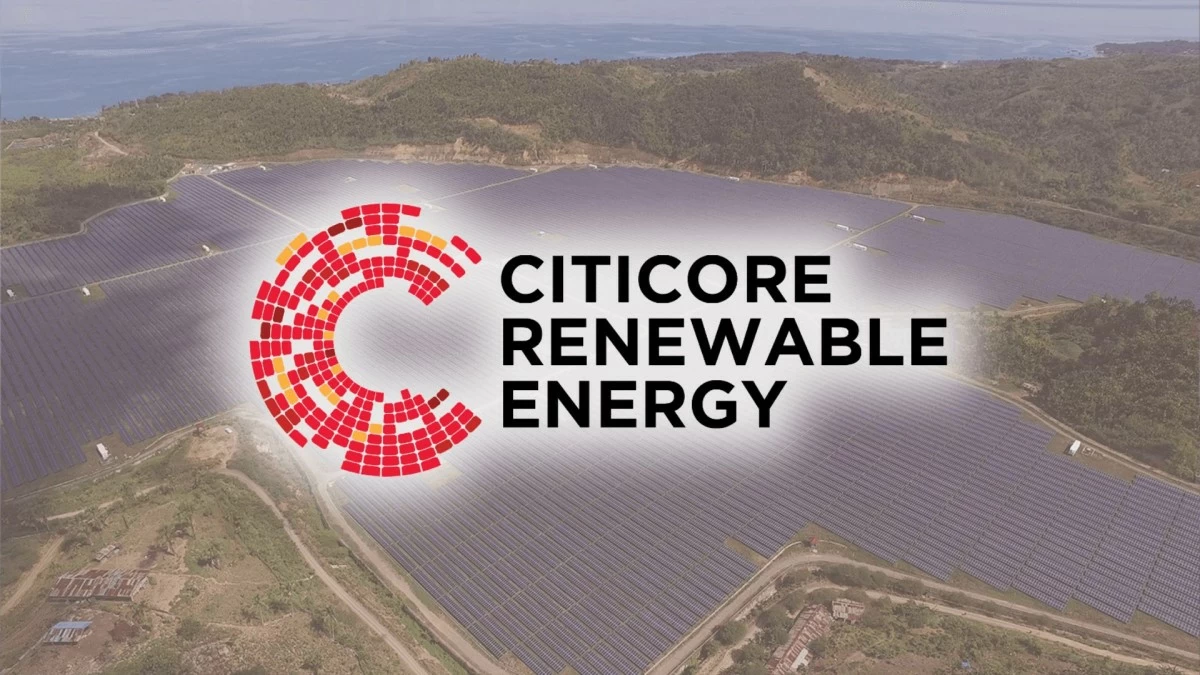
Citicore Renewable Energy Corp. (CREC) plans to accelerate its solar power rollout, aiming to commission two gigawatts of new capacity by 2026, a move that would triple its existing portfolio and bring the developer closer to its long-term output targets.
CREC President and CEO Oliver Tan told reporters that the company expects to energize several projects awarded under the government’s second Green Energy Auction program during the first quarter of next year.
Those initial projects are nearing completion, with the company currently working on connection points with the National Grid Corporation of the Philippines (NGCP), Tan said.
Following the initial phase, Citicore intends to launch five additional renewable energy projects across North Luzon, South Luzon, and the Visayas.
The 2-gigawatt expansion would bring the company’s total operational portfolio to 3 gigawatts, marking a significant milestone toward its broader 5-gigawatt goal by 2028.
Tan said the upcoming expansion was a major step forward but stopped short of calling 2026 a “golden year” for the firm.
Because the 3-gigawatt milestone represents only 60 percent of the company’s ultimate 2028 target, Tan noted that much work remains, while also cautioning that the timeline for bringing projects online remains subject to potential delays from adverse weather conditions.
To support the rapid expansion and manage the intermittent nature of solar power, the company plans to integrate battery energy storage systems into the new sites to ensure a more stable supply for the grid.
The aggressive construction schedule will require a significant increase in spending. Tan expects capital expenditure to double this year to approximately 114.5 billion pesos, up from about 57.25 billion pesos in the previous year.
Much of this funding is earmarked for projects secured under the Department of Energy's fourth Green Energy Auction, where Citicore bagged 1,212 megawatts of capacity across ground-mounted solar and integrated storage systems.
However, the developer faces rising costs. Tan warned that a weakening peso remains a primary headwind, given that Citicore imports between 50 percent and 60 percent of its technical equipment.
Global commodity trends are also weighing on the budget, with high prices for copper and silver—essential components for solar panels and cabling—adding inflationary pressure to the company’s capital requirements.
Citicore plans to fund this year’s capital budget through a mix of 70 percent conventional debt financing and 30 percent equity.