






 Business
Trade & Industry
ASEAN hosting seen boosting Philippines' global investment image—MAP
Business
Trade & Industry
ASEAN hosting seen boosting Philippines' global investment image—MAP
ASEAN hosting seen boosting Philippines' global investment image—MAP


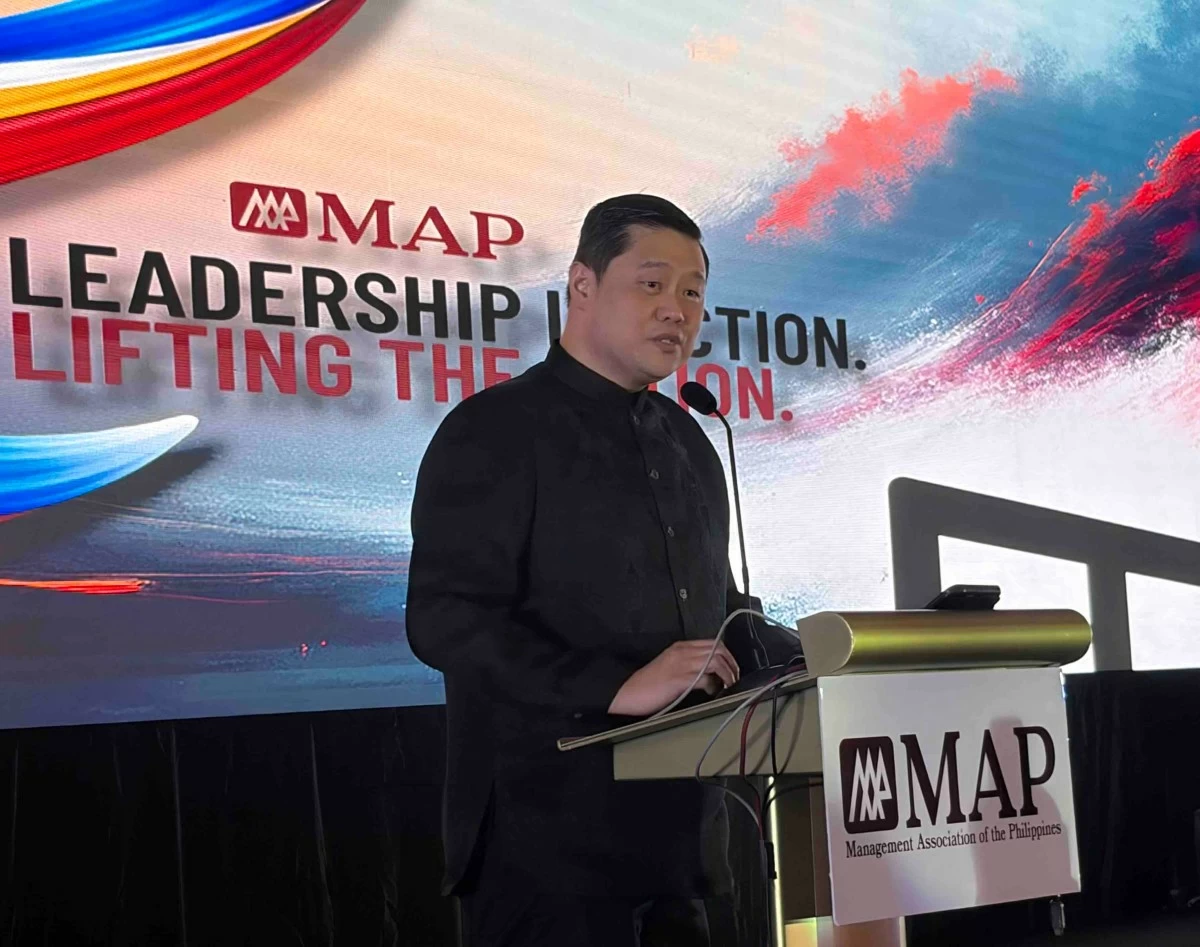
The successful hosting of the Association of Southeast Asian Nations (ASEAN) Summit and related meetings could help improve the country’s standing in the global investment landscape, according to the Management Association of the Philippines (MAP).
MAP President Donald Lim said the ASEAN Summit is an “opportune time” for the country to take regional leadership across multiple industries, driving national development in the process.
“The Philippines, today, we don’t have a very positive image,” Lim said on the sidelines of the business group’s 2026 inaugural meeting on Monday, Jan. 19.
Investment sentiment in the country declined last year as a consequence of shifts in global trade and weaker economic growth, driven by a wide range of issues, including a massive corruption scandal.
Lim said the country needs not only to recover but, more importantly, to rebuild.
He said this is a challenge that should not rest solely in the hands of the government, noting that the private sector must go beyond addressing these problems from the “sidelines.”
“It needs leaders willing to get into the arena, to work with calloused hands and open hearts, and do something that outclasses our individual leaders,” Lim said.
One of the core directions of MAP under Lim’s leadership is positioning itself as a critical partner of the government in hosting the ASEAN Summit.
“It is a leadership test for us in the private sector. It means shifting from programs that serve only our members to initiatives that serve the nation,” Lim said.
“It means measuring our success not by the number of seminars we conduct or the size of our membership, but by the tangible difference we make in the lives of Filipinos who may never attend a single one of our academies,” he added.
Lim said MAP will foster cross-border dialogues, business missions, and partnerships to position the country as a key economic contributor in Southeast Asia.
“The Philippines would not be a passive participant in regional integration, but we will be co-architects of it,” he stressed.
Locally, MAP will launch the Partnerships for Nation program, which seeks to expand the collaboration of the business group with government agencies, civil society groups, and the private sector.
“Our industries do not exist in isolation. Our strength will be in the harmony of many voices acting together. Leadership in action begins with every stakeholder working together toward common goals,” Lim said.
During the ASEAN Summit, he said the business group is keen on championing transformative directions in digital adoption, ensuring that the country takes the lead in shaping the region’s future.
In addition, Lim said there should be a strong effort among local businesses to encourage and attract investments from abroad into the country’s digital ecosystem.
“We will advocate for policies that expand digital infrastructure and digital literacy across our development, ensuring digital access for all to bridge the divide so that opportunity is not limited by geography or income,” said Lim, president of tech conglomerate DITO CME Holdings Corp.
“We will forge partnerships with technology companies not as passive consumers of their products but as active shapers of how technology serves Filipino interests,” he added.
On the most urgent business concerns this year, MAP will advocate for stronger ease of doing business in the country to help firms grow and attract investments.
The business group is also looking at more reforms within the Bureau of Internal Revenue (BIR) to put an end to practices that weaken the private sector’s confidence in the country’s tax system.
Lim said sentiment among business executives is generally optimistic as they await the government’s reforms to lift the economy and boost the country’s competitiveness.
“[Businesses are] cautiously optimistic. And I think that’s a safe answer. Some are more optimistic, but I think everyone is really on the wait and see until something happens. And that’s what’s scary,” Lim said.
“Are we going to wait for 2028 for the wind to change? Or can we do something now?” he underscored.
With this, Lim said MAP is ready to propose more initiatives and programs to help the government in its challenging quest.