ADVERTISEMENT

Avoiding the superflu: Vigilance, prevention, and strong immunity still matter

Published Jan 18, 2026 12:05 am  |  Updated Jan 17, 2026 04:35 pm
In a world still recovering from the shocks of Covid-19, the emergence of another respiratory viral threat—nicknamed the superflu—is a stark reminder that viral illnesses have not vanished and that we must remain vigilant. While the term “super flu” may sound alarmist, its use in public discourse reflects concern about the current wave of influenza A infections driven by a variant of the H3N2 virus, especially the subclade K strain that is spreading across many countries.
It is important to clarify what we mean by superflu. The term is not a formal scientific classification or a new disease entity, but rather a media and public shorthand for a variant of seasonal influenza A (H3N2) that appears to be spreading more widely than typical flu strains this season. Health authorities across the United States, the United Kingdom, parts of Europe, and Asia have reported a surge in flu cases attributed to this subvariant, which may partially evade immunity from previous infection or vaccination and thus infect more people.
The Department of Health and surveillance systems have detected increasing numbers of influenza A(H3N2) subclade K cases nationwide, though many infected individuals have recovered and no alarming pattern of mortality has been established locally. Similar patterns are seen internationally, where countries with temperate climates like the United States and the U.K. have recorded elevated flu activity.
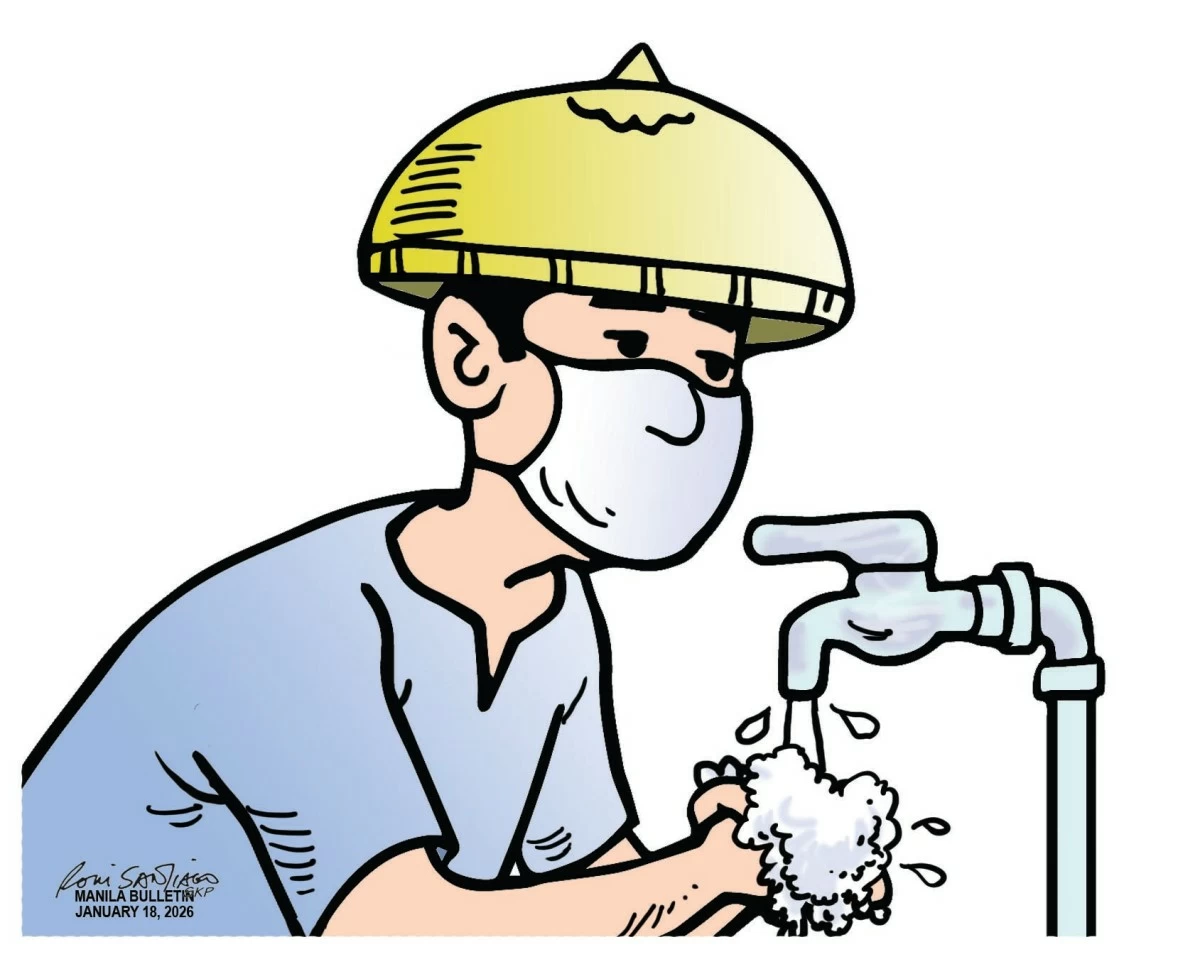
Medical experts underscore that preventing the superflu still rests on the same tried-and-true approaches that have always worked against respiratory viruses. Simple but consistent hygiene practices—frequent handwashing, proper cough etiquette, and mask-use when symptomatic—remain the first line of defense. Dr. Evalyn A. Roxas of the University of the Philippines Manila reminds us that respiratory viruses spread via droplets and contaminated surfaces, and that hands are often the main vehicle for transmission; thus, diligent hand hygiene is “the single most important measure” to prevent spread.
The superflu’s ubiquity in public spaces such as markets, churches, and public transport can heighten anxiety, but alarm can be tempered with preparedness and responsibility. While mask mandates have been lifted in many places, experts still encourage wearing masks when one is sick—or in crowded indoor spaces—to reduce transmission.
Equally vital is early medical consultation: high-risk individuals, including the elderly and those with suppressed immunity, should seek care promptly when symptoms arise rather than waiting until complications develop.
According to the World Health Organization (WHO) “vaccines remain essential, especially for people at high risk of influenza complications and their care givers. Even if there are some genetic differences between the circulating influenza viruses and the strains included in the vaccines, the seasonal influenza vaccine may still provide protection against drifted viruses and the other virus strains included in the vaccine. Vaccination is still expected to protect against severe illness and remains one of the most effective public health measures.”
Maintaining a strong immune system can improve resilience against viral infections. Good nutrition, adequate sleep, regular physical activity, and stress management all contribute to robust immunity. While these lifestyle factors do not guarantee one will never get infected, they do help reduce the severity and duration of illness if infection occurs.
The superflu highlights that influenza remains a persistent and dynamic threat. But the fundamentals of prevention have not changed: responsible behavior, deliberate hygiene, vaccination, and immune health are our most reliable tools. Rather than panic, what is required is practical vigilance—a commitment to protect ourselves, our families, and our communities by avoiding complacency and embracing the basics of respiratory disease
ADVERTISEMENT
.most-popular .layout-ratio{ padding-bottom: 79.13%; } @media (min-width: 768px) and (max-width: 1024px) { .widget-title { font-size: 15px !important; } }

{{ articles_filter_1561_widget.title }}

.most-popular .layout-ratio{ padding-bottom: 79.13%; } @media (min-width: 768px) and (max-width: 1024px) { .widget-title { font-size: 15px !important; } }

{{ articles_filter_1562_widget.title }}

.most-popular .layout-ratio{ padding-bottom: 79.13%; } @media (min-width: 768px) and (max-width: 1024px) { .widget-title { font-size: 15px !important; } }

{{ articles_filter_1563_widget.title }}

{{ articles_filter_1564_widget.title }}

.mb-article-details { position: relative; } .mb-article-details .article-body-preview, .mb-article-details .article-body-summary{ font-size: 17px; line-height: 30px; font-family: "Libre Caslon Text", serif; color: #000; } .mb-article-details .article-body-preview iframe , .mb-article-details .article-body-summary iframe{ width: 100%; margin: auto; } .read-more-background { background: linear-gradient(180deg, color(display-p3 1.000 1.000 1.000 / 0) 13.75%, color(display-p3 1.000 1.000 1.000 / 0.8) 30.79%, color(display-p3 1.000 1.000 1.000) 72.5%); position: absolute; height: 200px; width: 100%; bottom: 0; display: flex; justify-content: center; align-items: center; padding: 0; } .read-more-background a{ color: #000; } .read-more-btn { padding: 17px 45px; font-family: Inter; font-weight: 700; font-size: 18px; line-height: 16px; text-align: center; vertical-align: middle; border: 1px solid black; background-color: white; } .hidden { display: none; }
function initializeAllSwipers() { // Get all hidden inputs with cms_article_id document.querySelectorAll('[id^="cms_article_id_"]').forEach(function (input) { const cmsArticleId = input.value; const articleSelector = '#article-' + cmsArticleId + ' .body_images'; const swiperElement = document.querySelector(articleSelector); if (swiperElement && !swiperElement.classList.contains('swiper-initialized')) { new Swiper(articleSelector, { loop: true, pagination: false, navigation: { nextEl: '#article-' + cmsArticleId + ' .swiper-button-next', prevEl: '#article-' + cmsArticleId + ' .swiper-button-prev', }, }); } }); } setTimeout(initializeAllSwipers, 3000); const intersectionObserver = new IntersectionObserver( (entries) => { entries.forEach((entry) => { if (entry.isIntersecting) { const newUrl = entry.target.getAttribute("data-url"); if (newUrl) { history.pushState(null, null, newUrl); let article = entry.target; // Extract metadata const author = article.querySelector('.author-section').textContent.replace('By', '').trim(); const section = article.querySelector('.section-info ').textContent.replace(' ', ' '); const title = article.querySelector('.article-title h1').textContent; // Parse URL for Chartbeat path format const parsedUrl = new URL(newUrl, window.location.origin); const cleanUrl = parsedUrl.host + parsedUrl.pathname; // Update Chartbeat configuration if (typeof window._sf_async_config !== 'undefined') { window._sf_async_config.path = cleanUrl; window._sf_async_config.sections = section; window._sf_async_config.authors = author; } // Track virtual page view with Chartbeat if (typeof pSUPERFLY !== 'undefined' && typeof pSUPERFLY.virtualPage === 'function') { try { pSUPERFLY.virtualPage({ path: cleanUrl, title: title, sections: section, authors: author }); } catch (error) { console.error('ping error', error); } } // Optional: Update document title if (title && title !== document.title) { document.title = title; } } } }); }, { threshold: 0.1 } ); function showArticleBody(button) { const article = button.closest("article"); const summary = article.querySelector(".article-body-summary"); const body = article.querySelector(".article-body-preview"); const readMoreSection = article.querySelector(".read-more-background"); // Hide summary and read-more section summary.style.display = "none"; readMoreSection.style.display = "none"; // Show the full article body body.classList.remove("hidden"); } document.addEventListener("DOMContentLoaded", () => { let loadCount = 0; // Track how many times articles are loaded const offset = [1, 2, 3, 4, 5, 6, 7, 8, 9, 10]; // Offset values const currentUrl = window.location.pathname.substring(1); let isLoading = false; // Prevent multiple calls if (!currentUrl) { console.log("Current URL is invalid."); return; } const sentinel = document.getElementById("load-more-sentinel"); if (!sentinel) { console.log("Sentinel element not found."); return; } function isSentinelVisible() { const rect = sentinel.getBoundingClientRect(); return ( rect.top < window.innerHeight && rect.bottom >= 0 ); } function onScroll() { if (isLoading) return; if (isSentinelVisible()) { if (loadCount >= offset.length) { console.log("Maximum load attempts reached."); window.removeEventListener("scroll", onScroll); return; } isLoading = true; const currentOffset = offset[loadCount]; window.loadMoreItems().then(() => { let article = document.querySelector('#widget_1690 > div:nth-last-of-type(2) article'); intersectionObserver.observe(article) loadCount++; }).catch(error => { console.error("Error loading more items:", error); }).finally(() => { isLoading = false; }); } } window.addEventListener("scroll", onScroll); });

Sign up by email to receive news.