






Manila Bulletin
 Business
Trade & Industry
Plantation Bay chief targets procurement fraud in premium beef imports
Business
Trade & Industry
Plantation Bay chief targets procurement fraud in premium beef imports
Business
Trade & Industry
Plantation Bay chief targets procurement fraud in premium beef imports
Plantation Bay chief targets procurement fraud in premium beef imports
Published Jan 17, 2026 09:23 am


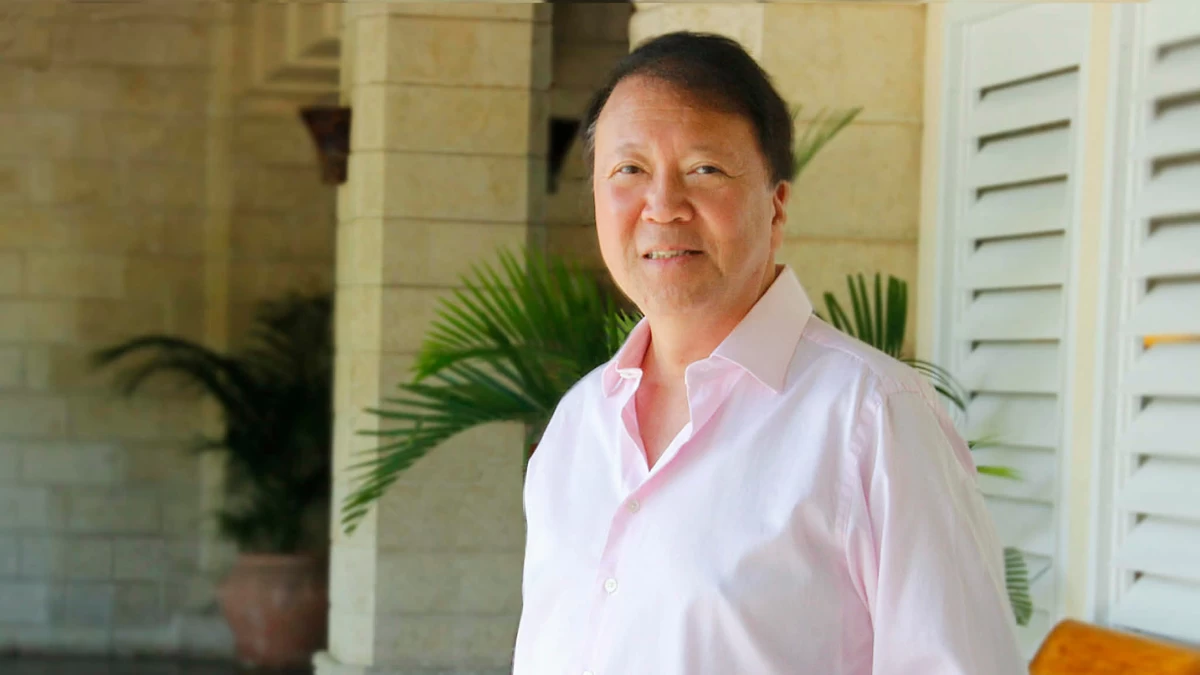
Manny Gonzalez, chief executive officer of Plantation Bay Resort & Spa
Manny Gonzalez, the chief executive officer of Plantation Bay Resort & Spa, is sounding the alarm on luxury meat procurement, providing shareholders of high-end hotels and steakhouses with a framework to verify the authenticity of expensive United States (US) beef imports.
The advisory comes as the hospitality industry faces increasing scrutiny over supply chain integrity. Gonzalez, drawing on his background in international hospitality, warns that the absence of strict documentation often masks the substitution of inferior products for premium labels like USDA Prime and Certified Angus Beef (CAB).
The financial implications are significant for Philippine operators, where a single kilogram of genuine USDA Prime can retail for several thousand pesos, representing a substantial portion of a luxury property’s overhead.
Paper trail of authenticity
According to Gonzalez, the first line of defense for any shareholder or owner is the physical inspection of vacuum packaging. Legitimate US beef exports must carry a USDA certificate of inspection directly on the primary wrap.
Gonzalez noted that a significant volume of beef sold outside the US is falsely labeled as CAB, a marketing brand that requires specific genetic and quality certifications.
He advised stakeholders to bypass secondary spreadsheets and physically inspect inventory in cold storage to ensure that the marbling and documentation align with the premium prices paid.
The lack of a USDA certificate is more than an administrative oversight; it is a red flag for potential fraud. For a luxury resort in Cebu or a boutique steakhouse in Manila, the cost of paying for Prime-grade beef while receiving Choice-grade or unranked local alternatives can result in losses totaling millions of pesos over a fiscal year.
Establishing governance in the kitchen
The CEO’s guidance moves beyond simple label-checking, proposing a more aggressive governance structure for procurement. Gonzalez suggested that shareholders should question why specific imported cuts might be missing from menus despite being ordered in bulk.
He also raised the issue of executive accountability, asking whether a General Manager’s performance metrics include the rigorous verification of high-value perishables.
If documentation is missing, Gonzalez argues that a superficial explanation is rarely sufficient. Using a “bridge in Brooklyn” analogy to describe the gullibility of some owners, he stressed that many suppliers and unscrupulous middle managers rely on a shareholder’s lack of technical knowledge to maintain profitable, albeit dishonest, margins.
Protecting the bottom line
Gonzalez positioned his advisory as a tool for proactive oversight rather than a mere critique of the industry. By empowering owners with technical markers—such as visual marbling standards and certification stamps—he aims to bridge the gap between financial investment and operational reality.
In the luxury consumables sector, where brand reputation is as valuable as the assets themselves, ensuring that a guest receives the quality promised on the menu is critical for long-term sustainability.
The statement reflects a broader push for transparency within the Philippine luxury food sector. As global supply chains remain complex and inflation continues to pressure food and beverage margins, the responsibility for due diligence increasingly falls on the owners to ensure they are not being overcharged for substandard goods.