






Manila Bulletin
 Philippines
National
'Hahabulin namin kayo': Pangilinan warns against misuse of P33-B farm-to-market road funds
Philippines
National
'Hahabulin namin kayo': Pangilinan warns against misuse of P33-B farm-to-market road funds
Philippines
National
'Hahabulin namin kayo': Pangilinan warns against misuse of P33-B farm-to-market road funds
'Hahabulin namin kayo': Pangilinan warns against misuse of P33-B farm-to-market road funds
By Dhel Nazario
Published Jan 17, 2026 01:38 pm


Senator Francis “Kiko” Pangilinan on Friday, Jan. 16, issued a stern warning against any attempt to steal or misuse funds earmarked for the government’s P33-billion farm-to-market road (FMR) program.
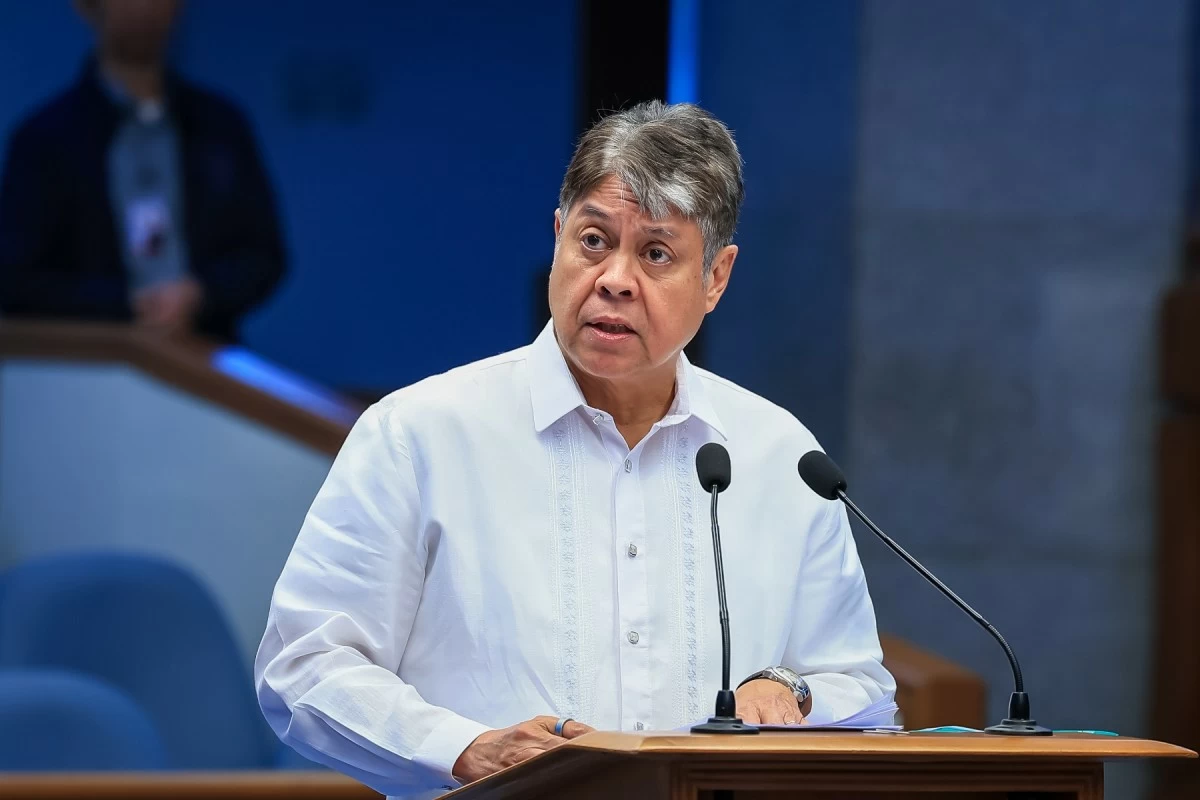
Senator Francis "Kiko" Pangilinan (Senate PRIB photo)
In a radio interview, Pangilinan stressed that he will pursue and hold accountable anyone involved in corrupt practices that deprive farmers of much-needed infrastructure.
“We have put in place several safeguards para talagang matiyak [na walang magiging korapsyon] (to ensure that there will be no corruption),” he said.
“At sana, palagay ko naman itong pakiusap rin natin at siguro warning na rin na tayo mismo bilang chairman of the Committee on Agriculture, hindi tayo papayag sa kalokohan (And hopefully, I believe this is also our appeal and perhaps a warning as well—that as chairman of the Committee on Agriculture, I will not tolerate any wrongdoing),” he said.
“Babantayan natin yan. Kaya sabi nga, wag na nila subukan dahil makakatikim sila. Papatawag natin sila sa Senado. Pagpapaliwanagin natin sila. Isu-subpoena natin sila kung kinakailangan kapag nakita natin na may mga kalokohan (We will closely monitor this. That’s why, as they say, they shouldn’t even try it because they will face the consequences. We will summon them to the Senate, require them to explain, and issue subpoenas if necessary once we see any irregularities),” he added.
The senator, who defended the 2026 budget of the Department of Agriculture (DA) and its attached agencies, pointed out that special provisions—online dashboard, geotagging, and citizens' participatory audit— are put in place for the implementation of FMR projects to protect the P33-billion fund from misappropriation.
The FMR projects will now be implemented by the DA—after previously falling under the mandate of the Department of Public Works and Highways (DPWH)—to work on the 60,000-kilometer FMR backlog that aims to boost rural development, ensure food security, and increase farmers’ and fisherfolk’s incomes.
Aside from the safeguards, Pangilinan also vowed that the DA will be required to validate the actual project cost, detailed engineering design, program of works, approved budget for contract, prevailing market prices, standards unit cost, and site-specific conditions, among others.
He also pointed out the role of the private sector and the local government units in competitive bidding, explaining that this provision was modeled after the program of former Department of Education (DepEd) chief Armin Luistro, who constructed 600 school buildings nearly every week during the Aquino administration because of the private sector-LGU partnership
The senator likewise called on the public to be vigilant when there are infrastructure projects being implemented in their respective areas.
“Kaya panawagan din sa ating mga nasa LGU, sa private sector, ang ating mga citizens groups: ang ating tanggapan ay tanggapan ninyo sa pagbabantay. Let us know kung may mga hindi impormasyong hindi tama ang pag-implimenta (So we are also calling on our LGUs, the private sector, and citizens’ groups: our office is your office in monitoring. Let us know if there is information showing that the implementation is not being done properly),” he said.
“Babantayan natin yan. Kaya ang panawagan natin sa mga magiimplimenta nito ay wag niyo nang itangkang gamitin itong mga pondong ito para sa kurakot dahil hahabulin namin kayo (We will keep watch over this. That’s why our message to those implementing these projects is: don’t even attempt to use these funds for corruption, because we will go after you),” Pangilinan added.
Meanwhile, he also said that he will be following up on DA Secretary Franciso Tiu Laurel Jr.’s commitment to finish its review this first quarter of 2026 of the FMR projects that may have been overpriced.
The senator revealed that some FMR projects have already been tagged for possible corruption and evidence will be readied for the filing of cases.
Earlier, Laurel disclosed that some FMR projects last year have been overpriced by at least 20 percent per kilometer.