






Manila Bulletin
 Environment and Sustainability
Urgent call to protect biodiversity as illegal wildlife trade surges
Environment and Sustainability
Urgent call to protect biodiversity as illegal wildlife trade surges
Environment and Sustainability
Urgent call to protect biodiversity as illegal wildlife trade surges
Urgent call to protect biodiversity as illegal wildlife trade surges
Published Jan 16, 2026 01:38 pm


When discussing biodiversity and conservation, most people immediately think of Eastern Africa, the Amazon rainforest, or the Galapagos Islands.
Yet, “on a per unit area basis, the Philippines probably harbors more diversity of life than any other country on the planet,” according to the Biodiversity Management Bureau (BMB).
Unfortunately, the Philippines is also recognized as one of the world’s biodiversity hotspots—areas rich in species but under severe threat.
“This is because the Philippines continues to experience an alarming rate of destruction of these important resources brought about by overexploitation, deforestation, land degradation, climate change and pollution, among others,” the BMB said.
The Manila-based Asian Development Bank (ADB) has reported that the estimated value of illegal wildlife trade (IWT) in the Philippines ranges from $10 billion to $23 billion annually.
With such figures, IWT ranks as “the fourth most lucrative illegal business after narcotics, human trafficking and arms,” the BMB noted.
The ADB further reported that several areas in the country, particularly coastal zones, serve as transshipment points for wildlife species, both flora and fauna—raising serious enforcement challenges.

Dr. Angel A. Yaptinchay, founder of Marine Wildlife Watch of the Philippines.
“There are many strategies to address illegal wildlife trade, but a strong legal framework is needed for enforcement,” said Dr. AA Yaptinchay, a marine conservation expert who has worked extensively with the Department of Environment and Natural Resources (DENR) and the World Wide Fund for Nature – Philippines.
“The Wildlife Act and the Fisheries Code already provide this framework, but it is in implementation that we need to immensely improve on,” he added.
The Wildlife Act, or Republic Act No. 9147, aims to conserve and protect wildlife species and their habitats, while regulating the collection and trade of these threatened and protected species.
Meanwhile, the Philippine Fisheries Code (Republic Act No. 8550 as amended by Republic Act No. 10654) governs the development, management and conservation of fisheries and aquatic resources and seeks to prevent illegal, unreported and unregulated fishing.
When asked why these laws are not properly implemented, Dr. Yaptinchay pointed to several challenges.
“There are many technical aspects to implementation, including familiarity with wildlife laws and penalties, expertise in species identification that sometimes require forensic technology and law enforcement skills such as surveillance, apprehension and prosecution,” he explained.
“Most of these can be addressed by capacitating law enforcers through training and providing them with the proper guidance, equipment and knowledge products to be able to effectively enforce the law,” he added.
Beyond enforcement, Dr. Yaptinchay stressed the importance of voluntary compliance.
“A necessity in implementation is to espouse voluntary compliance to wildlife protection and the regulation of their trade. In a perfect world, this is achievable if every citizen is aware of these laws, knowledgeable about the status of wildlife, and an understanding why these regulations are important.”
He emphasized the role of awareness campaigns and Information, Education and Communication (IEC) initiatives targeting stakeholders along the trade chain and communities involved in wildlife use.
At the national level, he said, the government must also uphold international commitments such as the Convention on International Trade in Endangered Species of Wild Fauna and Flora (CITES), to which the Philippines is a signatory. CITES aims to ensure that international trade in wild animals and plants does not threaten the survival of the species.
Species that are commonly traded across borders, including shark fins and marine turtle eggs, fall under the scope of this convention.
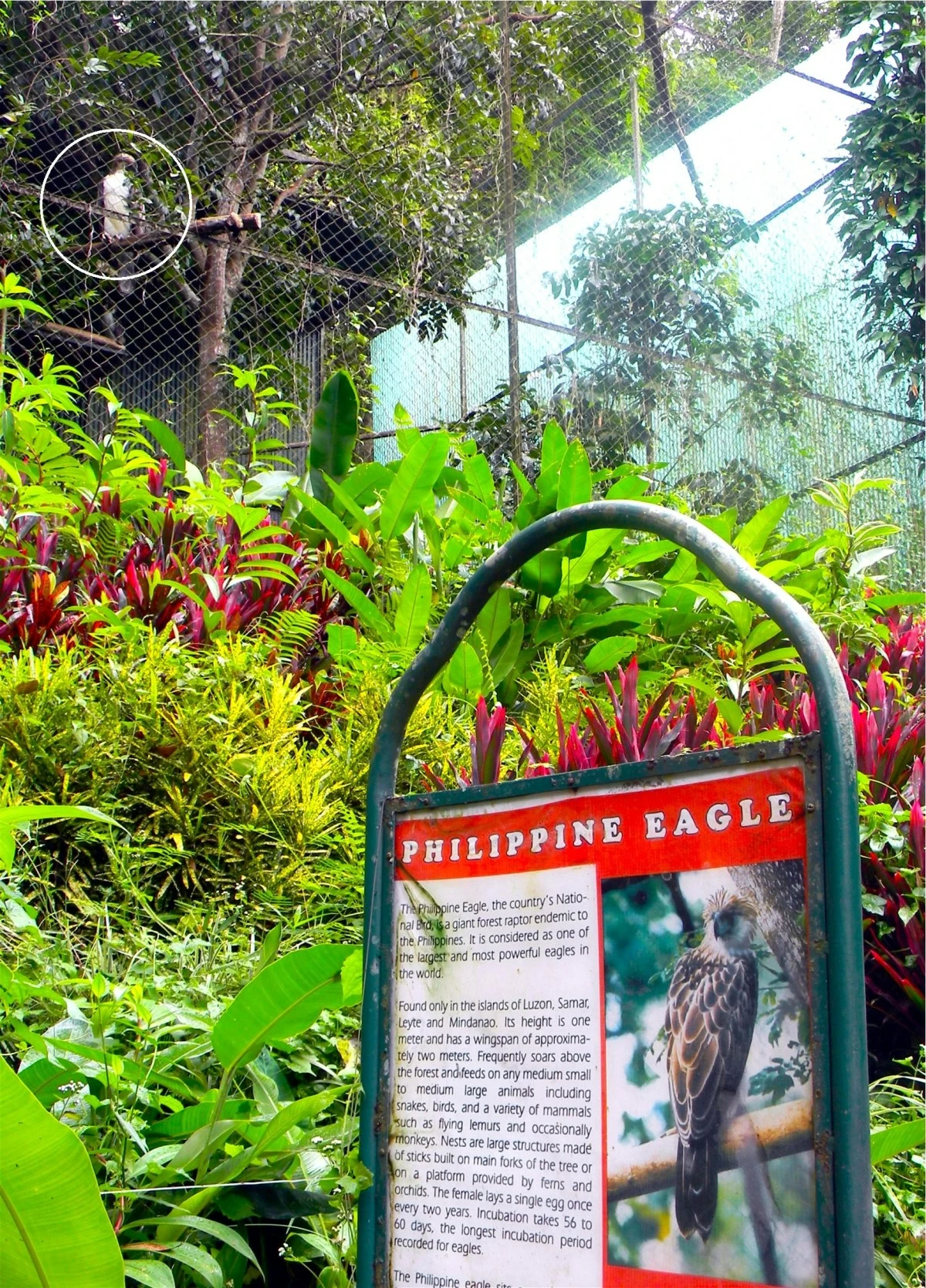
The Philippine eagle, the country’s national bird, is a critically endangered species found only in the Philippines’ forests.

The waling-waling orchid is classified as rare and endangered due to habitat loss and overcollection, making conservation efforts crucial to its survival.
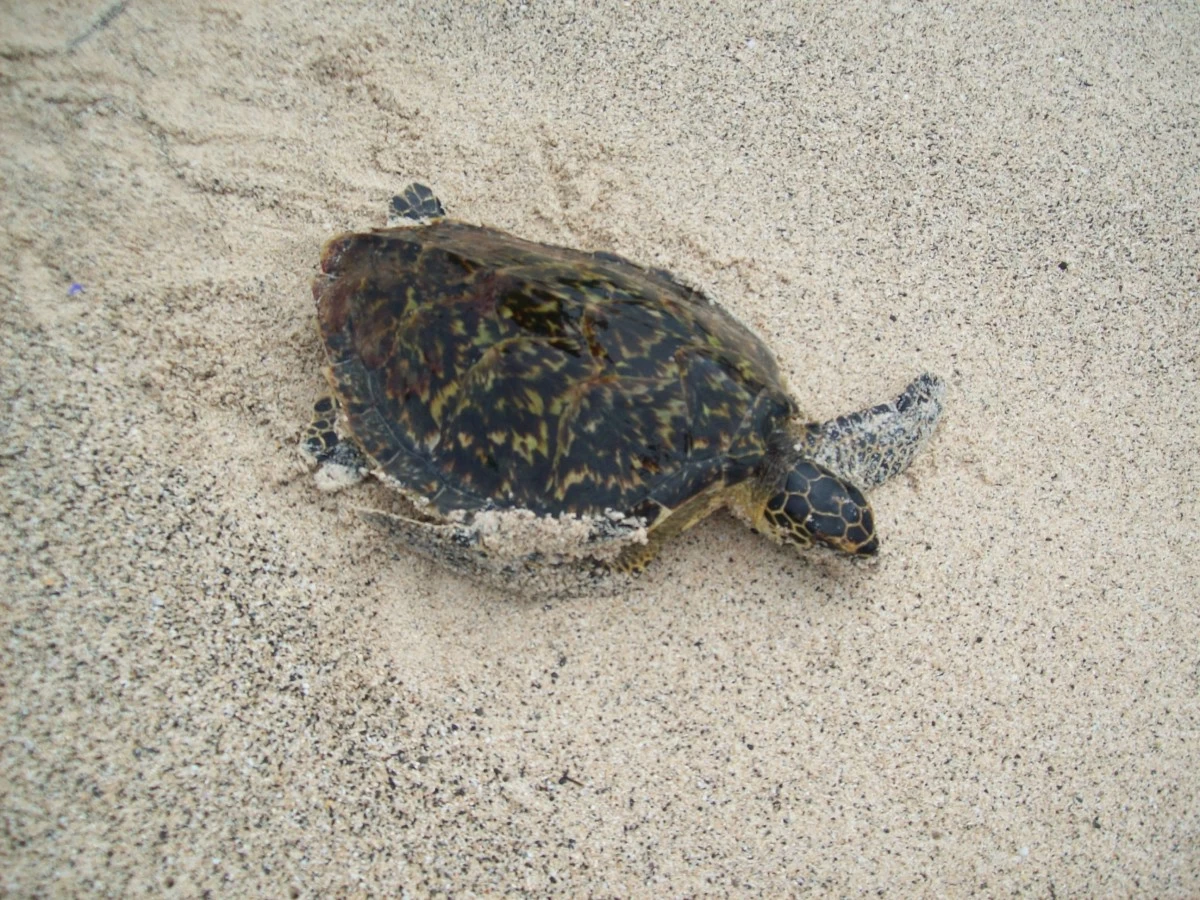
Most marine turtle species, including those found in Philippine waters, are endangered due to poaching, habitat loss and climate impacts on nesting sites. Growing fishing activity also increases the risks they face.
Many species, particularly those found in tropical rainforests, are now facing extinction. Among the country’s endangered species are the Philippine eagle, tamaraw and waling-waling.
Focusing on marine life, Dr. Yaptinchay noted that the list of protected marine wildlife has expanded over the years. Marine turtles, dugong, dolphins and whales have long been recognized as protected species, which has encouraged a degree of voluntary compliance.
However, he said the same progress has not been achieved for sharks and rays.
“About 66 species of sharks, rays and chimaeras are protected in the Philippines, particularly those listed in the CITES appendices. But since many are considered fishery resources and are difficult to identify, enforcement has been challenging,” he said.
He noted that dried shark fins, for example, are exported to China, and monitoring shipments becomes difficult when protected species are not easily identifiable.
Dr. Yaptinchay added that around 50 shark and ray species classified as threatened by the International Union for Conservation of Nature (IUCN) are not protected under Philippine law. “This will require revision of current policies and laws for their protection,” he said.
Illegal wildlife trade is often associated with large-scale smuggling, but Dr. Yaptinchay cautioned that small-scale and community-level trade can also fall under the definition.
He cited the traditional dish kinunot which uses stingray—a non-protected species—but may sometimes involve protected shark species, such as the thresher shark (protected) has proven difficult to control because of the traditional and cultural significance of the dish as well as the difficulty in identifying the species if only meat parts are encountered in the trade, he explained.
“Moreover, when wildlife is accidentally captured, there are no clear regulations on handling and disposal or release of dead or live animals,” he said. “As a result, they are just usually consumed and utilized instead of being discarded.”
Addressing illegal wildlife trade, he added, also requires tackling its root causes.
“Poverty and limited access to agricultural and aquaculture-based food sources need to be addressed,” he said. “Reliance on wildlife as a food source needs to be reduced.”
Ultimately, he stressed, protecting biodiversity is a shared responsibility.
“Participation from national government and local governments, the private sector, communities, conservation groups and private citizens is essential to ensure that our threatened biodiversity is protected from illegal wildlife trade,” he said.
Illegal wildlife trade is just one of the many causes of biodiversity loss in the country. Other major causes include habitat loss and fragmentation, invasive species, climate change and unsustainable extraction.
Dr. Yaptinchay founded the Marine Wildlife Watch of the Philippines (MWWP), a non-government conservation organization in 2009. His work has focused on large marine vertebrates, including marine turtles, dugong, cetaceans, and sharks and rays.
He laments that there is very little research being conducted on shark species in the country. “The fact that there are probably more than 200 chondrichthyan species in Philippine waters, and that they are mostly without protection, makes it imperative that a program for the conservation of this taxonomic group be developed,” he said.
When asked why biodiversity matters, Dr. Yaptinchay underscored its fundamental role in sustaining life.
“The planet functions through the delicate balance of ecosystems. These systems provide essential services such as air, food, water, raw materials and climate regulation. Without biodiversity, ecosystems will collapse, and these life-support systems will cease to function.”