

ADVERTISEMENT

From struggling to reading aloud: How DepEd's BBMP improved early-grade literacy

Independent assessment shows early readers catching up under the 'Bawat Bata Makababasa Program'

Published Jan 16, 2026 05:23 pm

At A Glance

  • DepEd's BBMP boosts early-grade reading in selected Zamboanga Peninsula public schools, an independent assesment shows
  • An evaluation by Youth Impact, DepEd, and the World Bank found improved literacy among Grades 1 to 3 learners in Mother Tongue, Filipino, and English
  • Daily remediation and level-based grouping helped struggling readers improve quickly
  • Results are promising, but stronger systems are needed before nationwide rollout
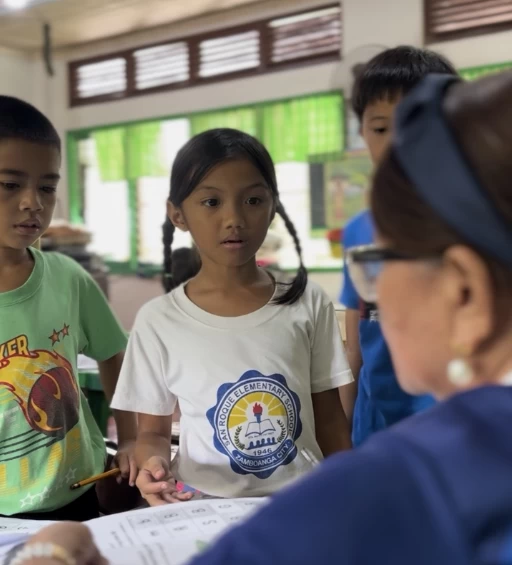
Daily remediation and targeted instruction under the ‘Bawat Bata Makababasa Program’ of the Department of Education (DepEd) are helping young learners in Region IX catch up in reading and build confidence early. (DepEd photo)
In a small public school in the Zamboanga Peninsula, a once-reluctant Grade 2 learner now raises a hand to read aloud—a quiet but telling change teachers say was rare before last summer.
Scenes like this are reflected in the results of an independent evaluation that found significant improvements in early-grade reading outcomes under the Bawat Bata Makababasa Program (BBMP) implemented by the Department of Education (DepEd).
The assessment, conducted by Youth Impact in collaboration with DepEd and the World Bank, reviewed the pilot implementation of BBMP in six public schools in Region IX and found substantial literacy gains across Grades 1 to 3, covering Mother Tongue, Filipino, and English.
DepEd Secretary Sonny Angara, in a statement issued Friday, January 16, said the findings reinforce what educators have long believed: that focused, well-supported early interventions can reverse learning gaps.
“Malinaw ang aral dito na kapag tinutukan mo ang bata, kapag binigyan mo ng oras at tamang suporta, natututo sila (The lesson here is clear: when you focus on the child, when you give them time and proper support, they learn),” Angara said.
“Hindi ito himala, trabaho ito na pinagtutulungan ng mga guro at komunidad (This is not a miracle; it is work carried out collectively by teachers and the community),” he added, noting that literacy recovery remains central to President Marcos’ education agenda.
Faster gains, measurable impact
DepEd noted that among the most striking results were those seen in Grade 2 Filipino reading.
Citing the assessment, DepEd said the proportion of learners reading at grade level jumped from 2.23 percent before the program to 26.22 percent after—an increase of nearly 24 percentage points over a short intervention period.
Average reading proficiency levels rose from 1.28 to 2.40, equivalent to more than one full school year of learning achieved in a compressed timeframe, DepEd said.
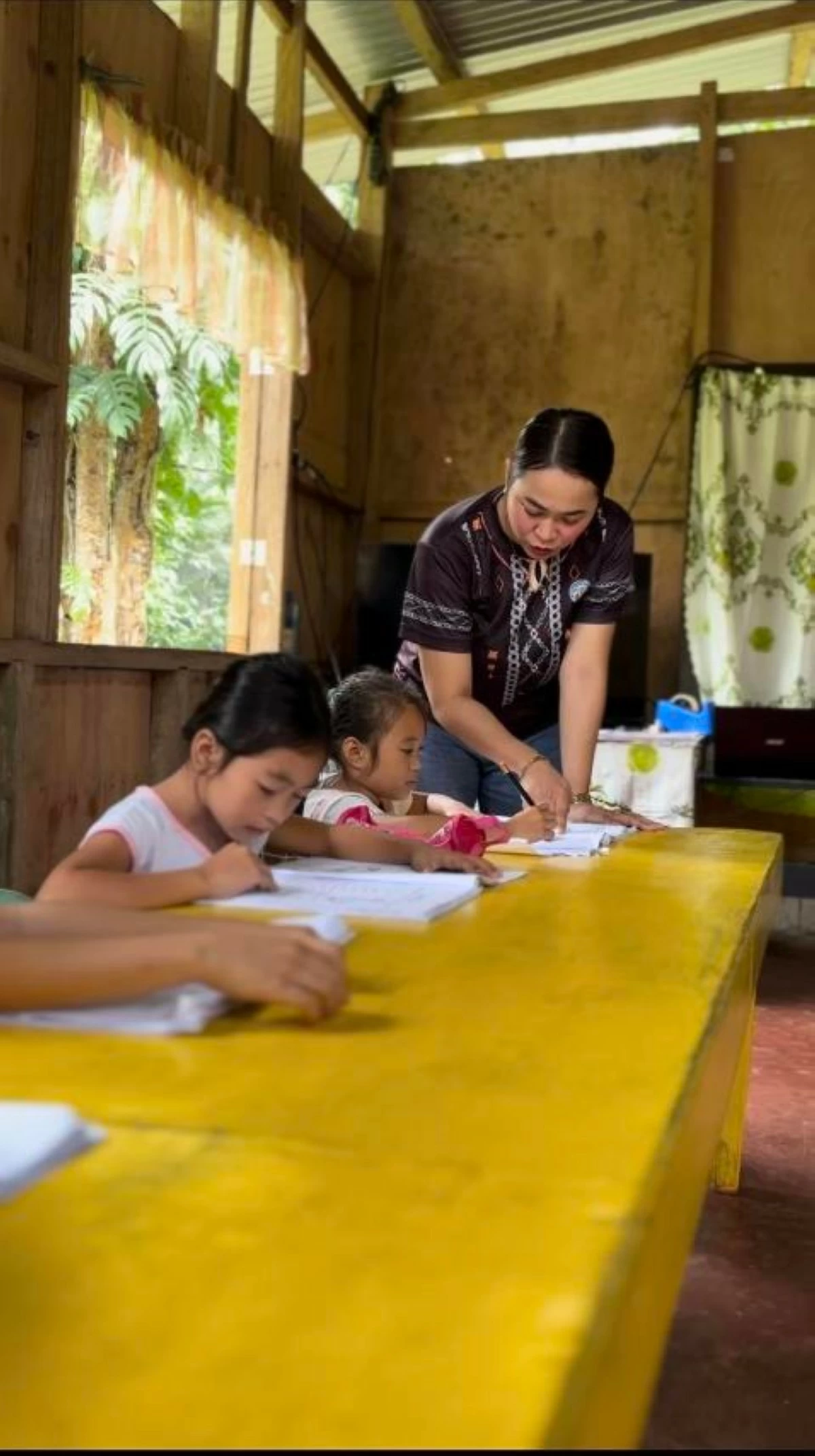
By focusing on daily remediation, community support, and teacher mentoring, the BBMP is helping struggling learners read with confidence—faster than expected. (DepEd photo)
Researchers estimated that learning gains under BBMP were four to five times faster than what is typically achieved through regular classroom instruction over a similar period, the department added.
Without the intervention, the report noted, many learners would likely have experienced learning losses during school breaks instead of gains.
What worked on the ground
Beyond the numbers, DepEd said field observations painted a picture of growing learner confidence.
Teachers reported that struggling readers became more willing to participate, read aloud, and engage in class discussions—sometimes within days of targeted instruction.
The strongest gains, DepEd stressed, were recorded in schools where daily remediation time was protected and learners were grouped according to assessed reading levels, allowing instruction to better match individual needs.
One field implementer cited in the report highlighted efforts to extend learning beyond the classroom.
Based on the report, the implementer said: “We are gradually working to establish reading corners in students’ homes by providing localized learning materials… so that students can continue practicing and engaging with the lessons outside school. Issues related to parents’ literacy levels still persist and affect learner engagement.”
Scaling up and sustaining progress
While encouraged by the pilot’s results, DepEd said evaluators emphasized the need for stronger systems to sustain and expand the gains.
Recommendations included improved mentoring for teachers, streamlined monitoring and reporting, timely delivery of learning resources, and a follow-up impact evaluation to validate results before large-scale rollout.
BBMP is part of DepEd’s 2025 Summer Programs, designed to help learners who are behind in reading reach grade-level proficiency.
Lessons from the evaluation are already being used to strengthen the Academic Recovery and Accessible Learning (ARAL) Program, DepEd said.
As it prepares for broader implementation and further evaluations, DepEd said the early results from Region IX offer cautious optimism: with the right focus, time, and support, struggling readers can catch up—and rediscover the confidence to read again.

Related Tags

Bawat Bata Makababasa Program DepEd early-grade literacy BBMP reading intervention early reading assessment Philippines Grade 1 to 3 literacy gains
ADVERTISEMENT
.most-popular .layout-ratio{ padding-bottom: 79.13%; } @media (min-width: 768px) and (max-width: 1024px) { .widget-title { font-size: 15px !important; } }

{{ articles_filter_1561_widget.title }}

.most-popular .layout-ratio{ padding-bottom: 79.13%; } @media (min-width: 768px) and (max-width: 1024px) { .widget-title { font-size: 15px !important; } }

{{ articles_filter_1562_widget.title }}

.most-popular .layout-ratio{ padding-bottom: 79.13%; } @media (min-width: 768px) and (max-width: 1024px) { .widget-title { font-size: 15px !important; } }

{{ articles_filter_1563_widget.title }}

{{ articles_filter_1564_widget.title }}

.mb-article-details { position: relative; } .mb-article-details .article-body-preview, .mb-article-details .article-body-summary{ font-size: 17px; line-height: 30px; font-family: "Libre Caslon Text", serif; color: #000; } .mb-article-details .article-body-preview iframe , .mb-article-details .article-body-summary iframe{ width: 100%; margin: auto; } .read-more-background { background: linear-gradient(180deg, color(display-p3 1.000 1.000 1.000 / 0) 13.75%, color(display-p3 1.000 1.000 1.000 / 0.8) 30.79%, color(display-p3 1.000 1.000 1.000) 72.5%); position: absolute; height: 200px; width: 100%; bottom: 0; display: flex; justify-content: center; align-items: center; padding: 0; } .read-more-background a{ color: #000; } .read-more-btn { padding: 17px 45px; font-family: Inter; font-weight: 700; font-size: 18px; line-height: 16px; text-align: center; vertical-align: middle; border: 1px solid black; background-color: white; } .hidden { display: none; }
function initializeAllSwipers() { // Get all hidden inputs with cms_article_id document.querySelectorAll('[id^="cms_article_id_"]').forEach(function (input) { const cmsArticleId = input.value; const articleSelector = '#article-' + cmsArticleId + ' .body_images'; const swiperElement = document.querySelector(articleSelector); if (swiperElement && !swiperElement.classList.contains('swiper-initialized')) { new Swiper(articleSelector, { loop: true, pagination: false, navigation: { nextEl: '#article-' + cmsArticleId + ' .swiper-button-next', prevEl: '#article-' + cmsArticleId + ' .swiper-button-prev', }, }); } }); } setTimeout(initializeAllSwipers, 3000); const intersectionObserver = new IntersectionObserver( (entries) => { entries.forEach((entry) => { if (entry.isIntersecting) { const newUrl = entry.target.getAttribute("data-url"); if (newUrl) { history.pushState(null, null, newUrl); let article = entry.target; // Extract metadata const author = article.querySelector('.author-section').textContent.replace('By', '').trim(); const section = article.querySelector('.section-info ').textContent.replace(' ', ' '); const title = article.querySelector('.article-title h1').textContent; // Parse URL for Chartbeat path format const parsedUrl = new URL(newUrl, window.location.origin); const cleanUrl = parsedUrl.host + parsedUrl.pathname; // Update Chartbeat configuration if (typeof window._sf_async_config !== 'undefined') { window._sf_async_config.path = cleanUrl; window._sf_async_config.sections = section; window._sf_async_config.authors = author; } // Track virtual page view with Chartbeat if (typeof pSUPERFLY !== 'undefined' && typeof pSUPERFLY.virtualPage === 'function') { try { pSUPERFLY.virtualPage({ path: cleanUrl, title: title, sections: section, authors: author }); } catch (error) { console.error('ping error', error); } } // Optional: Update document title if (title && title !== document.title) { document.title = title; } } } }); }, { threshold: 0.1 } ); function showArticleBody(button) { const article = button.closest("article"); const summary = article.querySelector(".article-body-summary"); const body = article.querySelector(".article-body-preview"); const readMoreSection = article.querySelector(".read-more-background"); // Hide summary and read-more section summary.style.display = "none"; readMoreSection.style.display = "none"; // Show the full article body body.classList.remove("hidden"); } document.addEventListener("DOMContentLoaded", () => { let loadCount = 0; // Track how many times articles are loaded const offset = [1, 2, 3, 4, 5, 6, 7, 8, 9, 10]; // Offset values const currentUrl = window.location.pathname.substring(1); let isLoading = false; // Prevent multiple calls if (!currentUrl) { console.log("Current URL is invalid."); return; } const sentinel = document.getElementById("load-more-sentinel"); if (!sentinel) { console.log("Sentinel element not found."); return; } function isSentinelVisible() { const rect = sentinel.getBoundingClientRect(); return ( rect.top < window.innerHeight && rect.bottom >= 0 ); } function onScroll() { if (isLoading) return; if (isSentinelVisible()) { if (loadCount >= offset.length) { console.log("Maximum load attempts reached."); window.removeEventListener("scroll", onScroll); return; } isLoading = true; const currentOffset = offset[loadCount]; window.loadMoreItems().then(() => { let article = document.querySelector('#widget_1690 > div:nth-last-of-type(2) article'); intersectionObserver.observe(article) loadCount++; }).catch(error => { console.error("Error loading more items:", error); }).finally(() => { isLoading = false; }); } } window.addEventListener("scroll", onScroll); });

Sign up by email to receive news.