






 Business
Trade & Industry
DA plans ₱100-million contract farming push for high-value crops
Business
Trade & Industry
DA plans ₱100-million contract farming push for high-value crops
DA plans ₱100-million contract farming push for high-value crops


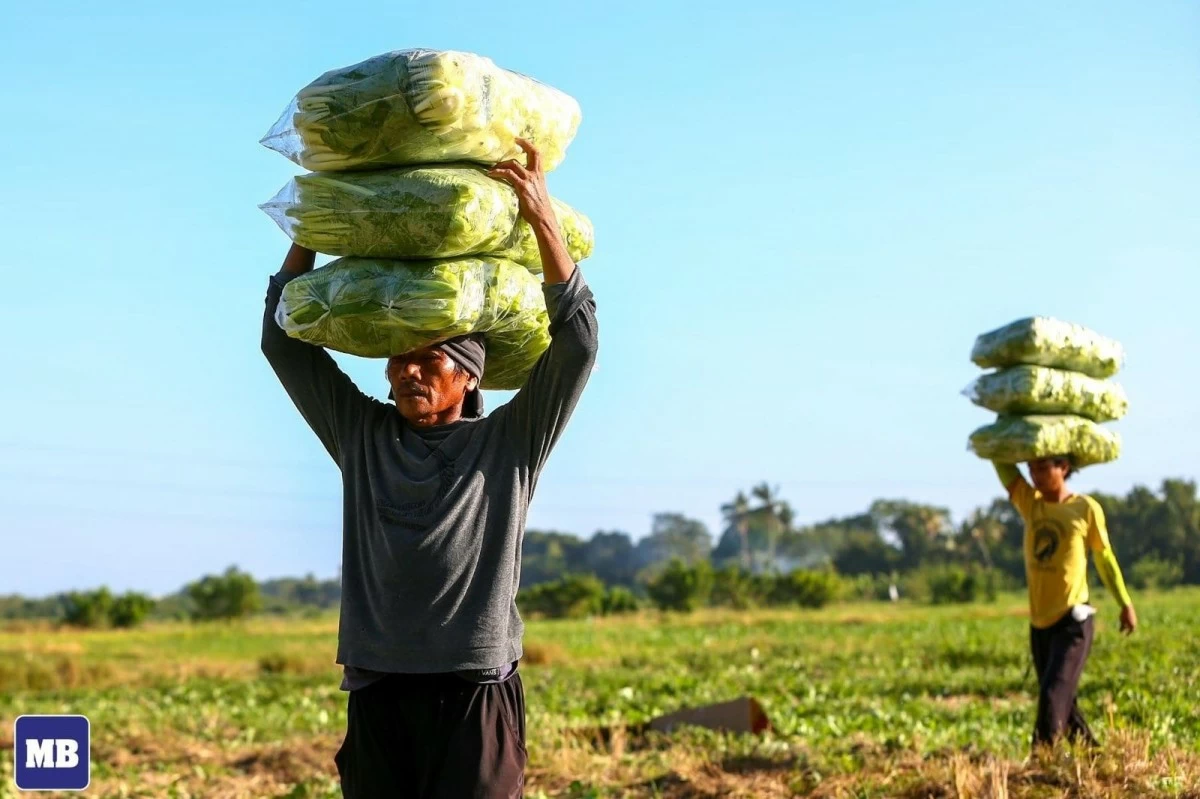
The Department of Agriculture (DA) is planning to allocate at least ₱100 million for a contract farming program aimed at encouraging local farmers to venture into high-value crops and reduce the country’s reliance on imports.
Based on market monitoring, Agriculture Secretary Francisco Tiu Laurel said prices of high-value crops such as chili pepper and mung beans have been steadily increasing in recent months.
Prices of chili pepper have been rising due to the wet season, as the commodity is highly vulnerable to heavy rains and storms.
Mung bean prices, on the other hand, have also posted a steady increase despite strong local production, as the country continues to import the commodity.
To address these concerns, Tiu Laurel said the DA will provide farmers with seeds to grow these crops, which will later be procured by state-run Food Terminal Inc. (FTI).
He said the intention of the program is to train farmers how to grow and market high-value crops, which should serve as another revenue source for them.
“We're still formulating [the funding], but I would assume as of the moment we can allot ₱100 million for that,” Tiu Laurel said on the sidelines of the Big Bold Reforms event on Friday, Jan. 16.
In terms of mung beans, or munggo, the goal of the program is to make the country self-reliant by next year.
According to the DA, the country still imports “significant volumes” of the commodity despite local production reaching around 45,000 metric tons (MT) every year.
The goal for FTI is to purchase up to 80 percent of domestic output, equivalent to around 3,000 MT a month.
Meanwhile, for chili pepper, the DA plans to allocate funding for the construction of greenhouse facilities that can protect the crop from extreme weather and support year-round production.
Tiu Laurel said these facilities will be constructed in provinces near Metro Manila, such as Pampanga, Bataan, Rizal, Laguna, and Bulacan.
Aside from purchasing harvests, FTI will invest in processing facilities that can convert fresh chili into flakes or paste, which are widely used by restaurants, food processors, and retailers.
Tiu Laurel said this would allow surplus production to be absorbed during peak harvests and released when supplies tighten.
Through these efforts, the Secretary said FTI would restore its original mandate of buying directly from farmers with minimal margins and addressing logistics gaps.