






Manila Bulletin
 Business
Trade & Industry
FFCCCII urges Marcos admin to eye 8% growth as 'moral imperative'
Business
Trade & Industry
FFCCCII urges Marcos admin to eye 8% growth as 'moral imperative'
Business
Trade & Industry
FFCCCII urges Marcos admin to eye 8% growth as 'moral imperative'
FFCCCII urges Marcos admin to eye 8% growth as 'moral imperative'
Published Jan 15, 2026 05:05 pm


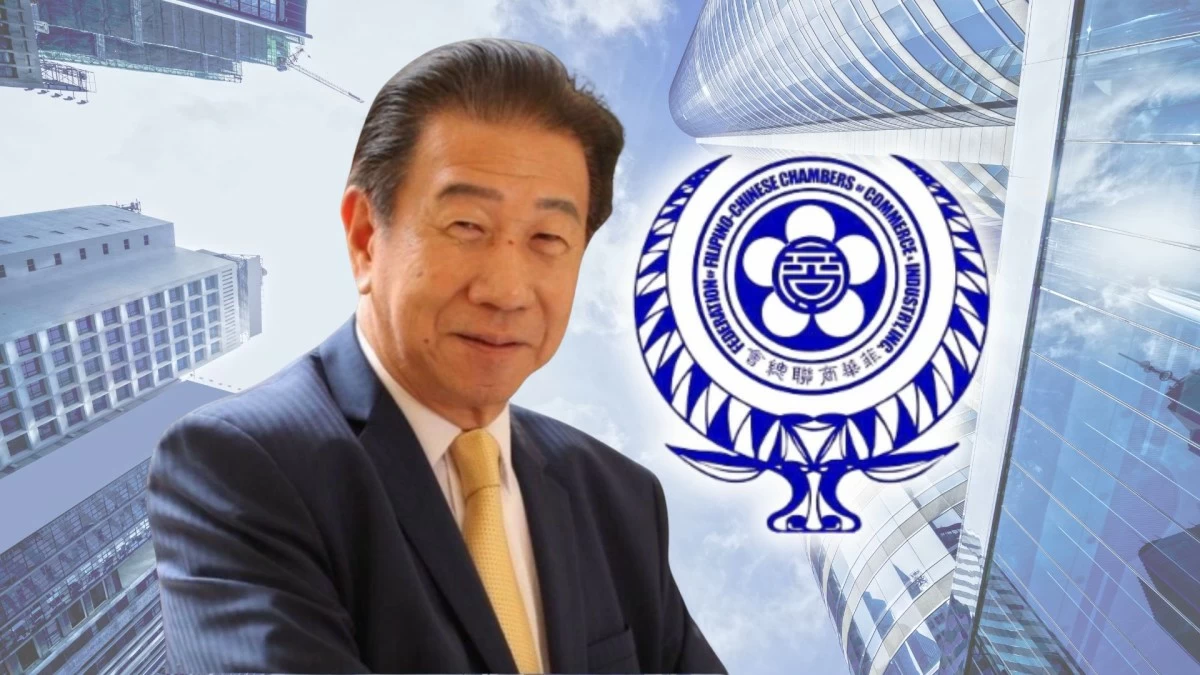
The Marcos administration should strive for an economic growth of at least eight percent through a series of institutional reforms, instead of settling for a lower five to six percent growth this year, the Federation of Filipino Chinese Chambers of Commerce and Industry Inc. (FFCCCII) said.
FFCCCII President Victor Lim said the target for gross domestic product (GDP) growth of between five and six percent is “a sobering administrative acknowledgment of real headwinds.”
The government’s target for the year was initially set at six to seven percent, but it has since been downgraded due to weaker economic indicators in the latter half of last year.
The revision was a direct consequence of global trade uncertainties and the massive corruption scandal over flood control projects, which dampened investor confidence.
Lim, however, said the new target should not limit the country’s economic ambition and instead serve as “a wake-up call.”
“To meet fundamental moral and social imperatives, the Philippine economy must target and seek to achieve sustained annual growth reaching eight percent and beyond,” said Lim.
“The goal of eight percent remains the ideal benchmark of transformative progress, because a steadfast and collective drive toward eight percent is the critical, immediate step that will change our momentum and define this decade,” he added.
FFCCCII noted that the tide could soon turn in the country’s favor, given the low inflation and prospective interest rate cuts.
But the group said these gains are “not reasons for comfort,” stressing instead that they should serve as “the launchpad for acceleration.”
“Aiming for and achieving eight percent growth is a realistic and necessary goal. It is a target within our grasp if we summon the collective will to reform, invest, and execute with unity and precision,” said Lim.
To this end, FFCCCII is urging the government to address the flood control mess head-on by creating an independent, well-resourced anti-corruption agency with full prosecutorial powers to investigate.
The group said this would help restore confidence among domestic and foreign investors, following a slowdown in investment in recent months.
To ensure transparency and prevent corruption in public works, it is asking the government to launch a national strategy aligned with digital transformation, research and development, and green technology.
FFCCCII is calling for a similar strategy in the tourism sector, this time leveraging the country’s cultural and natural assets, to reverse the decline in tourist numbers.
In addition, FFCCCII is pushing for a shift in the spending plans for education and public health, from the current input-based to outcome-based.
This seeks to ensure that “every peso spent truly builds a healthier, smarter, and more competitive workforce.”
The group is also seeking more attention to local manufacturing and agro-industrial development through incentive programs, which would be complemented by tougher action against smuggling, high costs, and unfair import competition.
Lastly, FFCCCII is recommending that the country pursue an independent and balanced foreign policy that “secures national interests, fosters stable relations, and actively opens markets for Philippine goods, services, and talent.”
“This is the decade we choose ambition over accommodation, and action over acceptance,” said Lim.
“The government's revised targets are a snapshot of current momentum. We must now change that momentum entirely,” he added.