







UAE's ADNOC eyes La Union, Subic petrol depot
Published Jan 14, 2026 06:37 pm


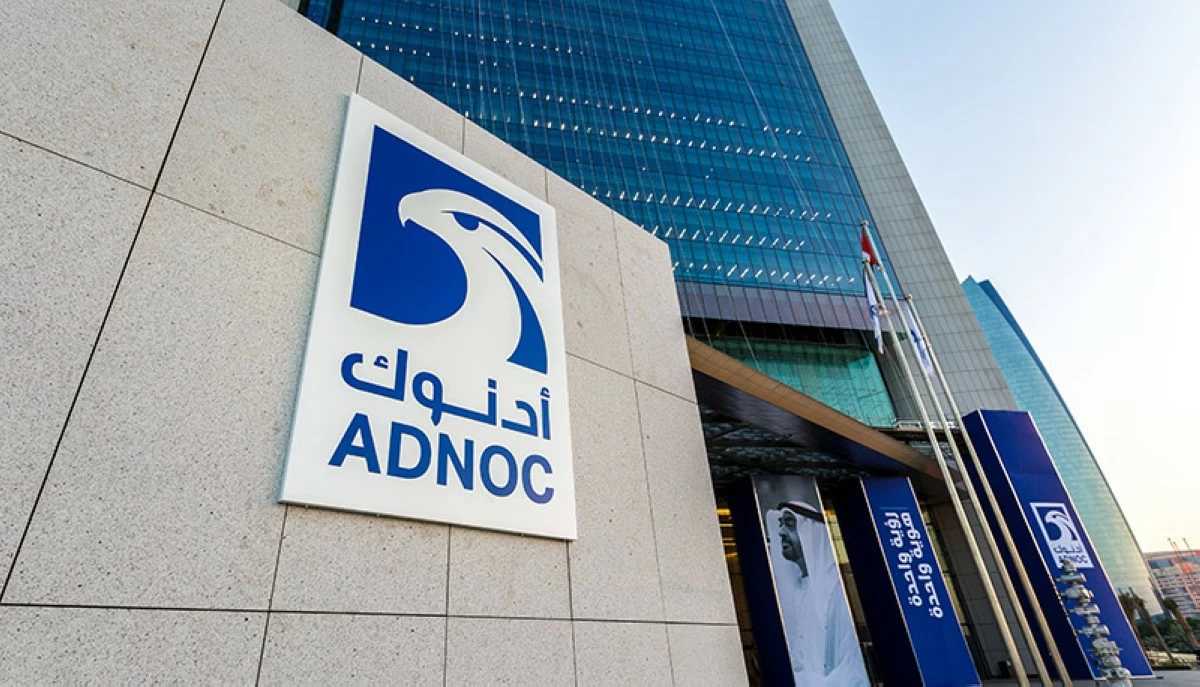
(ADNOC photo)
The United Arab Emirates’ (UAE) largest oil company, Abu Dhabi National Oil Company (ADNOC), is planning to invest in a petroleum depot in the country, according to the Department of Trade and Industry (DTI).
In a statement, the DTI said Trade Secretary Cristina Roque and Finance Secretary Frederick Go met with Sultan Ahmed Al Jaber, chief executive officer (CEO) of ADNOC, on Jan. 12 to strengthen energy cooperation between the UAE and the Philippines.
The state-owned ADNOC disclosed its plan to establish a petroleum depot either in Subic or La Union, as part of the company’s push to expand its presence in the country.
ADNOC currently is involved in the local energy sector through its marine logistics arm, ADNOC Logistics and Services (L&S).
In 2022, ADNOC L&S entered into a 15-year charter agreement with Singapore-based Atlantic, Gulf and Pacific (AG&P) for the floating storage unit ISH, which supports the country’s first liquified natural gas (LNG) import terminal in Batangas.
The DTI said ADNOC has also engaged in spot tendering with local firms like First Gen Corp. and San Miguel Corp.
“The Philippine government is now seeking to formalize more permanent, aggregated supply contracts,” it said.
Building a petroleum depot in the country is seen as a long-term investment that is expected to help the country meet the growing demand for the critical resource.
Roque said the country is "ready and open" for major foreign players like ADNOC, citing the Downstream Oil Industry Deregulation Act, which allows 100 percent foreign ownership in refining and distribution.
She also cited the CREATE MORE Act, which offers enhanced fiscal incentives such as income tax holidays and exemptions to value-added tax (VAT) on imported capital equipment.
The new law that allows foreign investors to lease private land for up to 99 years further liberalizes the country’s investment climate, she said.
These policies are seen complementing the investment promotion and protection provisions under the newly signed comprehensive partnership agreement (CEPA) between the Philippines and UAE.
“Through the Philippines–UAE CEPA, we seek to build long-term partnerships with UAE companies that will strengthen energy security and expand opportunities for Filipino workers and businesses,” Go said.
The CEPA covers stronger cooperation in strategic sectors such as digital trade, trade and sustainable development, government procurement, and economic and technical cooperation, among others.
The trade deal will reduce tariffs and facilitate a more seamless trade for the country’s products to the UAE and vice versa.