

ADVERTISEMENT

Peso slips to another record low of ₱59.44 per US dollar

Published Jan 14, 2026 05:04 pm

At A Glance

  • The Philippine peso sank to a fresh record low for the second time this month, pressured by a strong United States (US) dollar that continued to dominate foreign exchange (forex) markets.
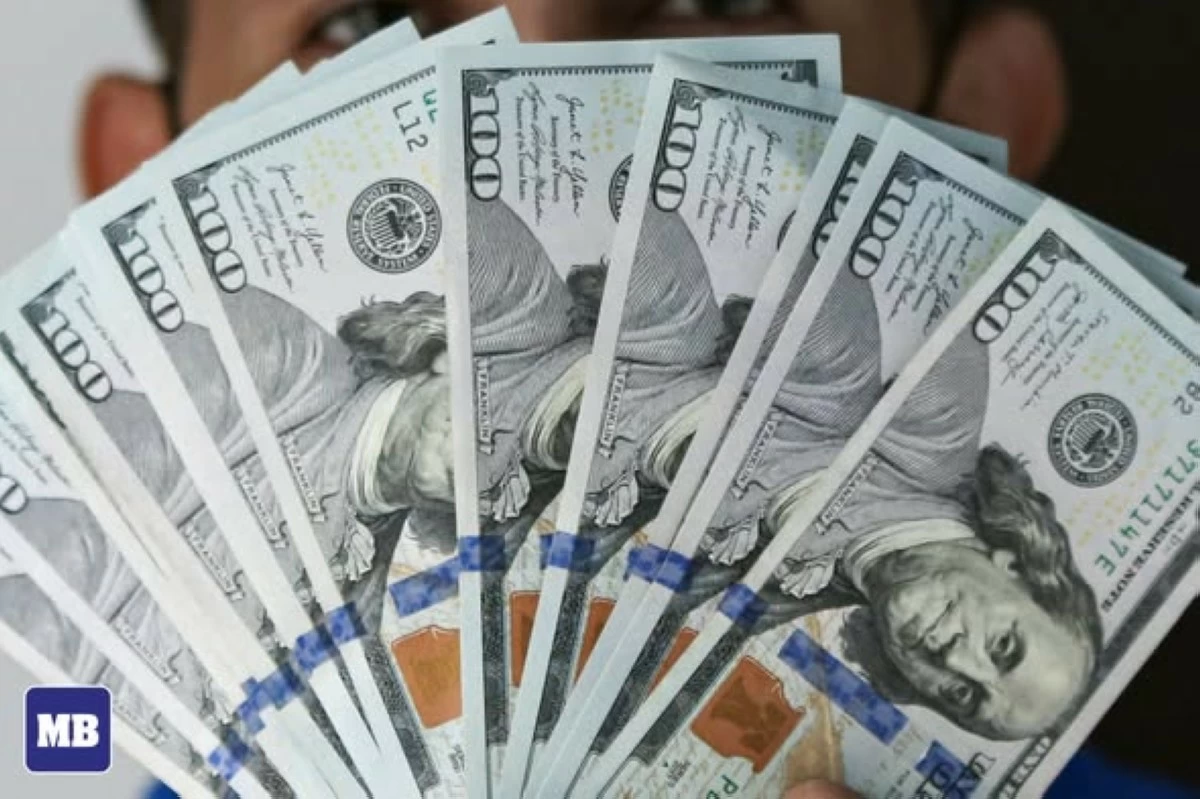
The Philippine peso sank to a fresh record low for the second time this month, pressured by a strong United States (US) dollar that continued to dominate foreign exchange (forex) markets.
According to the Bankers Association of the Philippines (BAP), the peso on Wednesday, Jan. 14, slid to a new historic low of ₱59.44 against the greenback, down from ₱59.341 last Tuesday, Jan. 13.
The local currency hit an intraday low of ₱59.45 and a high of ₱59.35, after opening at ₱59.38. Total trading volume declined to $951 million from Tuesday’s $999.22 million.
MUFG Global Markets Research senior currency analyst Michael Wan said higher oil prices and a weaker Japanese yen are putting near-term pressure on oil-sensitive Asian currencies like the Philippine peso, despite a globally oversupplied oil market.
SM Investments Corp. (SMIC) group economist Robert Dan Roces said the peso slid to another low “as dollar strength, fueled by higher-for-longer US rates and US Federal Reserve (Fed) policy uncertainty, continues to dominate forex markets.”
British banking giant HSBC said in a Jan. 14 commentary that it expects the local currency to “remain largely rangebound this year and reach 59.2:$1 at the end of 2026.” It also expects the peso to remain stable over the next six months.
For Diwa Guinigundo, economist at New York-based GlobalSource Partners Inc., “prolonged foreign direct investment (FDI) weakness could place downward pressure on the peso, especially amid potentially tighter global financial conditions.”
Net inflows of brick-and-mortar FDI in the Philippines plunged to $642 million in October 2025 from $1.07 billion during the same month in the previous year, due to a massive drop in net debt instruments. This represents a fall of 39.8 percent from over $1 billion in October 2024. Month-on-month, however, net FDI inched up from September 2025’s $320 million.
As of end-October 2025, net FDI inflows dropped by a quarter to $6.18 billion from $8.18 billion posted during the same period in 2024, the latest Bangko Sentral ng Pilipinas (BSP) data showed. 
“FDI inflows are expected to remain modest and volatile,” Guinigundo said. “A clearer reform agenda and improved governance starting in 2026 could help unlock the economy’s structural strengths, including favorable demographics and deeper integration into global supply chains.”
ADVERTISEMENT
.most-popular .layout-ratio{ padding-bottom: 79.13%; } @media (min-width: 768px) and (max-width: 1024px) { .widget-title { font-size: 15px !important; } }

{{ articles_filter_1561_widget.title }}

.most-popular .layout-ratio{ padding-bottom: 79.13%; } @media (min-width: 768px) and (max-width: 1024px) { .widget-title { font-size: 15px !important; } }

{{ articles_filter_1562_widget.title }}

.most-popular .layout-ratio{ padding-bottom: 79.13%; } @media (min-width: 768px) and (max-width: 1024px) { .widget-title { font-size: 15px !important; } }

{{ articles_filter_1563_widget.title }}

{{ articles_filter_1564_widget.title }}

.mb-article-details { position: relative; } .mb-article-details .article-body-preview, .mb-article-details .article-body-summary{ font-size: 17px; line-height: 30px; font-family: "Libre Caslon Text", serif; color: #000; } .mb-article-details .article-body-preview iframe , .mb-article-details .article-body-summary iframe{ width: 100%; margin: auto; } .read-more-background { background: linear-gradient(180deg, color(display-p3 1.000 1.000 1.000 / 0) 13.75%, color(display-p3 1.000 1.000 1.000 / 0.8) 30.79%, color(display-p3 1.000 1.000 1.000) 72.5%); position: absolute; height: 200px; width: 100%; bottom: 0; display: flex; justify-content: center; align-items: center; padding: 0; } .read-more-background a{ color: #000; } .read-more-btn { padding: 17px 45px; font-family: Inter; font-weight: 700; font-size: 18px; line-height: 16px; text-align: center; vertical-align: middle; border: 1px solid black; background-color: white; } .hidden { display: none; }
function initializeAllSwipers() { // Get all hidden inputs with cms_article_id document.querySelectorAll('[id^="cms_article_id_"]').forEach(function (input) { const cmsArticleId = input.value; const articleSelector = '#article-' + cmsArticleId + ' .body_images'; const swiperElement = document.querySelector(articleSelector); if (swiperElement && !swiperElement.classList.contains('swiper-initialized')) { new Swiper(articleSelector, { loop: true, pagination: false, navigation: { nextEl: '#article-' + cmsArticleId + ' .swiper-button-next', prevEl: '#article-' + cmsArticleId + ' .swiper-button-prev', }, }); } }); } setTimeout(initializeAllSwipers, 3000); const intersectionObserver = new IntersectionObserver( (entries) => { entries.forEach((entry) => { if (entry.isIntersecting) { const newUrl = entry.target.getAttribute("data-url"); if (newUrl) { history.pushState(null, null, newUrl); let article = entry.target; // Extract metadata const author = article.querySelector('.author-section').textContent.replace('By', '').trim(); const section = article.querySelector('.section-info ').textContent.replace(' ', ' '); const title = article.querySelector('.article-title h1').textContent; // Parse URL for Chartbeat path format const parsedUrl = new URL(newUrl, window.location.origin); const cleanUrl = parsedUrl.host + parsedUrl.pathname; // Update Chartbeat configuration if (typeof window._sf_async_config !== 'undefined') { window._sf_async_config.path = cleanUrl; window._sf_async_config.sections = section; window._sf_async_config.authors = author; } // Track virtual page view with Chartbeat if (typeof pSUPERFLY !== 'undefined' && typeof pSUPERFLY.virtualPage === 'function') { try { pSUPERFLY.virtualPage({ path: cleanUrl, title: title, sections: section, authors: author }); } catch (error) { console.error('ping error', error); } } // Optional: Update document title if (title && title !== document.title) { document.title = title; } } } }); }, { threshold: 0.1 } ); function showArticleBody(button) { const article = button.closest("article"); const summary = article.querySelector(".article-body-summary"); const body = article.querySelector(".article-body-preview"); const readMoreSection = article.querySelector(".read-more-background"); // Hide summary and read-more section summary.style.display = "none"; readMoreSection.style.display = "none"; // Show the full article body body.classList.remove("hidden"); } document.addEventListener("DOMContentLoaded", () => { let loadCount = 0; // Track how many times articles are loaded const offset = [1, 2, 3, 4, 5, 6, 7, 8, 9, 10]; // Offset values const currentUrl = window.location.pathname.substring(1); let isLoading = false; // Prevent multiple calls if (!currentUrl) { console.log("Current URL is invalid."); return; } const sentinel = document.getElementById("load-more-sentinel"); if (!sentinel) { console.log("Sentinel element not found."); return; } function isSentinelVisible() { const rect = sentinel.getBoundingClientRect(); return ( rect.top < window.innerHeight && rect.bottom >= 0 ); } function onScroll() { if (isLoading) return; if (isSentinelVisible()) { if (loadCount >= offset.length) { console.log("Maximum load attempts reached."); window.removeEventListener("scroll", onScroll); return; } isLoading = true; const currentOffset = offset[loadCount]; window.loadMoreItems().then(() => { let article = document.querySelector('#widget_1690 > div:nth-last-of-type(2) article'); intersectionObserver.observe(article) loadCount++; }).catch(error => { console.error("Error loading more items:", error); }).finally(() => { isLoading = false; }); } } window.addEventListener("scroll", onScroll); });

Sign up by email to receive news.