







The joy of working beyond retirement
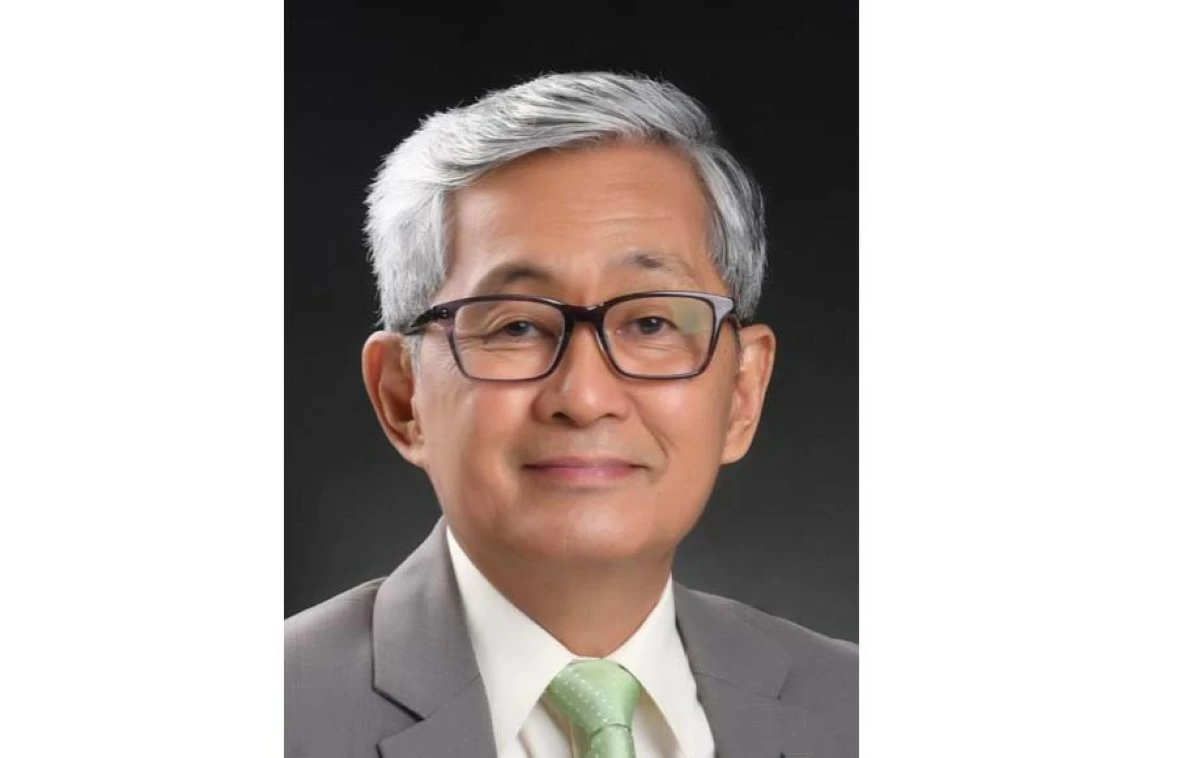
By Mon Ibrahim
Published Jan 13, 2026 12:05 am
|
Updated Jan 12, 2026 06:29 pm


TECH4GOOD
Finding baby boomers still active in the workplace is becoming rare. Although in places like Singapore and Japan, it is not unusual to see seniors still working.
We were all given a script early in our careers. You worked hard for 40 years, punched the clock, maybe climbed a modest ladder, and at age 65, you were given a despedida, a gold watch for some lucky ones, and a pension. You went home to sit on a rocking chair, spoil the grandkids, and rest. But a funny thing usually happens after some time: we realize we are not tired.
Retirement used to be a quiet retreat from the hustle of working life. Today, the concept of retirement is undergoing a massive renovation. For many like myself, it is simply a new beginning. We are seeing a quiet revolution of people working well into their 70s and 80s—not always out of necessity, but out of a genuine desire to stay in the game and stay alive in every sense of the word. It is a celebration of purpose, vitality, and connection. For me, it is the best thing I have done for myself.
There is joy in waking up with a reason to get dressed, engage with others, and contribute to something larger than oneself. We soon find that continuing to work sharpens our minds and keeps our bodies active. Studies have shown that mental stimulation and social interaction are key to maintaining cognitive health, and having a job offers both in abundance. When we stop working, we do not just lose a paycheck; we lose a massive source of cognitive friction. That friction is good. Navigating the changes, solving complex problems, and learning new skills are like bench presses for the brain.
Physically, the routine of commuting, moving around, and staying engaged can help stave off the sedentary lifestyle that often accompanies retirement. Whether it is mentoring younger colleagues, consulting part-time, or launching a passion project, work provides structure and meaning.
What makes it easy for retirees to start a second act? Of course, technology is a complicated blessing and a key enabler. It has democratized work. The workplace of 50 years ago was a different world. Offices were filled with the rhythmic clatter of typewriters, rotary phones, and filing cabinets. Work was tactile. It was loud. It was face-to-face because it had to be. If you wanted to close a deal, you may need to play a round of golf or buy your prospect a steak dinner.
Fast forward to today, and the landscape has transformed dramatically. You do not need to commute two hours into the city to be effective. Tools like Zoom and email allow us to consult, mentor, and create from anywhere. This flexibility is the secret sauce for working past 65. It allows us to balance productivity with the physical need for a slower pace. We have replaced smoke breaks for branded smoothie cups and filing cabinets for the Cloud.
On the other hand, the digital age may have stripped away some of the humanity. The casual mentorship that happened when a senior VP stopped by a junior associate’s desk is harder to replicate over virtual meet-ups. There is also a learning curve that can feel like a vertical wall when mastering a software tool. It can feel infinitely more exhausting than the physical labor of the past.
But there is a thrill in mastering it. There is a specific kind of joy in realizing that, yes, you can keep up with the 25-year-olds on the digital front, while beating them on strategy because you have seen this problem before.
Beyond the tech divide, one reality is becoming impossible to ignore: work keeps us young. Physically, the benefits are tangible. Work forces a routine. It demands you get up, get dressed, and move. It prevents the sedentary slide that often accompanies a traditional retirement. The joy here is not just about fun; it is about maintaining vitality. It is the feeling of being necessary.
When a senior employee leaves, they take decades of institutional knowledge out the door with them. Older workers act as stabilizing anchors. We bridge the gap between the analog past and the digital future. We teach the younger generation the soft skills that an AI cannot replicate: how to read situations, how to negotiate with empathy, and how to handle failure.
Having a retirement pension and a regular paycheck are the best things that can happen to us retirees. Those project deadlines will keep me young. I would like to continue having conversations with a colleague that may spark new ideas. The rocking chair will always be there, but for now, there is too much work to be done, and too much life left to be lived.
(The author is an executive member of the National Innovation Council, lead convener of the Alliance for Technology Innovators for the Nation (ATIN), vice president of the Analytics and AI Association of the Philippines, and vice president of UP System Information Technology Foundation. Email: [email protected])