ADVERTISEMENT

Philippines approves 100,000-MT raw sugar exports to US

Published Jan 12, 2026 04:59 pm
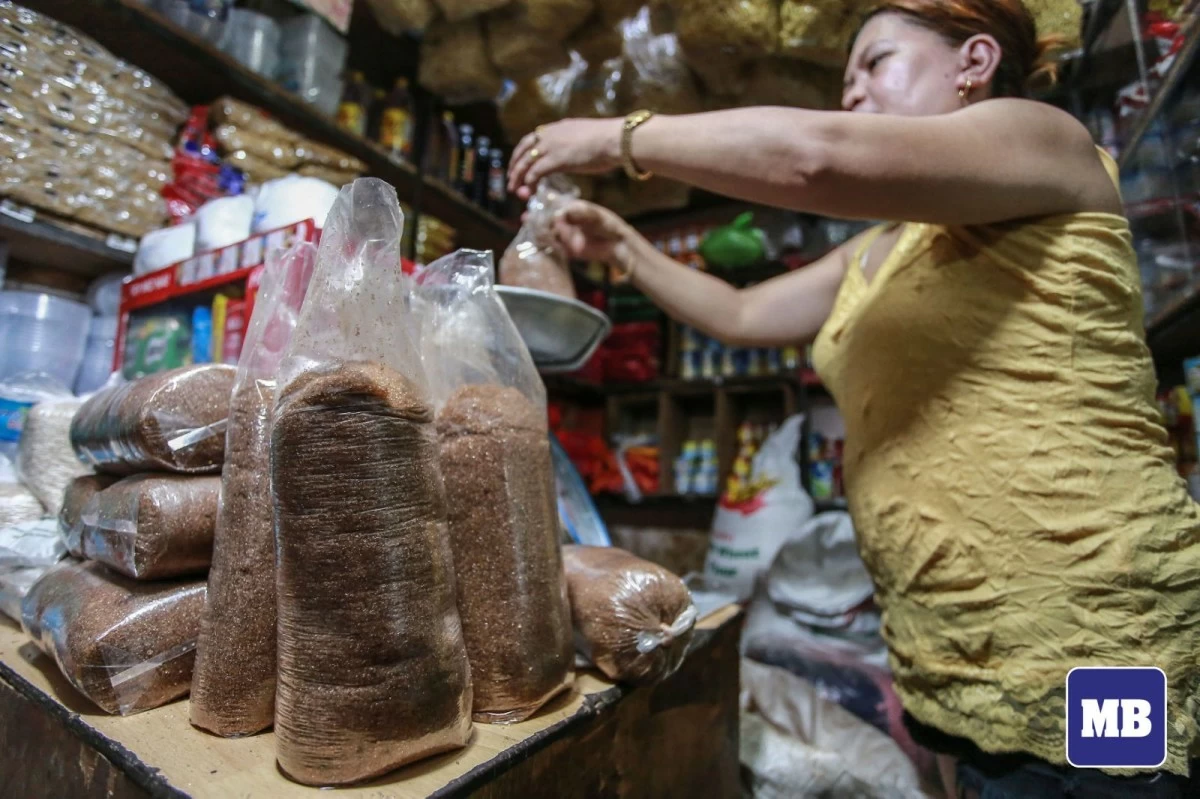
(Manila Bulletin file photo)

The government has approved a plan to export 100,000 metric tons (MT) of raw sugar to the United States (US) to reduce domestic stocks and lift farmgate prices of the commodity.

Department of Agriculture (DA) Secretary Francisco Tiu Laurel Jr. said the export approval is part of the government’s efforts to fulfill its raw sugar quota to the US, pegged at 145,235 MT.

“We will export raw sugar under the US quota system as soon as possible to provide the industry immediate relief,” he said.

This will mark the third straight year that the Philippines will export raw sugar to the US through its tariff-rate quota (TRQ) system.

TRQ, which is allocated based on historical trade volumes, enables countries to export specified quantities of a product to the US at a relatively low tariff.

This allows local sugar exporters to command higher-than-average quota prices, making it more lucrative than selling on global spot markets.

Due to delays in the country’s decision to participate, the quota has since been downgraded to only 100,000 MT from the initial allocation of 145,235 MT.

The Sugar Regulatory Administration (SRA) previously ruled that all raw sugar production in the current crop year would be classified as “B,” or for domestic use, as output continued to fall short of domestic demand.

But SRA now said there is an oversupply of around 130,000 MT in domestic stocks because of an increase in production.

“The last two years’ exports of raw sugar have helped increase our farmer prices, and this year, this is a much-needed step that our farmers need,” said SRA Administrator Pablo Luis Azcona.

Tiu Laurel, who chairs SRA’s policy-making body, said exports to the US will ease downward pressure on sugar prices that have been plaguing sugar farmers despite recent policy actions.

Earlier, the DA extended the temporary suspension of sugar imports from the end of the milling season to last December in a move to prioritize locally produced sugar.

As of Dec. 21, 2025, millsite prices of sugar were down 14 percent to ₱2,174 per 50-kilogram (LKg) bag compared with ₱2,476 per LKg a year earlier.

While an investigation is now underway, the DA said the decline in prices could be attributed to a surge in artificial sweeteners and other sugar substitute imports, which are estimated to be around 500,000 MT.

Tiu Laurel said he is open to regulating the entry of these commodities if market disruptions persist.

He added that he will also ask the Department of Health (DOH) to review the potential public health implications of the widespread use of these intense sweetening agents, which are found to be at least 200 times sweeter than regular sugar.

ADVERTISEMENT
.most-popular .layout-ratio{ padding-bottom: 79.13%; } @media (min-width: 768px) and (max-width: 1024px) { .widget-title { font-size: 15px !important; } }

{{ articles_filter_1561_widget.title }}

.most-popular .layout-ratio{ padding-bottom: 79.13%; } @media (min-width: 768px) and (max-width: 1024px) { .widget-title { font-size: 15px !important; } }

{{ articles_filter_1562_widget.title }}

.most-popular .layout-ratio{ padding-bottom: 79.13%; } @media (min-width: 768px) and (max-width: 1024px) { .widget-title { font-size: 15px !important; } }

{{ articles_filter_1563_widget.title }}

{{ articles_filter_1564_widget.title }}

.mb-article-details { position: relative; } .mb-article-details .article-body-preview, .mb-article-details .article-body-summary{ font-size: 17px; line-height: 30px; font-family: "Libre Caslon Text", serif; color: #000; } .mb-article-details .article-body-preview iframe , .mb-article-details .article-body-summary iframe{ width: 100%; margin: auto; } .read-more-background { background: linear-gradient(180deg, color(display-p3 1.000 1.000 1.000 / 0) 13.75%, color(display-p3 1.000 1.000 1.000 / 0.8) 30.79%, color(display-p3 1.000 1.000 1.000) 72.5%); position: absolute; height: 200px; width: 100%; bottom: 0; display: flex; justify-content: center; align-items: center; padding: 0; } .read-more-background a{ color: #000; } .read-more-btn { padding: 17px 45px; font-family: Inter; font-weight: 700; font-size: 18px; line-height: 16px; text-align: center; vertical-align: middle; border: 1px solid black; background-color: white; } .hidden { display: none; }
function initializeAllSwipers() { // Get all hidden inputs with cms_article_id document.querySelectorAll('[id^="cms_article_id_"]').forEach(function (input) { const cmsArticleId = input.value; const articleSelector = '#article-' + cmsArticleId + ' .body_images'; const swiperElement = document.querySelector(articleSelector); if (swiperElement && !swiperElement.classList.contains('swiper-initialized')) { new Swiper(articleSelector, { loop: true, pagination: false, navigation: { nextEl: '#article-' + cmsArticleId + ' .swiper-button-next', prevEl: '#article-' + cmsArticleId + ' .swiper-button-prev', }, }); } }); } setTimeout(initializeAllSwipers, 3000); const intersectionObserver = new IntersectionObserver( (entries) => { entries.forEach((entry) => { if (entry.isIntersecting) { const newUrl = entry.target.getAttribute("data-url"); if (newUrl) { history.pushState(null, null, newUrl); let article = entry.target; // Extract metadata const author = article.querySelector('.author-section').textContent.replace('By', '').trim(); const section = article.querySelector('.section-info ').textContent.replace(' ', ' '); const title = article.querySelector('.article-title h1').textContent; // Parse URL for Chartbeat path format const parsedUrl = new URL(newUrl, window.location.origin); const cleanUrl = parsedUrl.host + parsedUrl.pathname; // Update Chartbeat configuration if (typeof window._sf_async_config !== 'undefined') { window._sf_async_config.path = cleanUrl; window._sf_async_config.sections = section; window._sf_async_config.authors = author; } // Track virtual page view with Chartbeat if (typeof pSUPERFLY !== 'undefined' && typeof pSUPERFLY.virtualPage === 'function') { try { pSUPERFLY.virtualPage({ path: cleanUrl, title: title, sections: section, authors: author }); } catch (error) { console.error('ping error', error); } } // Optional: Update document title if (title && title !== document.title) { document.title = title; } } } }); }, { threshold: 0.1 } ); function showArticleBody(button) { const article = button.closest("article"); const summary = article.querySelector(".article-body-summary"); const body = article.querySelector(".article-body-preview"); const readMoreSection = article.querySelector(".read-more-background"); // Hide summary and read-more section summary.style.display = "none"; readMoreSection.style.display = "none"; // Show the full article body body.classList.remove("hidden"); } document.addEventListener("DOMContentLoaded", () => { let loadCount = 0; // Track how many times articles are loaded const offset = [1, 2, 3, 4, 5, 6, 7, 8, 9, 10]; // Offset values const currentUrl = window.location.pathname.substring(1); let isLoading = false; // Prevent multiple calls if (!currentUrl) { console.log("Current URL is invalid."); return; } const sentinel = document.getElementById("load-more-sentinel"); if (!sentinel) { console.log("Sentinel element not found."); return; } function isSentinelVisible() { const rect = sentinel.getBoundingClientRect(); return ( rect.top < window.innerHeight && rect.bottom >= 0 ); } function onScroll() { if (isLoading) return; if (isSentinelVisible()) { if (loadCount >= offset.length) { console.log("Maximum load attempts reached."); window.removeEventListener("scroll", onScroll); return; } isLoading = true; const currentOffset = offset[loadCount]; window.loadMoreItems().then(() => { let article = document.querySelector('#widget_1690 > div:nth-last-of-type(2) article'); intersectionObserver.observe(article) loadCount++; }).catch(error => { console.error("Error loading more items:", error); }).finally(() => { isLoading = false; }); } } window.addEventListener("scroll", onScroll); });

Sign up by email to receive news.