







Philippine exports seen hitting lower end of 2026 target
Published Jan 12, 2026 12:00 am
|
Updated Jan 10, 2026 02:20 pm


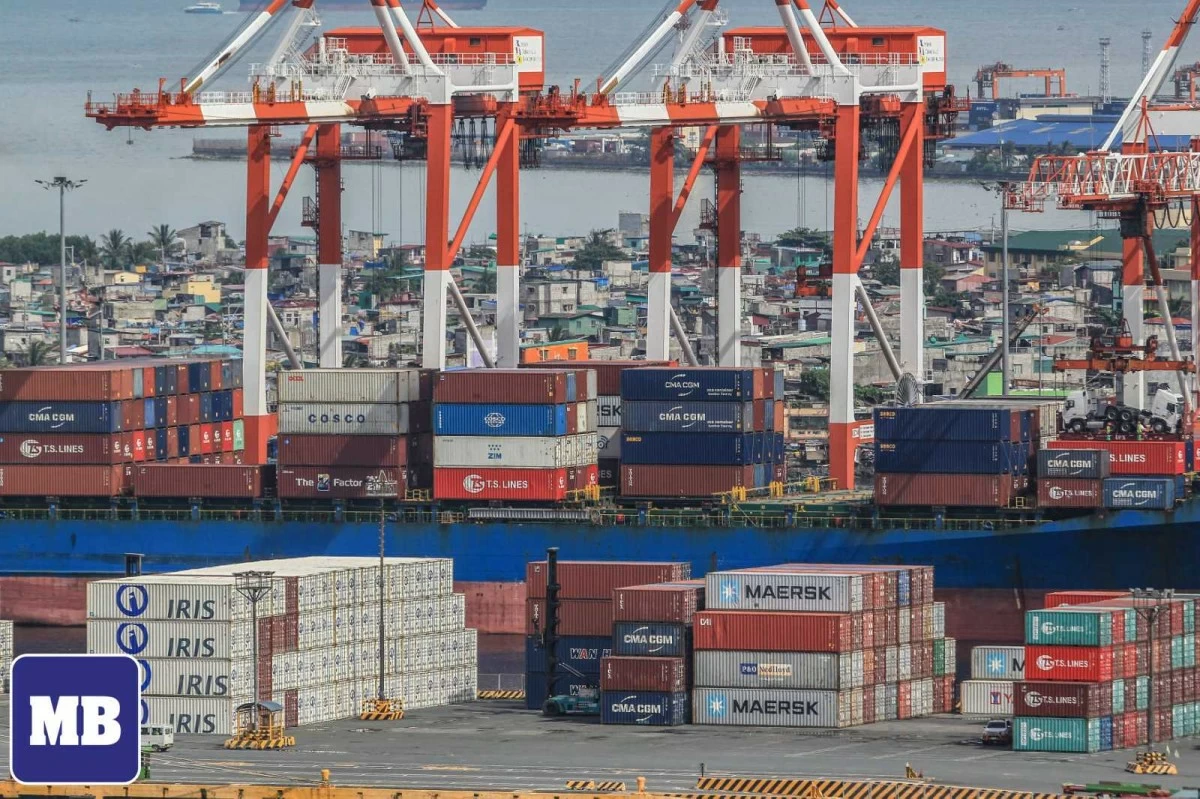
(Manila Bulletin file photo)
The country’s umbrella group of exporters is projecting exports of goods and services this year to reach at least over $116 billion, or the lower end of the government’s revised targets, owing to the upward momentum seen in the latter half of 2025.
Philippine Exporters Confederation Inc. (Philexport) president Sergio Ortiz-Luis Jr. said the group expects the country’s total exports this year to align with the government’s export target of between $116.1 billion and $120.2 billion.
While the higher end of the target will likely be out of reach, Ortiz-Luis said there is a high chance that the country’s exports will meet the lower end.
“Provided that [United States (US) President Donald] Trump does not cause disruptions again, I think it can be met. It’s challenging, but it can be met,” he told Manila Bulletin.
Largely due to the impact of Trump’s reciprocal tariffs last year, the government updated its export goals under the Philippine Export Development Plan (PEDP) to make them more aligned with the current trade environment.
PEDP initially set a much higher export target for the year at $186.7 billion, which is unlikely to be met based on current figures.
The 2025 target was between $110.8 billion and $113.4 billion, much lower than the initial goal of $163.6 billion.
There is strong optimism that the country reached this target last year, especially with the surge in goods exports from August to November.
“Our export performance [over the] four months has really been encouraging amid the generally bearish global demand,” Ortiz-Luis said.
The increase in exports during the period lifted the country’s merchandise exports to $77.4 billion by the end of November 2025, already exceeding the 2024 total of $73.3 billion.
The Department of Trade and Industry (DTI) attributed the growth to sustained demand for electronics, food products, and consumer goods, even amid the US’ imposition of 19-percent tariffs on Philippine goods since August last year.
Ortiz-Luis said the improved showing in the second half of 2025 was primarily due to the continued exemption of electronic products from the tariffs.
He added that tariff exemptions for agricultural products also strengthened demand for the country’s key agricultural commodities, such as coconuts.
Ortiz-Luis expects growth in merchandise exports to continue this year, enough to hit the $116.1-billion mark.
With global demand showing signs of recovery, DTI-Export Marketing Bureau (EMB) Director Bianca Pearl Sykimte said improved market access would propel export expansion this year.
“Coupled with gains in other markets from strategic export development and promotion initiatives, we see continued momentum for food exports and more inclusive growth ahead,” she said in a statement.
Trade Secretary Cristina Roque earlier said the government is aiming to unlock more free trade agreements (FTAs) this year to shield the country from sudden trade shifts and help exporters broaden their reach.