






Manila Bulletin
 Philippines
National
PDEA warns public vs use of drugs extracted from 'Peyote' cactus
Philippines
National
PDEA warns public vs use of drugs extracted from 'Peyote' cactus
Philippines
National
PDEA warns public vs use of drugs extracted from 'Peyote' cactus
PDEA warns public vs use of drugs extracted from 'Peyote' cactus
By Chito Chavez
Published Jan 12, 2026 03:43 pm


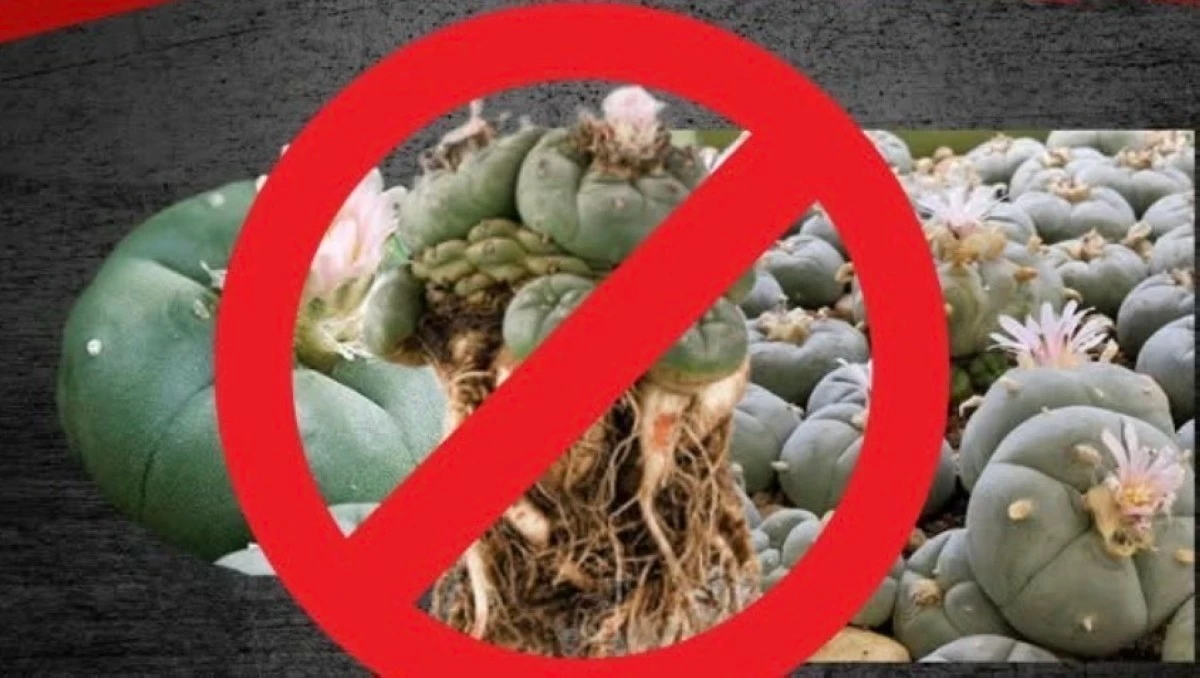
The Philippine Drug Enforcement Agency (PDEA) warned the public on Monday, Jan. 12, on the danger of “mescaline,’’ a hallucinogen found in cactus species “Lophophora Williamsii commonly known as Peyote.’’
In an advisory, the PDEA noted that “mescaline’’ is a dangerous drug listed in the “1971 UN Convention on Psychotropic Substances and Republic Act 9165 or the The Comprehensive Dangerous Drugs Act of 2002.’’
Further, the PDEA stressed that “mescaline,’’ which is naturally present in “Peyote’’ cacti, is controlled due to the adverse effects caused by its administration to the body.
“Lophoporas are a distinct group of cacti characterized by their small, spineless and globular appearance,’’ the PDEA noted.
While there are several species within “Lophophora,’’ the PDEA explained that only one species, “Lophophora Williansii’’ contains “mescaline.’’
Only Lophophora Williamsee that contains mescaline is prohibited by law. Lophophora species that do not contain mescaline are not prohibited,’’ the PDEA maintained.
PDEA said “Williamsii’’ specimens need to undergo laboratory analysis to determine the presence of “mescaline.’’