






Manila Bulletin
 Business
Trade & Industry
IATA warns trade friction threatens airlines' razor-thin margins
Business
Trade & Industry
IATA warns trade friction threatens airlines' razor-thin margins
Business
Trade & Industry
IATA warns trade friction threatens airlines' razor-thin margins
IATA warns trade friction threatens airlines' razor-thin margins
Published Jan 12, 2026 12:00 am
|
Updated Jan 10, 2026 12:51 pm


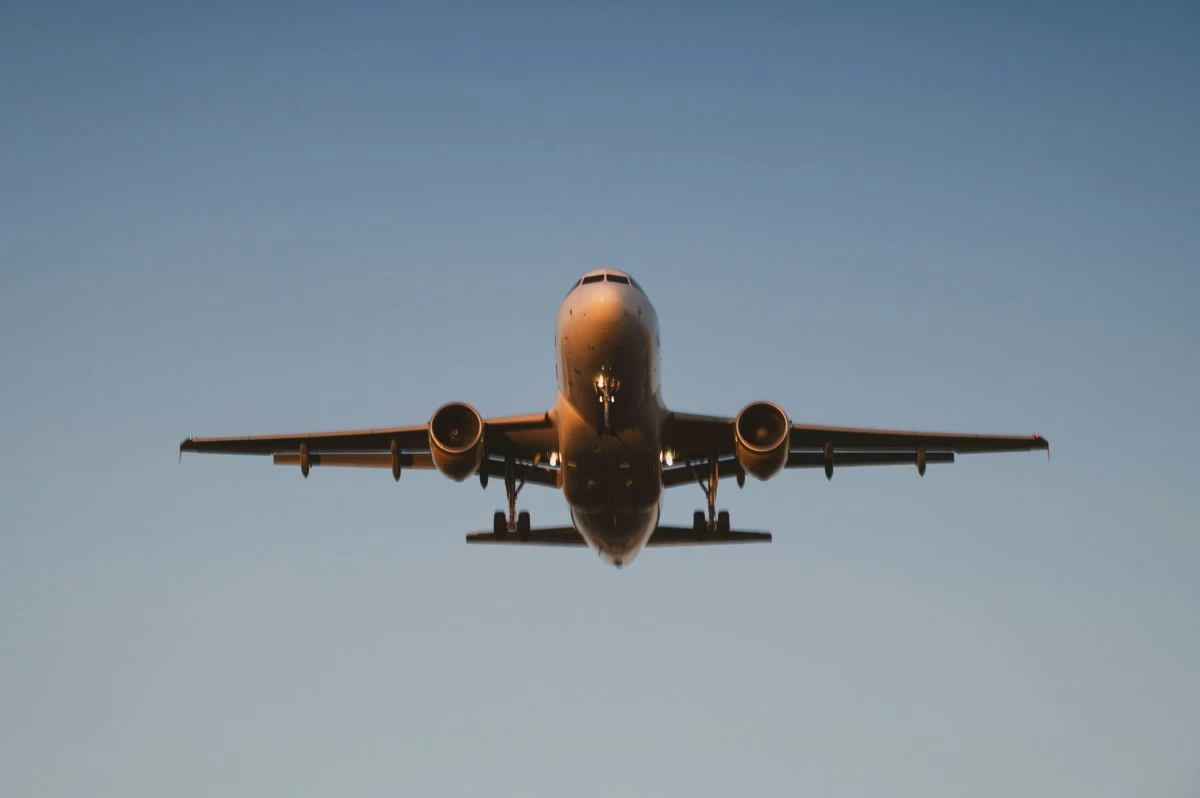
(Pexels)
The fragmentation of decades-long multilateral agreements on global trade is expected to create disruptions that could threaten a potential record year for airlines in terms of earnings, the International Air Transport Association (IATA) said.
IATA projects the global airline industry will grow net income by 3.8 percent to $41 billion this year from last year’s $39.5 billion.
While this would set a new record for airlines, net profit margin is expected to remain unchanged at 3.9 percent, reinforcing its reputation as one of the lowest-margin industries.
“In per-passenger and US (United States) dollar terms, the industry’s anticipated net profit equates to $7.90—below what Apple earns from selling one iPhone cover,” IATA said in its assessment.
With such a tight margin for profit, the IATA said disruptive policy changes would have a consequential impact on airlines, especially as shifts in the global order add to costs from supply chain issues, regulations, and infrastructure constraints that are already weighing on the industry.
The IATA, which represents over 360 airlines worldwide, said that decades of trade liberalization are now being replaced by a more fragmented trade order.
Organizations such as the United Nations (UN) and the World Trade Organization (WTO) are slowly losing relevance on the global stage as countries take a more protectionist route. Just last week, the US withdrew from 66 more international organizations for supposedly running counter to its interests.
IATA said a similar phenomenon is occurring in global aviation, with an increase in national and regional policy initiatives that diverge from the “80 years of global harmonization” set by the UN’s International Civil Aviation Organization (ICAO).
It noted that competing frameworks are being pushed in opposition to ICAO, ranging from setting different parameters for addressing carbon emissions to fragmented taxation policies.
IATA said these policies “introduce competitive distortions and threaten the maintenance of the global network,” ultimately affecting airline operations.
“We find many similarities between the current geopolitical fragmentation and the interwar period (1918-1939), characterized by slowing trade, rising debt, and increased nationalism,” it added.
The industry group said this fragmentation will also slow progress in the transition to clean energy and in addressing climate issues, leading to more climate-related disruptions this year.
As global order breaks down, IATA said airlines would be hampered with high costs, such as in the form of rerouting and airspace closures, for both political and safety reasons.
The macroeconomic outlook will remain an important factor in airline operations this year, particularly with the risk of a severe economic slowdown that currently appears to be “limited.”
“Positive surprises could come in the form of more widespread peace, a successful energy transition that leverages all its multiple avenues for growth, and increased global collaboration and harmonization,” said IATA.
In the Asia-Pacific region, IATA said airlines will bank on robust passenger demand to achieve a profitable year, with revenue expected to reach a combined $6.6 billion, up from last year’s $6.2 billion.
From January to September 2025, low-cost carrier Cebu Pacific saw its net income surge to ₱9.47 billion from ₱3.37 billion in the same period in 2024, driven by higher passenger volume.
Higher passenger traffic also lifted Philippine Airlines’ earnings to ₱9.88 billion in the period, up 22 percent from the prior year’s ₱8.08 billion.