






Manila Bulletin
 Philippines
National
Defense tells ICC Duterte's health has 'seriously deteriorated,' seeks review of detention
Philippines
National
Defense tells ICC Duterte's health has 'seriously deteriorated,' seeks review of detention
Philippines
National
Defense tells ICC Duterte's health has 'seriously deteriorated,' seeks review of detention
Defense tells ICC Duterte's health has 'seriously deteriorated,' seeks review of detention
Published Jan 12, 2026 07:51 am
|
Updated Jan 12, 2026 03:38 pm


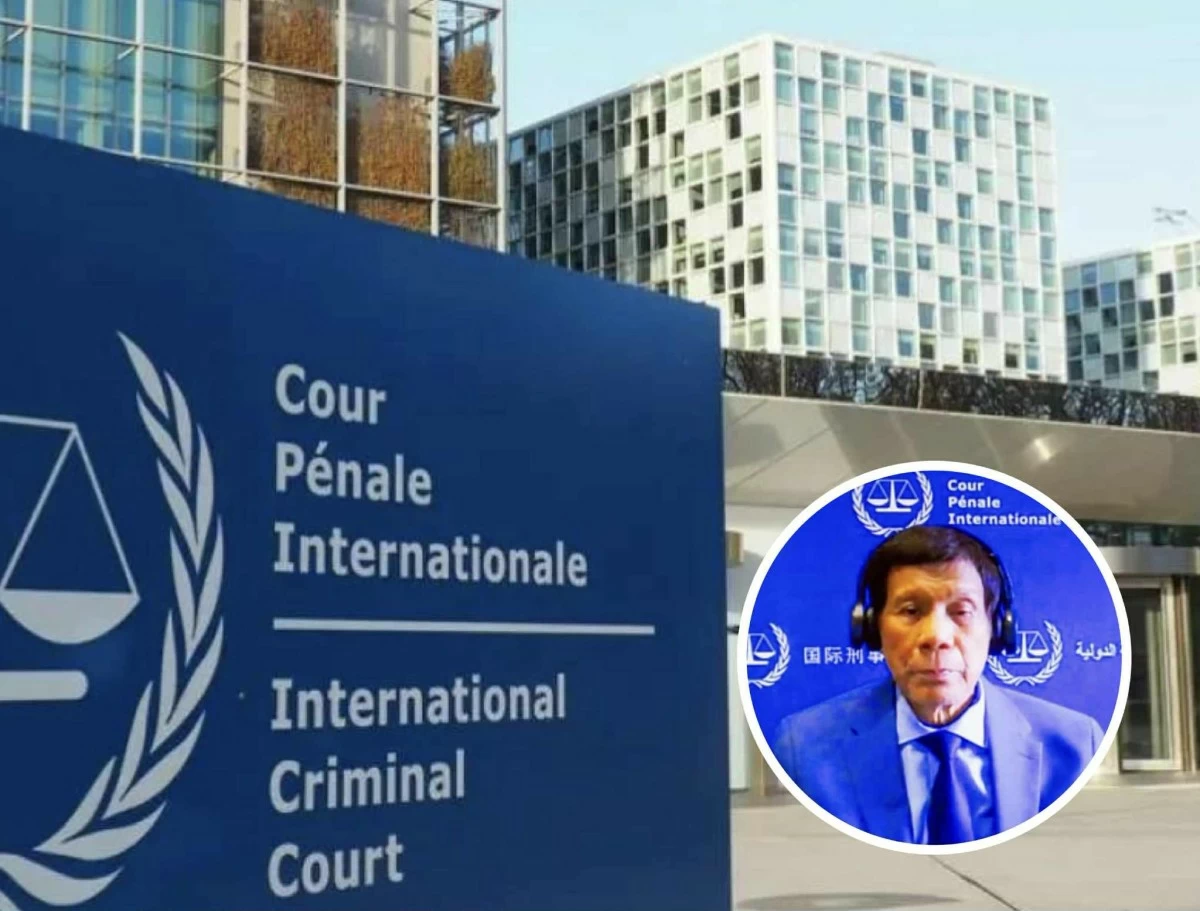
Former president Rodrigo Duterte (ICC Photos)
Lawyers of former president Rodrigo Duterte told the International Criminal Court (ICC) that his physical and cognitive condition has significantly worsened, arguing that continued detention should be reconsidered.
In a filing dated Jan. 9, defense counsel Nicholas Kaufman said Duterte is now “an emaciated, infirm and incapacitated shadow of his former self,” citing daily observations by his lawyers and family.
The defense said “the passage of time has taken a grievous toll” on Duterte’s health, noting that court-appointed experts agreed he is “old, frail, and suffering from ‘unexplained weight loss.’”
They added that Duterte is unable to function daily without constant assistance.
While saying that the request does not address guilt or innocence, Kaufman stressed they seek a periodic review of detention under Article 60(3) of the Rome Statute based on alleged changes in health.
He argued that Duterte’s cognitive condition “constitutes a new fact that must now be considered” in the present review, arguing it was not properly weighed in earlier detention decisions.
Kaufman added that the risks used to justify detention can no longer be realistically actualized, saying those capacities are “clearly compromised or, at a minimum, practically unavailable to him in his current condition.”
On flight risk, the filing said Duterte “lacks executive functioning, sustained planning capacity, rapid decision-making, physical stamina, and the ability to evade supervision.”
The defense also rejected suggestions that Duterte is exaggerating his condition, saying none of the Court-appointed experts concluded that the “underperformance” was deliberate or a result of malingering.
They likewise criticized the prosecution for asserting otherwise, arguing it would be wrong to dismiss Duterte’s impaired functioning as an attempt to “feign illness.”
Kaufman added that Duterte has not appeared in court for about 10 months and argued that due process requires issues tied to his neurological and cognitive condition be “forensically examined with an opportunity for the Defence to clarify, in open court.”
Meanwhile, Kaufman reiterated that an ICC member state has agreed to receive Duterte if released under strict conditions and asked the Chamber to order Duterte’s interim release while proceedings continue.
The Office of the Prosecutor has opposed earlier defense requests related to detention, maintaining that statutory risk factors remain.
The Pre-Trial Chamber has yet to rule on the Jan. 9 filing.
Duterte, arrested in March last year, is facing an ICC case over alleged crimes against humanity linked to the Philippine government’s anti-drug campaign between 2016 and 2019, proceedings that have continued despite the Philippines’ withdrawal from the ICC in 2019. His earlier requests for interim release had been denied by the Pre-Trial Chamber and upheld on appeal.
In December last year, ICC Deputy Prosecutor Mame Mandiaye Niang said the panel concluded that Duterte, while elderly and frail, remains capable of meaningfully exercising his procedural and fair trial rights.